In today’s fast-paced digital world, software is the backbone of every organization. From productivity tools to specialized enterprise applications, businesses depend on software to operate efficiently. However, with the rise in software usage comes the challenge of managing licenses, avoiding compliance risks, and optimizing costs. This is where Software Asset Management becomes essential and becoming a Certified Software Asset Manager can be a career-defining move.
Understanding Software Asset Management (SAM)
Software Asset Management is the process of controlling and optimizing the purchase, deployment, maintenance, utilization, and disposal of software applications within an organization. It ensures that businesses remain compliant with licensing agreements, reduce unnecessary spending, and prevent legal risks.
According to Gartner, organizations that implement strong SAM processes can reduce software costs by up to 30% within the first year. This highlights the importance of having skilled professionals who are trained through software asset management courses and hold the right certifications.
Why Certification Matters
While anyone can work in IT procurement or licensing, being a Certified Software Asset Manager sets you apart. A software asset management certification validates your expertise, proving that you have the skills to handle complex licensing models, vendor audits, and compliance requirements.
Some key Benefits
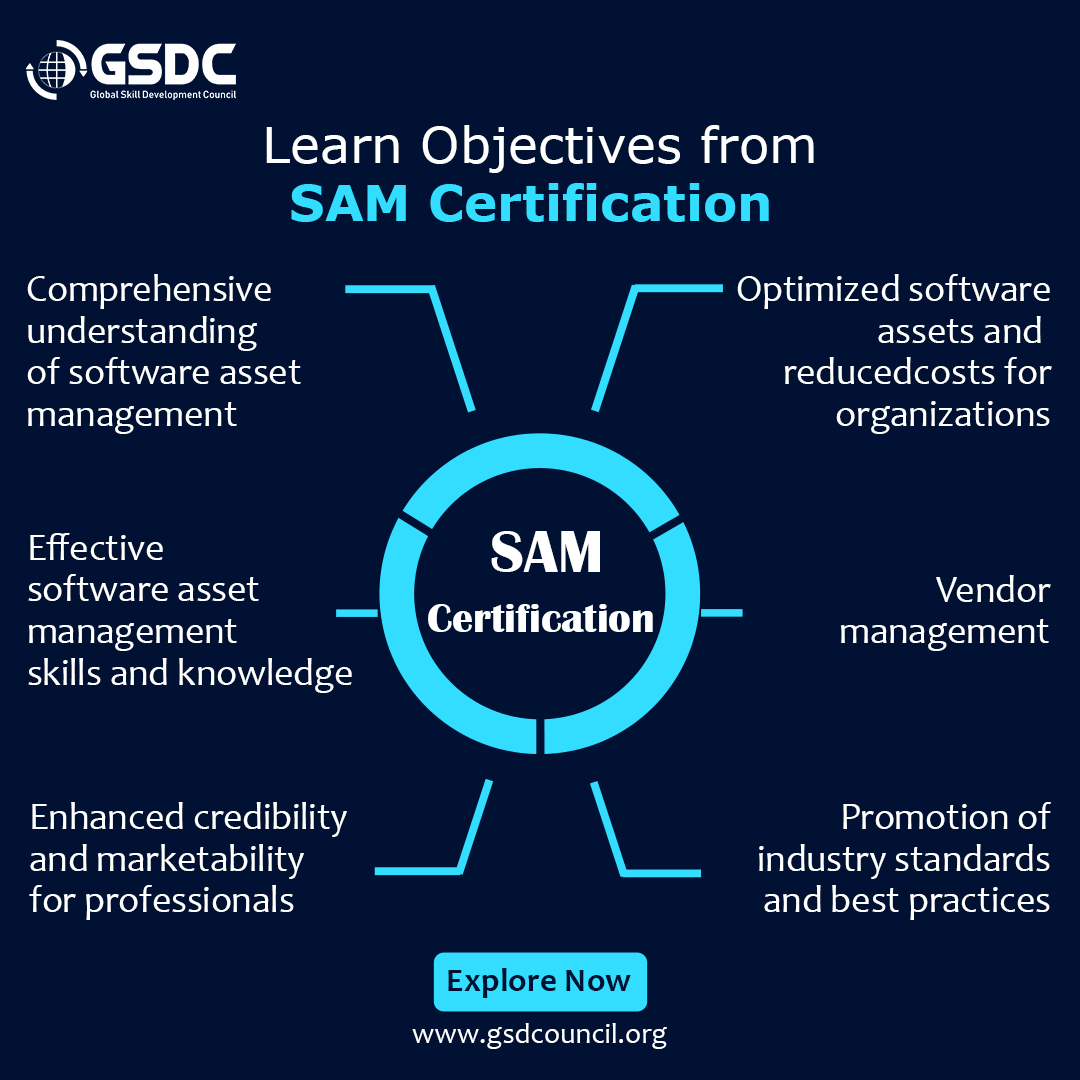
Professional Credibility – Employers value certified professionals for their proven skills and industry-recognized knowledge.
Compliance Expertise – You’ll learn how to navigate complex license agreements and avoid hefty penalties from vendors.
Cost Optimization – Certified managers know how to maximize software investments, preventing over-purchasing or under-utilization.
Career Growth – The demand for SAM professionals is on the rise, with CSAM certification salary packages often exceeding industry averages.
CSAM Certification: A Game-Changer for IT Governance
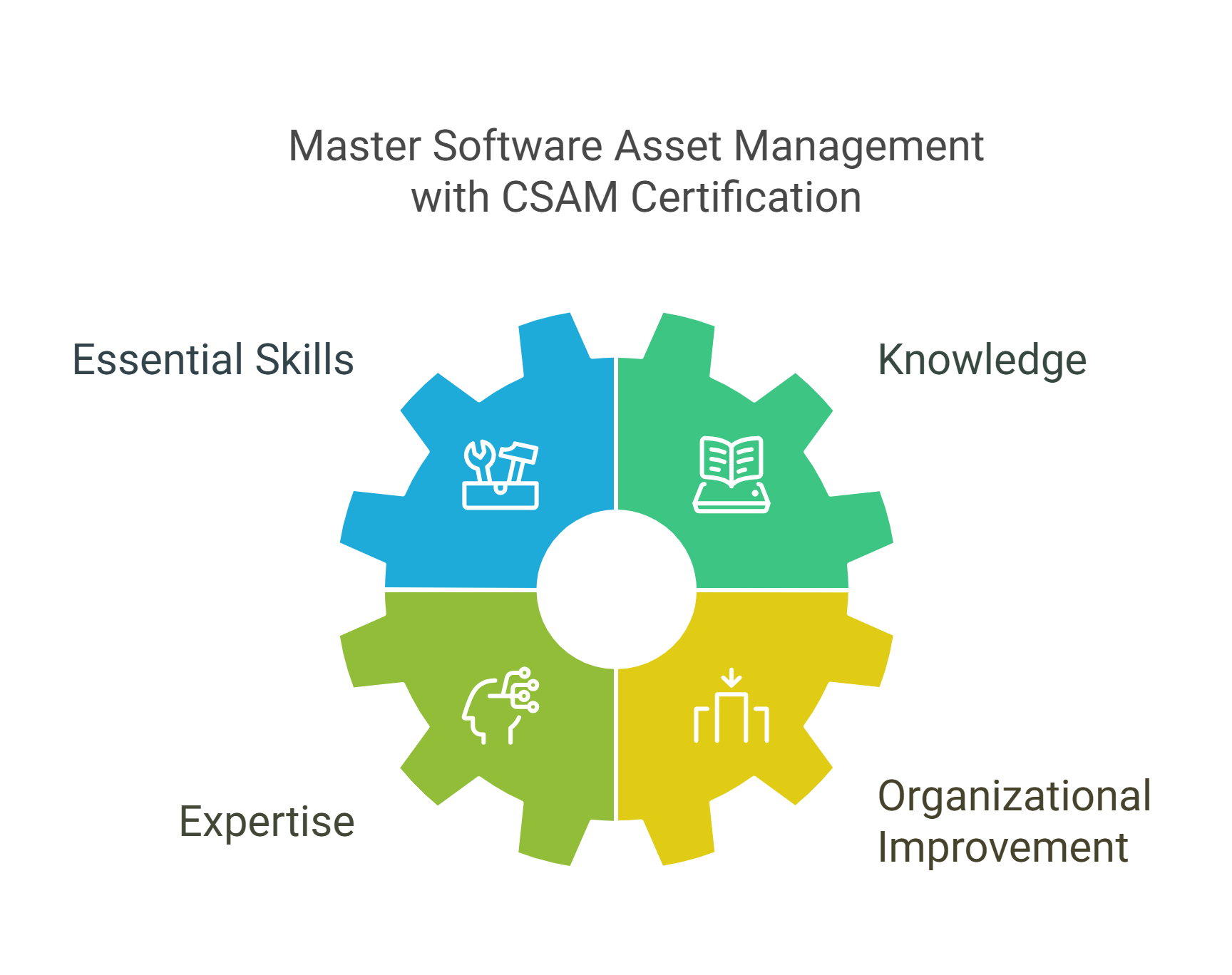
The CSAM certification is one of the most recognized credentials in the field. It covers critical areas such as:
Software license lifecycle management
Audit preparation and risk management
Vendor negotiation strategies
Compliance monitoring and reporting
For organizations, hiring a Certified Software Asset Manager ensures robust IT governance. This means better control over software usage, reduced audit risks, and alignment with corporate compliance policies.
SAM’s Role in Compliance and Risk Reduction
Compliance is no longer optional non-compliance can lead to legal action, damaged reputation, and financial losses. According to a 2023 Flexera report, 56% of organizations faced unexpected software audit penalties in the past three years, costing some millions in fines.
A software asset manager certification equips professionals with the skills to:
Track and document software usage in real time
Ensure licenses match the organization’s needs and agreements
Prepare for and successfully navigate vendor audits
Identify security risks associated with unlicensed or outdated software
This not only safeguards the organization from penalties but also strengthens its overall IT governance framework.
Career Opportunities and Salary Potential
The global SAM market is projected to reach $5.1 billion by 2030 , creating more job opportunities for certified professionals.
Software Asset Manager
IT Asset Management Analyst
Licensing Compliance Specialist
SAM Consultant
When it comes to earnings, the CSAM certification salary can be significantly higher than non-certified counterparts. Certified professionals are often offered leadership positions in IT governance, procurement, and compliance teams.