Hello there! Let’s Talk About Skin, Age, and the Gentler Side of Cancer Care...It often starts with something tiny. A dry spot. A small bump. Just a patch of skin that looks “off.” Not painful, nothing... But it sticks around longer than expected.
And then comes that visit to the dermatologist, the waiting, and the diagnosis. SKIN CANCER. That word hits hard, especially later in life. Questions start piling up. What happens next? Is surgery the only way? Will it hurt? Will it heal okay?
That’s where superficial radiation therapy for skin cancer enters the conversation — quiet, non-surgical, and kind to the skin. But is it really safe, especially for older adults? In this article, you're going to learn exactly about this situation.
What is Superficial Radiation Therapy?
Superficial Radiation Therapy — or just SRT — is a gentle form of radiation used to treat certain types of skin cancer. It is not the type of radiation that produces sickness or fatigue in individuals. It is only on the top layers of skin, which is exactly where skin cancer typically forms.
No needles. No cutting. No stitches. Just carefully targeted energy that works to destroy cancer cells over a series of short sessions.
For older adults, this matters. The skin is thinner. Healing takes longer. And the body may not bounce back from surgery like it used to. That’s why SRT is often seen as a safe and smart option for aging skin.
Why SRT Often Makes Sense as You Get Older?
As you get older, your body asks for a little more care... especially when it comes to your health decisions. Surgery might feel like too much. There’s anesthesia, stitches, the risk of infection, and time spent resting and healing.
With SRT, you skip all that.
The treatment happens right inside the doctor's office. The whole thing barely lasts a few minutes, and once it is over, you can very well continue with your day-to-day activities. No bandages are needed, no bleeding occurs, and there is no time for recovery.
If you’re worried your skin might be too sensitive or thin, don’t be. In many cases, SRT is actually gentler on aging skin than surgery.
What It Actually Feels Like?
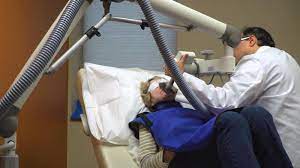
You sit in a chair. A small machine is aimed directly at the spot on your skin. For a few minutes, the device sends out a low-energy beam. You don’t feel anything sharp or hot. Then it's done.
Most people say it is easy and stress-free, though it may get a little red or dry after a period. It is something like a minor sunburn, but usually, it settles down with some care.
This process is repeated a few times a week for several weeks, depending on the size and depth of the skin cancer. But there’s no hospital bed, no long recovery, and no waiting for wounds to close
What About Other Skin Concerns?
While you're already focused on your skin, it’s common to start noticing other things, like warts. If you’ve found yourself Googling wart removal near me, you're not alone. Though SRT isn’t used for warts, it's a good idea to have a full skin check when visiting a dermatologist. Your skin has stories to tell — and the sooner those stories are deciphered, the better they are to control them.
Skin care, regardless of age, is crucial, but increasingly so as we mature. Every little bit counts.
Does It Work Long-Term?
Yes! Especially for non-melanoma skin cancers like basal and squamous cell carcinoma. These cancers respond very well to SRT. Once treatment is complete, most patients see great cosmetic results and don’t have to worry about surgical scars.
Of course, routine skin checks should continue. Skin cancer can return — even on previously treated spots — but the goal of SRT is to reduce that risk while being as gentle on the body as possible.
The Final Word
Superficial radiation therapy for skin cancer offers a safe, non-invasive path... especially for older adults who want effective care without the stress of surgery. It’s quiet, targeted, and kind to aging skin.
If you’ve been wondering whether there’s a better way to treat skin cancer later in life, this might be it. Less pain. More peace of mind. And a reminder that the right treatment doesn’t have to be the hardest one.
Your skin deserves that choice. And so do you.
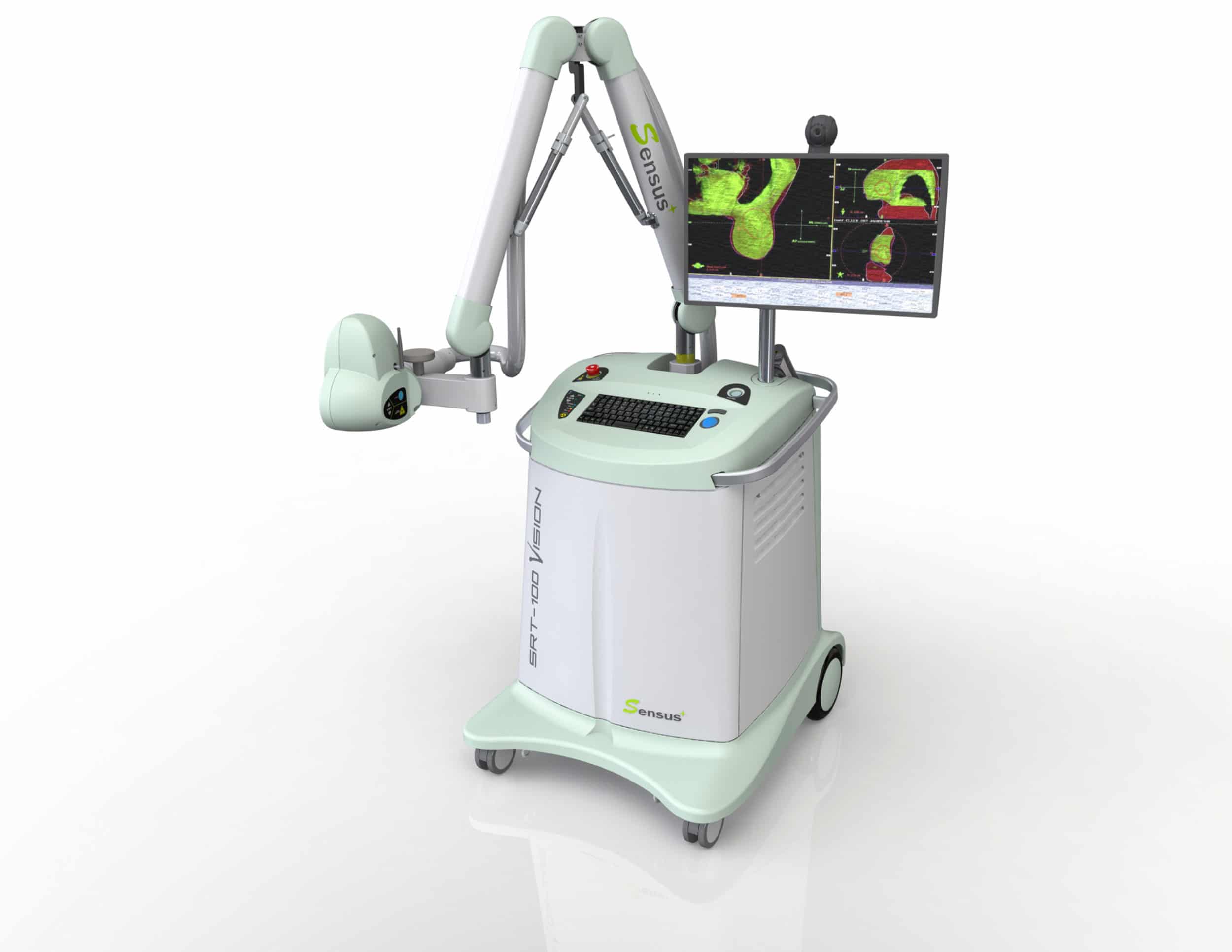
The Superficial Radiation Therapy System Market research report provides the latest industry data, growth, key segments and future trends on the basis of the detailed study.
This market report also allows you to identify the future opportunity and growth rate of the leading segment based on regions and countries.The research report also covers the comprehensive profiles of the key players in the market and an in-depth view of the competitive landscape worldwide.
The major players in the superficial radiation therapy system market include Sensus Healthcare, Xstrahl Limited and Others.
This section includes a holistic view of the competitive landscape that includes various strategic developments such as key mergers & acquisitions, future capacities, partnerships, financial overviews, collaborations, new product developments, new product launches, and other developments.Get more information on "Global Superficial Radiation Therapy System Market Research Report" by requesting FREE Sample Copy athttps://www.valuemarketresearch.com/contact/superficial-radiation-therapy-system-market/download-sampleMarket DynamicsThe rising prevalence of skin cancer, across the globe, is primarily driving the market growth.
Superficial radiation therapy enables effective treatment with minimum postoperative complications is also boosting the market growth.
Along with this, ongoing R and rising efforts of major players for increasing the production capacity is expected to create potential demand over the forecast period.The report covers Porter’s Five Forces Model, Market Attractiveness Analysis and Value Chain analysis.