





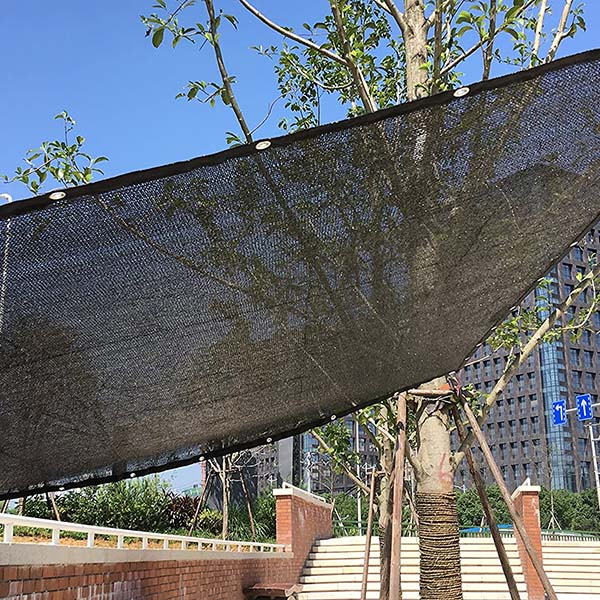
In today’s rapidly evolving agricultural landscape, maximizing crop yield while maintaining sustainability is more crucial than ever. Farmers and agribusinesses are constantly seeking innovative solutions to protect their crops from harsh environmental conditions, pests, and diseases. One such solution that has gained significant traction in recent years is the use of Agricultural Shade Nets. At Qingdao Agrishade Mesh Co., Ltd., we understand the challenges faced by modern farmers and are committed to providing high-quality shade netting solutions that not only protect crops but also enhance productivity.
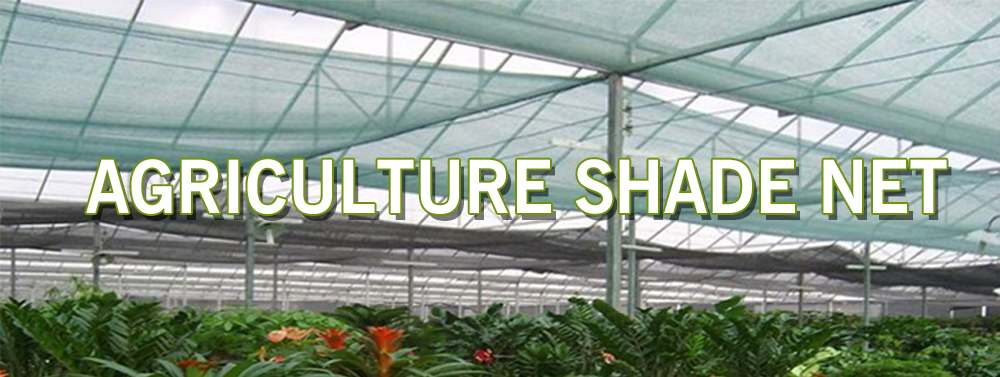
Agricultural Shade Nets are specially designed mesh fabrics that offer a controlled environment for crops by regulating sunlight, temperature, and humidity. These nets act as a protective barrier, shielding plants from excessive sunlight, wind, hail, and even certain pests. As a result, they play a pivotal role in improving crop quality and yield, making them an indispensable tool for both small-scale and commercial farmers.

Moreover, with the increasing unpredictability of weather patterns due to climate change, the need for reliable crop protection methods has never been greater. Transitioning to the use of Agricultural Shade Nets can be a game-changer for your farm, ensuring that your crops receive optimal growing conditions throughout the year.
What Are Agricultural Shade Nets?
Agricultural Shade Nets are woven or knitted mesh fabrics made from high-density polyethylene (HDPE) or similar materials. They are designed to provide partial shade to crops, reducing the intensity of sunlight and creating a microclimate that is conducive to plant growth. These nets come in various shading percentages, typically ranging from 30% to 90%, allowing farmers to select the appropriate level of protection based on the specific requirements of their crops.
The primary function of Agricultural Shade Nets is to filter sunlight, thereby preventing heat stress and sunburn in plants. Additionally, they help in conserving soil moisture, reducing wind damage, and minimizing the impact of heavy rainfall or hail. By creating a more stable and controlled environment, shade nets enable crops to thrive even under challenging weather conditions.
The Science Behind Shade Netting
Understanding the science behind Agricultural Shade Nets is essential for maximizing their benefits. Plants require sunlight for photosynthesis, but excessive exposure to direct sunlight can lead to heat stress, dehydration, and reduced growth rates. Shade nets work by diffusing sunlight, lowering the temperature around the plants, and reducing the risk of sunburn.
Furthermore, shade nets help in maintaining optimal humidity levels, which is particularly beneficial for crops that are sensitive to dry conditions. By reducing evaporation, these nets ensure that soil moisture is retained for longer periods, promoting healthy root development and overall plant vigor.
Research has shown that crops grown under shade nets exhibit improved physiological characteristics, such as higher chlorophyll content, better leaf expansion, and increased fruit set. This translates to higher yields and better-quality produce, making shade nets a valuable investment for any agricultural operation.

Key Benefits of Agricultural Shade Nets
The adoption of Agricultural Shade Nets offers a multitude of benefits, including:
- Enhanced Crop Yield: By providing a controlled environment, shade nets enable crops to grow more vigorously, resulting in higher yields.
- Improved Crop Quality: Shade nets protect crops from sunburn, wind damage, and pests, leading to better-quality produce.
- Water Conservation: Reduced evaporation means less frequent irrigation, saving water and reducing costs.
- Pest and Disease Control: Shade nets act as a physical barrier against insects and birds, minimizing the need for chemical pesticides.
- Extended Growing Seasons: By mitigating the effects of extreme weather, shade nets allow for year-round cultivation of certain crops.
- Energy Efficiency: Lower temperatures under the nets reduce the need for additional cooling measures in greenhouses or nurseries.
Also Read: Top 7 Popular Applications for Agricultural Shade Nets
Types of Agricultural Shade Nets
There are several types of Agricultural Shade Nets available, each designed for specific applications:
- Monofilament Shade Nets: Made from single strands of HDPE, these nets are durable and provide excellent UV protection.
- Tape Shade Nets: Constructed from flat tapes, these nets offer good shading and are cost-effective.
- Colored Shade Nets: Available in various colors (green, black, white, etc.), each color offers different light diffusion properties and is suited for specific crops.
- Anti-Insect Nets: Finer mesh nets that provide protection against small insects and pests.
Selecting the right type of shade net is crucial for achieving the desired results. Factors such as crop type, local climate, and intended use should be considered when making a choice.
How to Choose the Right Shade Net for Your Crops
Choosing the appropriate Agricultural Shade Net involves several considerations:
- Shading Percentage: Different crops require different levels of shade. For example, leafy vegetables may thrive under 50% shade, while fruiting crops may need only 30%.
- Color: Green nets are commonly used for general purposes, while white nets are preferred for nurseries and ornamental plants due to their superior light diffusion.
- Material Quality: High-quality HDPE nets with UV stabilizers ensure longevity and consistent performance.
- Mesh Size: Finer meshes offer better protection against insects but may reduce airflow.
Consulting with experts at Qingdao Agrishade Mesh Co., Ltd. can help you determine the best shade net for your specific needs.

Installation Tips and Best Practices
Proper installation of Agricultural Shade Nets is essential for maximizing their effectiveness. Here are some best practices:
- Secure Anchoring: Ensure that the nets are firmly anchored to prevent damage from strong winds.
- Adequate Tension: Maintain the right tension to avoid sagging, which can reduce shading efficiency.
- Regular Maintenance: Inspect the nets periodically for tears or damage and repair them promptly.
- Proper Height: Install the nets at an appropriate height to allow for adequate air circulation and ease of access.
Following these guidelines will help you get the most out of your shade net investment.
Real-World Success Stories
Many farmers around the world have experienced remarkable improvements in crop yield and quality after adopting Agricultural Shade Nets. For instance, a tomato grower in southern China reported a 30% increase in yield and a significant reduction in pest infestations after installing shade nets from Qingdao Agrishade Mesh Co., Ltd. Similarly, a flower nursery in India saw improved flower color and size, leading to higher market prices.
These success stories highlight the transformative potential of shade netting in modern agriculture.

Agricultural Shade Nets represent a smart,sustainable, and cost-effective solution for boosting crop yield and quality. By providing a controlled environment, these nets help mitigate the challenges posed by extreme weather, pests, and water scarcity. Whether you are a smallholder farmer or manage a large commercial operation, investing in high-quality shade nets from Qingdao Agrishade Mesh Co., Ltd. can transform your agricultural practices and lead to greater productivity and profitability.
Frequently Asked Questions (FAQ)
Q1: What crops benefit the most from Agricultural Shade Nets?
A: A wide range of crops can benefit, including vegetables (lettuce, spinach, tomatoes), fruits (strawberries, grapes), flowers, and ornamental plants. The key is to match the shading percentage to the crop’s specific needs.
Q2: How long do Agricultural Shade Nets last?
A: High-quality shade nets from Qingdao Agrishade Mesh Co., Ltd. are designed to last 5-7 years or more, depending on environmental conditions and maintenance.
Q3: Can shade nets be used in open fields?
A: Yes, shade nets can be installed in open fields, greenhouses, nurseries, and even over livestock areas to provide protection from the sun.
Q4: Do Agricultural Shade Nets reduce the need for pesticides?
A: Yes, by acting as a physical barrier, shade nets can significantly reduce pest infestations, thereby lowering the reliance on chemical pesticides.
Q5: Are there any disadvantages to using shade nets?
A: If not properly selected or installed, shade nets can reduce light levels too much, potentially affecting crop growth. It’s important to choose the right shading percentage and ensure proper installation.
Q6: How do I clean and maintain my shade nets?
A: Regularly inspect for debris, dust, or damage. Clean with water and mild soap if necessary, and repair any tears promptly to maintain effectiveness.
Q7: Can shade nets be customized for specific requirements?
A: Absolutely! Qingdao Agrishade Mesh Co., Ltd. offers customized solutions tailored to your crop, climate, and farm layout.
9. Why Choose Qingdao Agrishade Mesh Co., Ltd.?
At Qingdao Agrishade Mesh Co., Ltd., we pride ourselves on delivering top-quality Agricultural Shade Nets that are engineered for durability, performance, and value. Our products are manufactured using advanced technology and undergo rigorous quality control to ensure they meet the highest standards. We offer a wide range of shading percentages, colors, and mesh sizes to suit every agricultural application.
Moreover, our team of experts is always available to provide guidance on product selection, installation, and maintenance, ensuring that you achieve the best possible results. With a commitment to customer satisfaction and sustainable agriculture, Qingdao Agrishade Mesh Co., Ltd. is your trusted partner in crop protection and yield enhancement.
We are Leading Suppliers And Manufacturers Providing Solutions For Fisheries, Aquaculture, Shipping And Industrial.
Buy Ropes, Fishing Net,Shade Net, Safety Net, Tarpaulins and Insect Net Online With 100% Quality Assurance.