


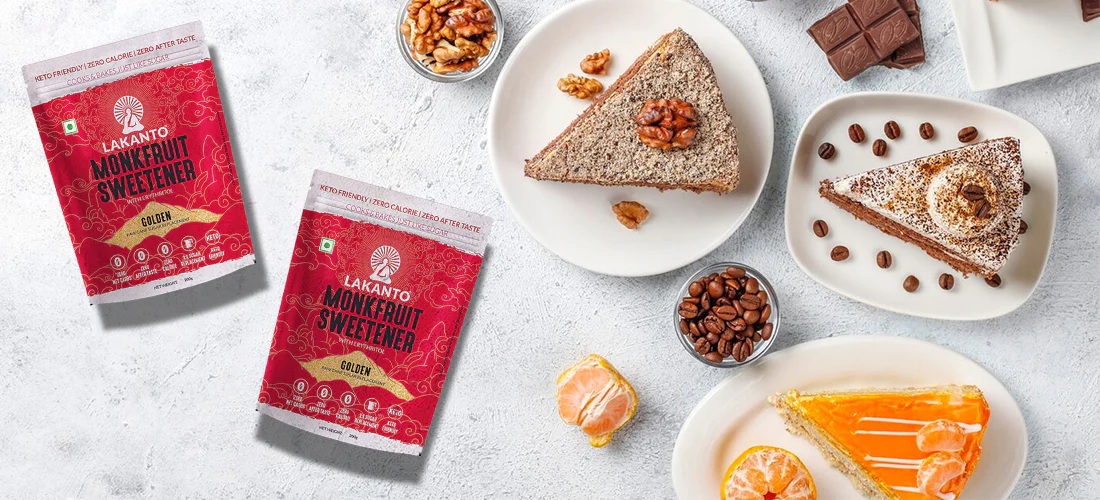
In today’s health-conscious world, the demand for natural, low-calorie sugar alternatives is growing rapidly. From fitness enthusiasts to people managing diabetes, many are seeking sweeteners that provide flavor without the harmful effects of refined sugar. Among the many substitutes available, Lakanto Monk Fruit Sweetener has gained remarkable popularity. But how does monk fruit sweetener compare to other sugar substitutes such as stevia, aspartame, or sucralose? Let’s explore what sets it apart and why it is becoming a preferred choice for many.
What Is Monk Fruit Sweetener?
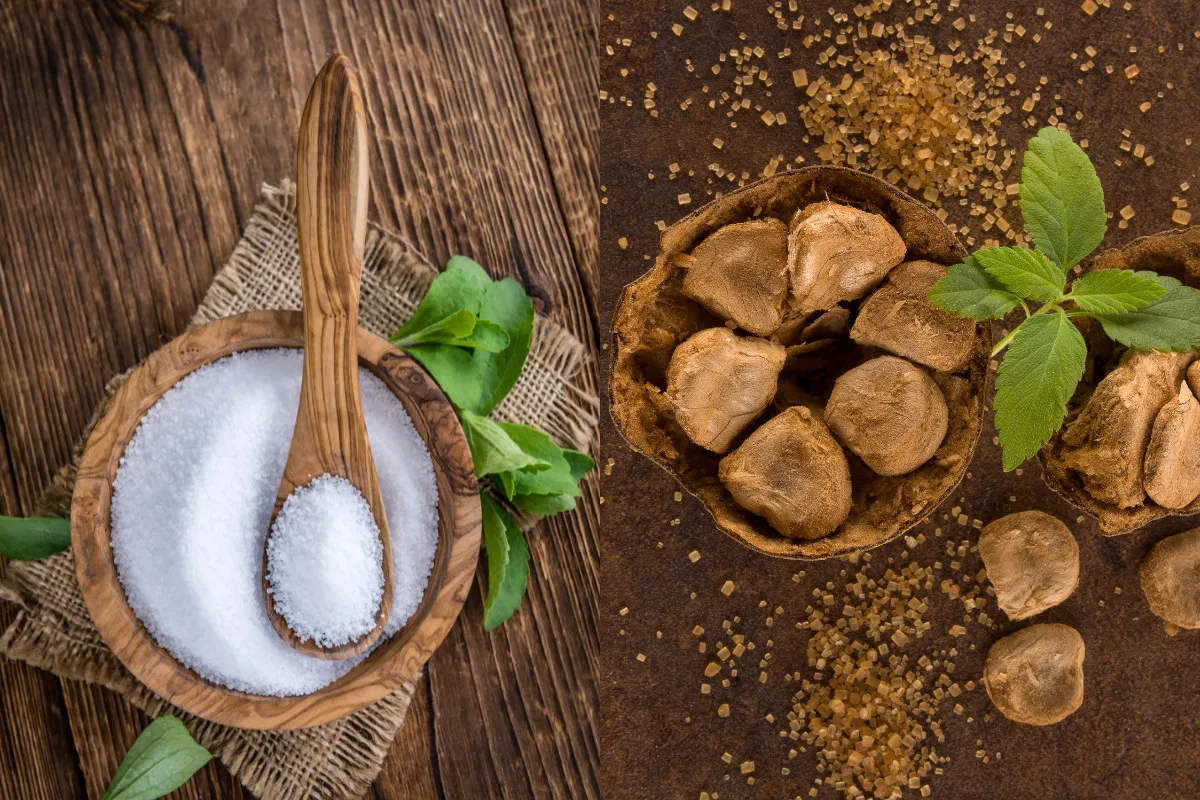
Monk fruit, also known as luo han guo, is a small green gourd native to Southeast Asia. Its extract contains powerful antioxidants called mogrosides, which are naturally sweet yet calorie-free. Unlike many artificial sweeteners, monk fruit is derived from a natural source and has been used in traditional Chinese medicine for centuries. Brands like Lakanto Monk Fruit Sweetener blend monk fruit extract with non-GMO erythritol to provide a taste and texture almost identical to sugar.
Comparing Monk Fruit with Other Sugar Substitutes
Monk Fruit vs. Stevia
Stevia is another plant-based sweetener widely used around the globe. While both monk fruit and stevia are natural and calorie-free, many people find monk fruit to have a cleaner, smoother sweetness. Stevia can sometimes leave a bitter or metallic aftertaste, which discourages some users. Lakanto Monk Fruit Sweetener is known for its sugar-like taste, making it a more versatile choice for cooking, baking, and beverages.
Monk Fruit vs. Aspartame
Aspartame is a widely used artificial sweetener found in diet sodas and packaged foods. While it is low-calorie, it has been surrounded by controversy regarding potential health risks and side effects. Additionally, aspartame is not heat-stable, meaning it loses sweetness when exposed to high temperatures. In contrast, monk fruit is heat-stable, safe for baking, and does not carry the same concerns about long-term consumption.
Monk Fruit vs. Sucralose
Sucralose (commonly sold as Splenda) is another popular artificial sweetener. It is heat-stable and versatile but often criticized for being chemically processed. Some studies also suggest that it may affect gut health when consumed in large amounts. Monk fruit, however, is naturally derived and does not impact gut microbiota negatively, making it a cleaner and healthier option.
Monk Fruit vs. Sugar Alcohols
Sugar alcohols like xylitol, sorbitol, and erythritol are commonly used in low-calorie foods. While erythritol is generally well-tolerated, other sugar alcohols can cause digestive discomfort such as bloating or gas. Since Lakanto Monk Fruit Sweetener is blended with erythritol (the most gut-friendly sugar alcohol), it provides sweetness without the digestive side effects often associated with other alternatives.
Why Choose Lakanto Monk Fruit Sweetener?
What sets Lakanto Monk Fruit Sweetener apart is its perfect balance of taste, texture, and health benefits. Unlike many sugar substitutes, it doesn’t have an unpleasant aftertaste, making it suitable for everyday use in coffee, tea, smoothies, and desserts. Additionally:
Zero calories and carbs – Perfect for those on keto or low-carb diets.
Diabetes-friendly – Does not spike blood sugar or insulin levels.
Versatile – Can be used in baking, cooking, and beverages without losing sweetness.
Natural origin – Made from monk fruit, it is free from harmful additives.
When comparing monk fruit sweetener with other sugar substitutes, its natural origin, clean taste, and health-friendly profile make it truly unique. While artificial sweeteners like aspartame or sucralose may come with concerns, and even natural alternatives like stevia sometimes leave an aftertaste, monk fruit offers a sweet, worry-free experience. With brands like Lakanto Monk Fruit Sweetener, consumers can enjoy the sweetness they crave while staying aligned with their wellness goals.
By choosing monk fruit, you’re not just replacing sugar—you’re making a healthier lifestyle choice that doesn’t compromise on taste.



AMA Research have added latest edition of survey study on Global Monk Fruit Sugar Market with 100+ market data Tables, Pie Chat, Graphs & Figures spread through Pages and easy to understand detailed analysis.
The Research report presents a complete assessment of the Market and contains a future trend, current growth factors, attentive opinions, facts, and industry validated market data.
Monk fruit sugar is broadly recognized as an advanced means for sweetening food products free of any side-effect of conventional sugar and sugar substitutes.
It bears a zero-glycemic index, zero calorie content and essential antioxidants.
The aforementioned factors are likely to increase the acceptance for the product among the consumers in the near future.
It is primarily environment-friendly and produced without the use of any synthetic substances.