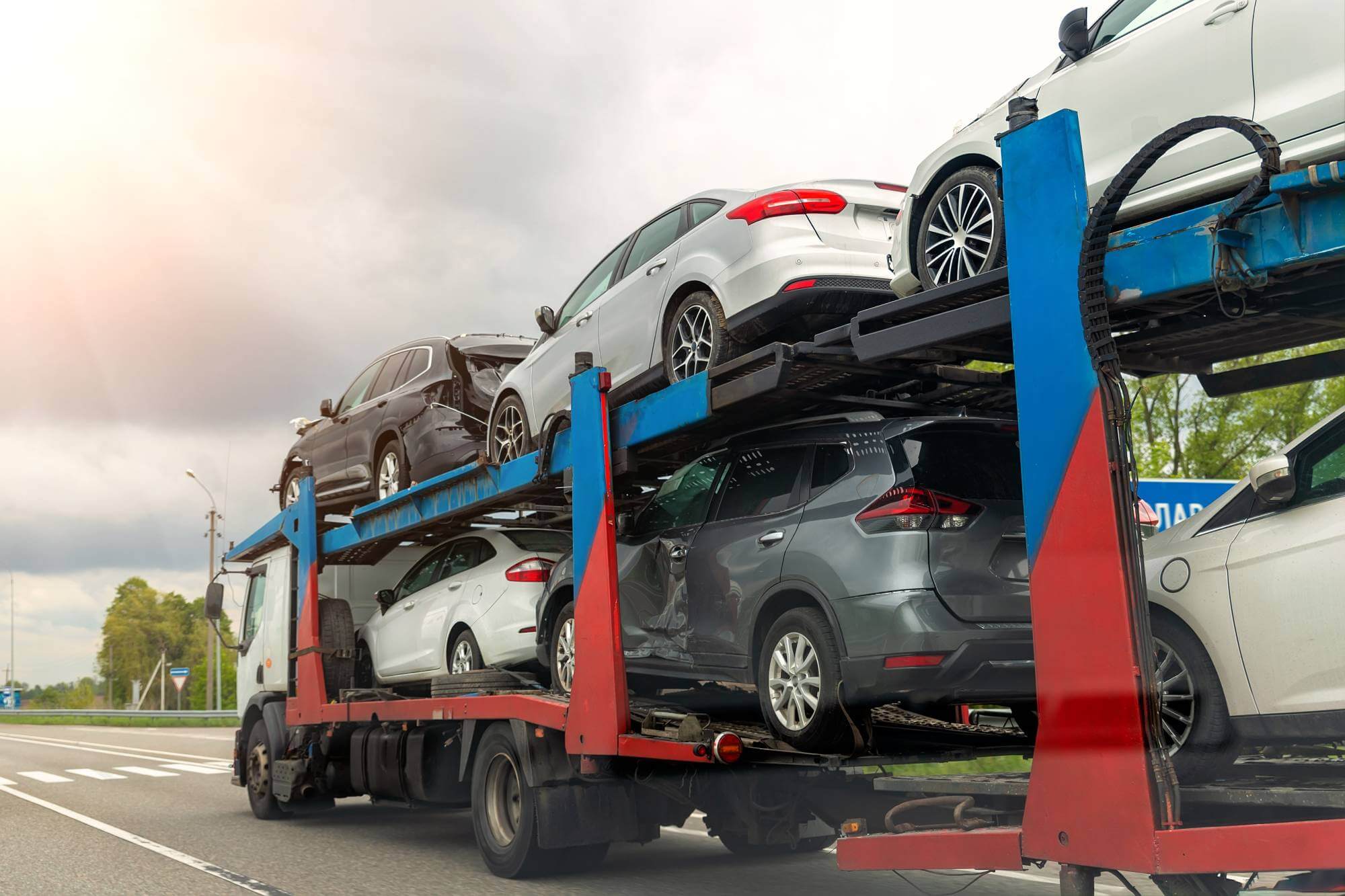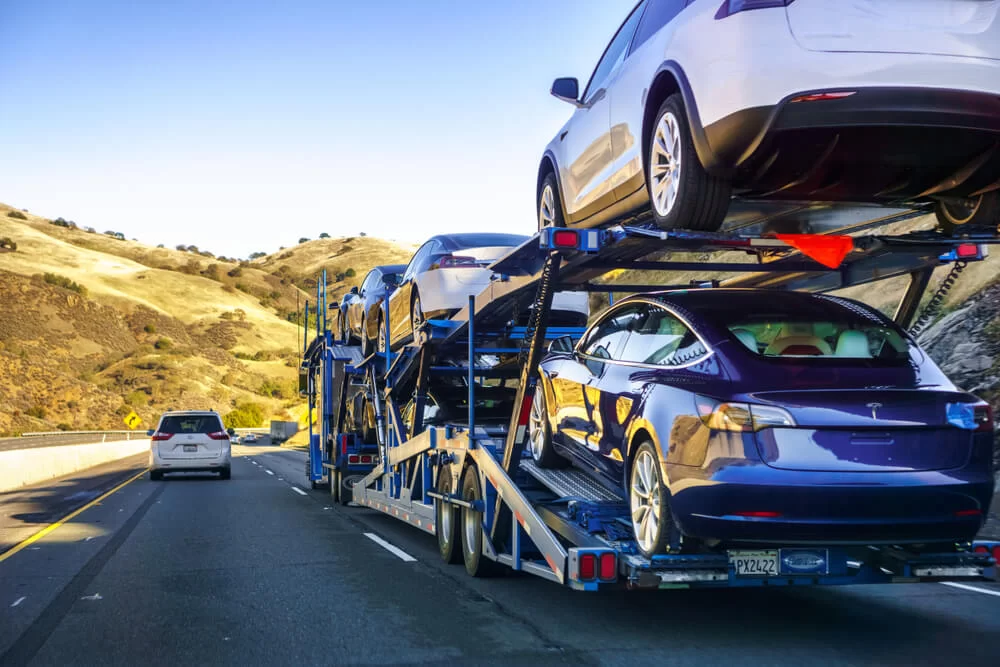



Transporting a car over long distances can be done either by driving it yourself or using a professional car shipping service. While both options get your vehicle to its destination, they have different environmental impacts. Understanding these differences can help you make a more eco-friendly choice.
Fuel Consumption Differences
Driving a car long distances consumes fuel directly from the vehicle, which contributes to greenhouse gas emissions. When shipping multiple cars on a carrier, fuel consumption per vehicle is often lower. Carriers transport several vehicles at once, spreading the fuel used across multiple cars, which reduces the per-car carbon footprint compared to each car making the trip individually.
Emissions from Transport Vehicles
Professional car carriers are typically larger trucks or trailers that run on diesel engines. While these trucks produce emissions, they are designed to efficiently transport multiple vehicles at once. By contrast, if each car drives individually, the total emissions from multiple vehicles can exceed those of a single transport carrier, especially over long distances.
Traffic and Road Wear Considerations
Driving long distances contributes to traffic congestion and road wear. More cars on the road increase fuel consumption and emissions due to stop-and-go traffic. Car transport companies often plan efficient routes and consolidate shipments to minimize unnecessary trips, reducing both traffic impact and road maintenance demands.

Energy Efficiency of Shipping Multiple Vehicles
Shipping companies optimize trailer loading to transport as many vehicles as possible without compromising safety. This high efficiency means that the total energy consumed per vehicle is lower than if each car were driven separately. For families or businesses moving several vehicles, this makes car transport a more environmentally responsible option.
Potential for Eco-Friendly Practices
Some car transport companies are adopting greener technologies, such as fuel-efficient trucks, route optimization software, and reduced idling practices. These measures further reduce the environmental impact of shipping. Drivers and companies that follow these practices contribute less pollution compared to individual cars driving long distances.
Indirect Environmental Benefits
Using car transport can indirectly reduce emissions by avoiding the need for multiple drivers to take long trips, which also decreases the chance of accidents and traffic delays. Additionally, professional carriers often adhere to maintenance schedules that keep trucks running efficiently, further reducing emissions compared to vehicles that might not be as well-maintained on long road trips.
Making the Right Choice
If you are moving a single vehicle a short distance, driving may have a minimal environmental impact. However, for long-distance moves or multiple cars, professional car transport is generally more eco-friendly. Choosing a company that prioritizes fuel efficiency and route optimization can further lower your carbon footprint.
Conclusion
Car shipping and driving both affect the environment, but car transport often has a lower per-vehicle impact, especially over long distances or when transporting multiple cars. By understanding fuel consumption, emissions, and efficiency factors, you can make a choice that benefits both your schedule and the planet.
Website: https://cartransporttexas.com/
Contact Information
Car Transport Texas
Address: 1377 Sterrett St, Houston, TX 77002
Phone: +17132319158
Email: cartransporttexas@gmail.com
External Links:-