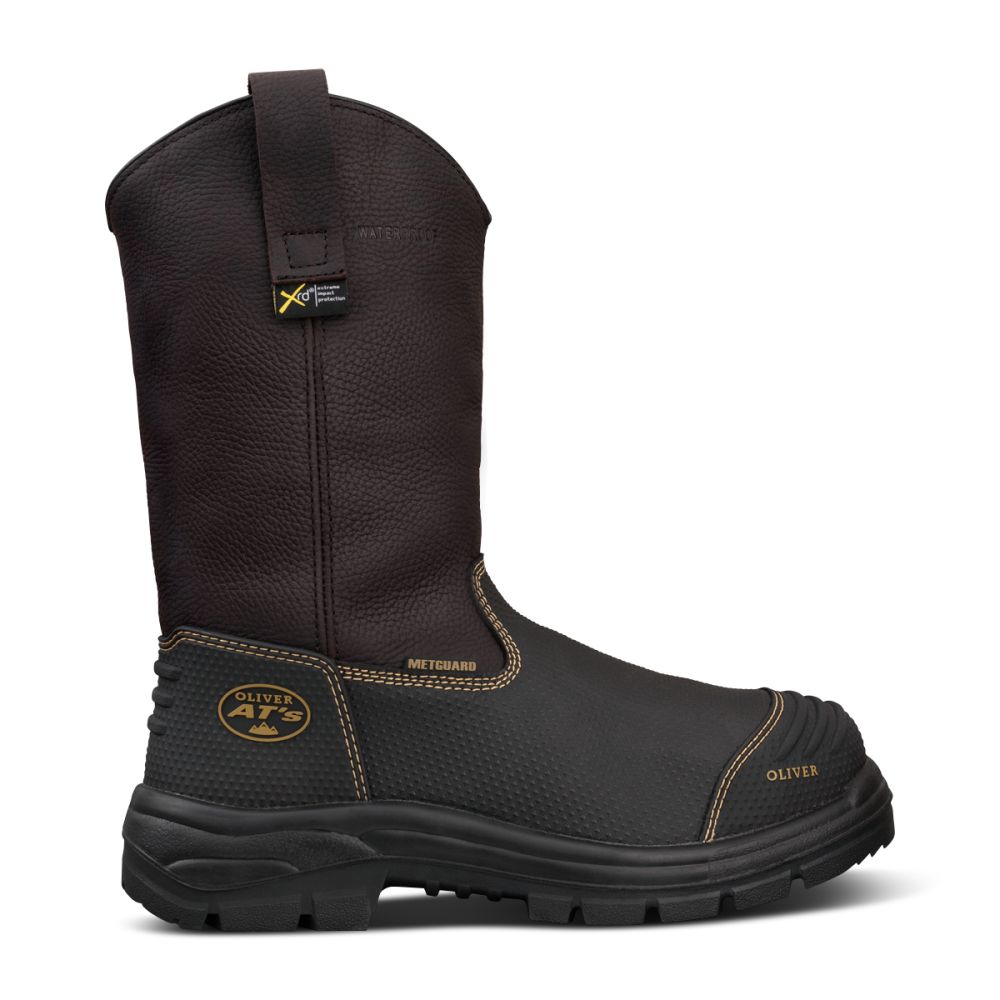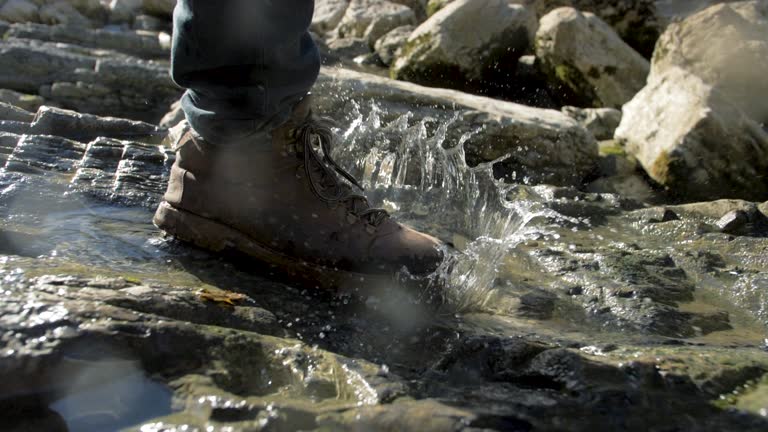
When it comes to workplace safety, comfort, and durability, your choice of footwear plays a critical role. For professionals across industries such as construction, agriculture, mining, logistics, and emergency services, waterproof work boots are not just a convenience—they’re a necessity. The right pair can protect you from hazards, improve your efficiency, and keep you comfortable through long shifts in demanding environments. But with countless options available, how do you choose the best waterproof work boots for your industry?
Why Waterproof Work Boots Matter
Moisture is one of the biggest threats to both comfort and safety at work. Wet feet not only cause discomfort but can also lead to blisters, fungal infections, and reduced productivity. In industries like construction or landscaping, where muddy or wet conditions are common, waterproof boots prevent water seepage and ensure you can work efficiently without distraction.
Furthermore, in colder climates, waterproofing provides insulation, helping workers maintain body temperature and reduce the risk of hypothermia. In short, waterproof boots protect your health, prolong the lifespan of your footwear, and ensure better on-the-job performance.
Key Features to Look For in Waterproof Work Boots
When shopping for waterproof work boots, you’ll want to assess several important features:
1. Material
The choice of material greatly influences durability, comfort, and waterproofing.
• Leather: Full-grain leather is highly durable and naturally water-resistant. Many premium boots use treated leather to enhance waterproofing.
• Rubber: Ideal for wet and muddy environments, rubber boots offer 100% waterproof protection but may lack breathability.
• Synthetic materials: Often lighter and more affordable, synthetic uppers with waterproof membranes like Gore-Tex can be a good balance between comfort and protection.
2. Waterproof Membranes
A waterproof membrane allows moisture (sweat) to escape while preventing water from seeping in. Technologies like Gore-Tex, KEEN.Dry, or proprietary membranes from boot brands are crucial for breathable yet waterproof performance.
3. Safety Toes
Depending on your industry, protective toe caps may be required.
• Steel toe: Maximum protection against impact and compression.
• Composite toe: Lighter, non-metallic, and doesn’t conduct heat or cold—ideal for electricians or those working in extreme weather.
• Aluminum toe: Lighter than steel but still strong, though less common.
4. Slip-Resistant Outsoles
Slippery surfaces are a hazard across many industries. Boots with oil- and slip-resistant outsoles improve traction on wet, oily, or uneven terrain.
5. Comfort and Fit
Waterproof boots tend to be heavier than regular footwear, so cushioning, arch support, and a proper fit are critical for reducing fatigue. Look for features like removable insoles, padded collars, and shock-absorbing midsoles.
6. Insulation
If you work in cold, wet conditions, insulated waterproof boots will keep your feet warm. Insulation levels vary, from lightweight (200g) for cool conditions to heavy-duty (1000g+) for freezing climates.
Choosing Waterproof Work Boots by Industry
Each industry has unique demands, so the best waterproof work boots for one profession might not suit another. Here’s a breakdown:
1. Construction
Construction workers face diverse hazards: heavy objects, sharp debris, uneven terrain, and exposure to water.
• Best choice: Waterproof leather boots with steel or composite toe protection, puncture-resistant midsoles, and slip-resistant outsoles.
• Why: They offer durability, impact protection, and stability on unpredictable surfaces.
2. Agriculture and Farming
Farmers and agricultural workers often deal with muddy, wet fields and animal waste.
• Best choice: Rubber waterproof boots with slip-resistant soles.
• Why: Rubber is easy to clean, completely waterproof, and resistant to agricultural chemicals and waste.
3. Mining and Heavy Industry
Mining environments expose workers to water, mud, falling debris, and harsh chemicals.
• Best choice: Heavy-duty waterproof boots with steel toes, metatarsal guards, chemical resistance, and electrical hazard protection.
• Why: Safety is paramount, and these boots offer the durability and protection required in extreme conditions.
4. Logistics and Warehousing
Workers in logistics may not face constant water exposure but still need protection from spills and wet loading docks.
• Best choice: Lightweight waterproof boots with composite toes and cushioned midsoles.
• Why: Comfort and mobility are key, with enough waterproofing for occasional wet conditions.
5. Emergency Services
Firefighters, paramedics, and rescue teams encounter unpredictable environments, from floods to hazardous spills.
• Best choice: Waterproof boots with chemical resistance, puncture-proof soles, and flame resistance (for firefighters).
• Why: They need versatile, durable protection with quick response capability.
6. Landscaping and Outdoor Work
Landscapers and groundskeepers regularly work in wet grass, mud, and changing weather conditions.
• Best choice: Breathable waterproof boots with slip-resistant soles and lightweight insulation.
• Why: Comfort and waterproofing without overheating are essential for outdoor, all-day wear.
How to Maintain Waterproof Work Boots
Even the best boots will wear out quickly without proper care. To extend their lifespan:
• Clean regularly: Remove dirt and mud after each use.
• Condition leather: Use leather conditioner to prevent cracking and maintain waterproofing.
• Dry properly: Never place boots near direct heat; instead, let them air dry.
• Reapply waterproofing treatments: Over time, treatments wear off, so apply sprays or waxes as recommended by the manufacturer.
Balancing Cost and Quality
It’s tempting to choose cheaper boots, but when it comes to waterproof work boots, investing in quality pays off. A higher upfront cost often translates to longer durability, better comfort, and fewer replacements. However, that doesn’t mean you need the most expensive pair—look for boots that balance essential safety features with your budget.
Pro tip: Consider how often you’ll wear them. Daily use in harsh environments justifies a premium investment, while occasional use may not require top-tier options.
Final Thoughts
Choosing the best waterproof work boots depends on your specific industry, work environment, and personal needs. Whether you’re working on a muddy farm, a wet construction site, or in emergency services, the right boots can protect your feet, enhance comfort, and boost productivity. Pay attention to material, waterproofing technology, safety features, and fit to make an informed choice.
Remember: your work boots are an investment in both your safety and long-term well-being. Choosing wisely can mean the difference between a long, comfortable workday and one filled with discomfort—or even injury.