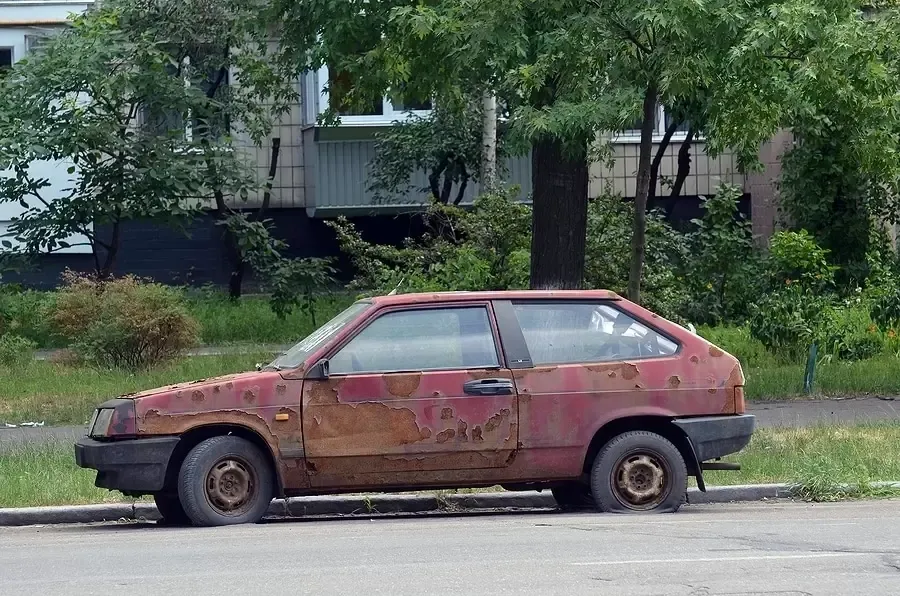
Buying a car with a salvage title can save you money, but it’s important to understand what you’re getting into. A salvage title inspection is your first step to knowing the car’s legal status and condition. While inspectors can confirm that the vehicle meets state requirements for rebuilt titles, they are not mechanics and cannot guarantee that the car is safe to drive. Still, knowing how to check the condition yourself can help you avoid surprises later.
Understand What a Salvage Title Means
A salvage title is issued when a vehicle has been damaged to the point that the cost of repairs is close to or more than its value. Many of these cars are repaired and put back on the road as “rebuilt” vehicles. Before you buy, know that the inspection focuses on verifying repairs and legal compliance, not on spotting every mechanical problem.
Check the Repair Quality
Look closely at the parts that were replaced or repaired. Uneven paint, mismatched panels, or loose parts could be signs of quick or low-quality work. Test doors, windows, and locks to ensure they function smoothly. Small details can reveal a lot about how carefully the car was rebuilt.
Review the Paperwork Carefully
Your inspection will go faster if you have all the necessary documents. This includes receipts for replaced parts, proof of ownership, and the original salvage title. Keep in mind that using a private agency like Sunshine Rebuilt saves you time compared to the DMV because they help with forms, notarization, and on-site inspections in one visit.
Check for Frame and Structural Repairs
Inspect the frame for welds, bends, or uneven seams. If you see anything unusual, it’s worth getting an independent mechanic to review the car. Remember, inspectors will check that repairs match the documentation, but they will not do a full mechanical evaluation.
Test Drive Before Finalizing
A short test drive can tell you a lot about a rebuilt vehicle. Listen for unusual noises, test the brakes, and make sure the steering feels stable. Even if the car passes its legal inspection, a test drive helps you feel confident about your decision.
Why Using a Private Agency Helps
At the DMV, you’d have to make an appointment, handle your own forms, and risk delays if something is missing. Private agencies like Sunshine Rebuilt handle the process in one place, often without the wait. While there are added fees for this service, the speed and convenience can be worth it, especially if you want to get your vehicle back on the road quickly.
Wrapping It Up
Assessing a salvage title car takes patience and attention to detail. By combining a salvage title inspection with your careful checks, you’ll have a clearer picture of the vehicle’s real condition. And when it comes time to make it road-ready, using a private agency can save you time compared to the DMV. With the right steps, you can enjoy your rebuilt car with confidence and ensure it meets all legal and practical requirements for your insurance salvage title needs.
FAQs
1. Can a salvage title vehicle be safe to drive?
Yes, but only after proper repairs and a rebuilt title inspection. While inspectors confirm that the car meets legal requirements, you should still have a mechanic check its overall safety.
2. What documents should I bring for a salvage title inspection?
Bring the original salvage title, proof of ownership, receipts for major repairs, and identification. Having everything ready speeds up the process and avoids delays in approval.
3. How is a private inspection agency different from the DMV?
Private agencies can handle all steps in one visit, including forms, inspection, and notary services. The DMV requires appointments, self-managed paperwork, and often longer waiting times.
4. Do inspectors check every mechanical part of the car?
No! They focus on verifying repairs match the documentation and meet legal requirements. For a complete check, you should hire a qualified mechanic separately before purchase.
5. Can I get insurance on a rebuilt salvage title vehicle?
Yes, but some insurers have restrictions. Many will require proof that the car passed its rebuilt inspection before offering coverage. It’s best to check with your insurance company beforehand.


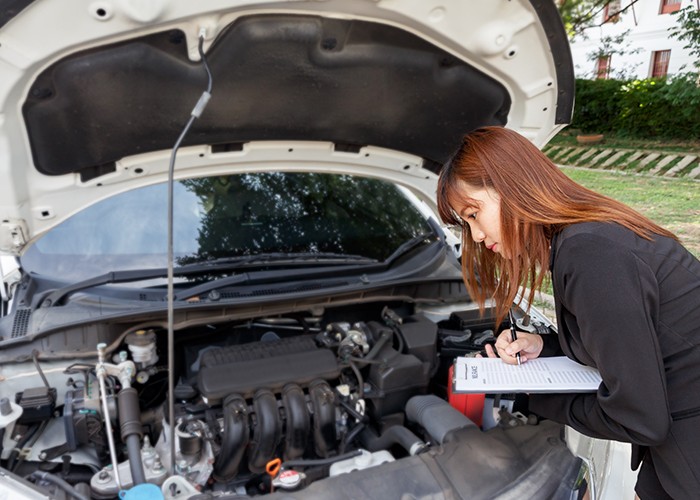

What Exactly is a Salvage Title?When you're out shopping for used cars, you may come across a vehicle with a salvage or branded title.
What this essentially means is that the vehicle has suffered some pretty serious damage in the past, with the damage being extensive enough that the damage exceeds a percentage of the car's value.Read more - Should You Be Worried About A Salvage Title?
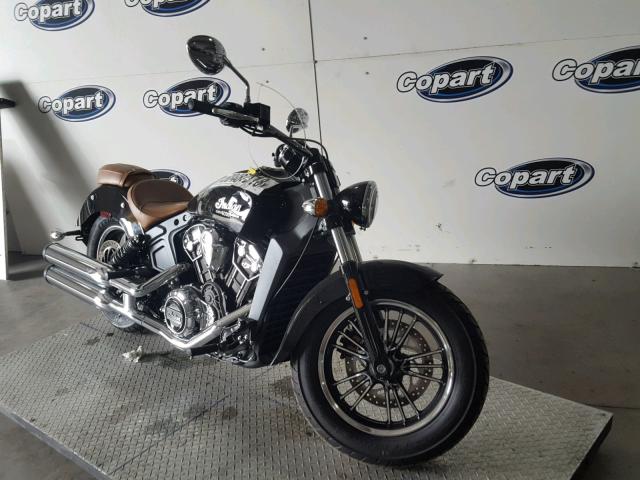
You don’t have to worry about poor quality when you buy from the best auction houses with Salvage Title Motorcycles for Sale.
These bikes are available at a fraction of their regular market price from auto auction.