Racing has always stirred something in us. The speed, the tension, the risk. People have tried to bring that energy to a tabletop for years. But what keeps players coming back? Is it the theme? The mechanics? Or is it something deeper—something that connects movement, suspense, and strategy in one tight loop?
Car-themed board games aren’t new. But the way people play them today has changed. It's not just about rolling dice and watching cars scoot forward. Now, it’s about planning your next move three turns ahead. It's about reading your opponents, choosing when to take a risk, and accepting that sometimes luck has a say too. And if a board game with cars can pull that off, it sticks. It stays on your shelf because it earns its spot.
Here’s why so many players still reach for car-themed titles—and why some of these games become classics.
Movement Feeds Engagement
In many games, players take turns, perform actions, and wait. In racing games, that loop feels tighter. You’re always thinking about movement. Where your car is now, where it could be, and what happens if it ends up blocked.
This constant motion keeps players locked in. Movement brings energy. Even when it’s not your turn, you’re watching the track. You’re reading the other cars. A strong board game with cars doesn’t give you time to check out. And that’s good. It’s rare to find mechanics that engage every player, every turn. Car games tend to pull that off better than most.
And if the board layout changes every time? Even better. Tracks with variable layouts increase unpredictability. When no two races are the same, the fun stays fresh.
Tension Adds Value
It’s not just about the movement. It’s about the tension behind it.
In the best car board games, every move matters. If you overextend, you could lose grip. If you hold back, you might never catch up. Some games introduce mechanics like tire wear or engine stress. Others rely on hand management or card play. These layers increase tension without making the game heavy.
Tension makes people lean in. It makes players remember their races. That last-minute overtake. That moment they gambled and won—or lost. These are the kinds of memories that make a game worth replaying. They build stories.
And when stories happen at the table, people come back for more.
Balance of Strategy and Luck
No one wants a race where the result is fixed. But people also don’t want to feel like they lost to chance.
Great car games walk that line. They offer tools to plan. You choose when to push your engine, when to draft behind another car, or when to take the inside line. But there’s always an element of risk. You never know exactly how the other players will move. That creates space for tension. For bluffing. For surprise.
This mix of planning and chaos is key. It ensures that the game isn’t always won by the most experienced player. That keeps it open for new players while still rewarding skill. It’s one of the main reasons car board games stay interesting.
Table Presence and Theme Matter
People also love games that look good. A racing game with miniatures, sleek track art, and vibrant tokens draws attention. You want to set it up just to look at it.
The theme does some heavy lifting too. Racing is something most people get right away. You don’t need to explain why first place matters. That simplicity helps with accessibility. But when paired with deeper mechanics, it also makes people stay longer. The game feels both familiar and rich.
Plus, the theme adds to immersion. You’re not just moving a piece—you’re shifting gears, hugging corners, and timing your overtake.
Why Car-Themed Games Thrive in Social Settings
A big reason these games last is how well they work with groups. Racing naturally builds rivalry. People cheer when someone makes a bold move. They groan when a car spins out. That shared experience creates a lot of table talk.
The games become more than just turns and pieces. They become stories. Stories people tell the next time they meet. Social fun adds to the replay loop. It’s not just about playing the game again. It’s about playing it again with those people. With that rivalry.
And since many car games scale well from two players to six or more, they’re flexible too. That makes them perfect for regular game nights or casual meetups.
Innovation Keeps the Genre Moving
Designers keep finding new ways to tweak racing mechanics. Some focus on real-life racing rules. Others add fantasy elements. Some use cards instead of dice. Others add modular boards or even legacy elements.
That kind of innovation means the genre doesn’t stand still. Even longtime fans of racing games can find something new to try. And for new players, there’s an entire lane of choices. Some games take 20 minutes. Others offer deep two-hour marathons.
There’s something about this blend—cars, tactics, and interaction—that just doesn’t wear out.
Games That Don’t Age Themselves
A car game that plays the same way every time won’t last. But one that changes based on the track, the group, and the player choices? That one stays fun.
The key is flexibility. If a game lets players get better at it, if it has paths to try and learn, it doesn’t get old. You can bring it back after months and still find new angles. New moments of tension. New outcomes.
And that’s where the best car-themed games shine. They don’t tell you a story. They let you create one.
Conclusion: Lacorsa Grand Prix Game
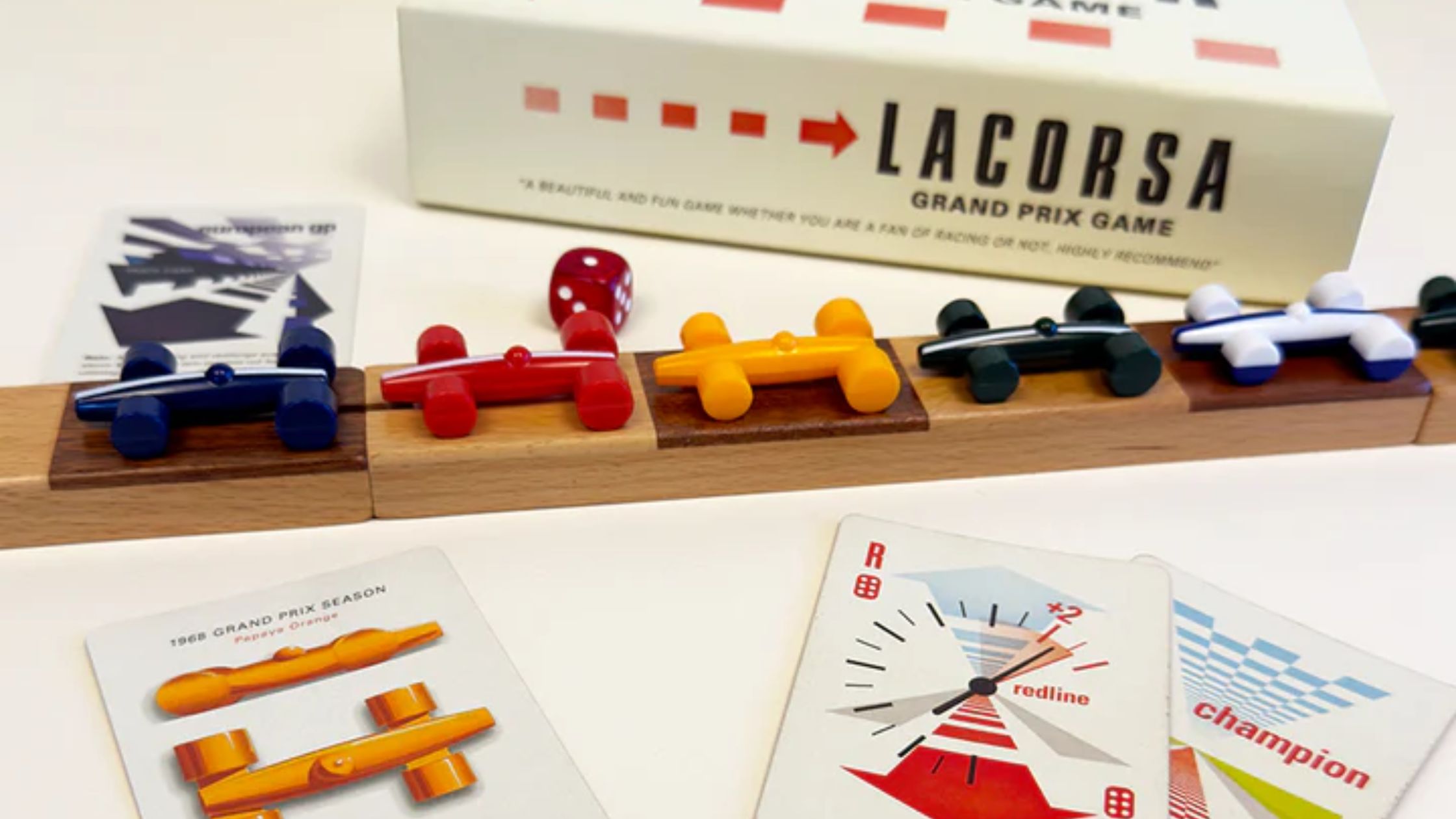
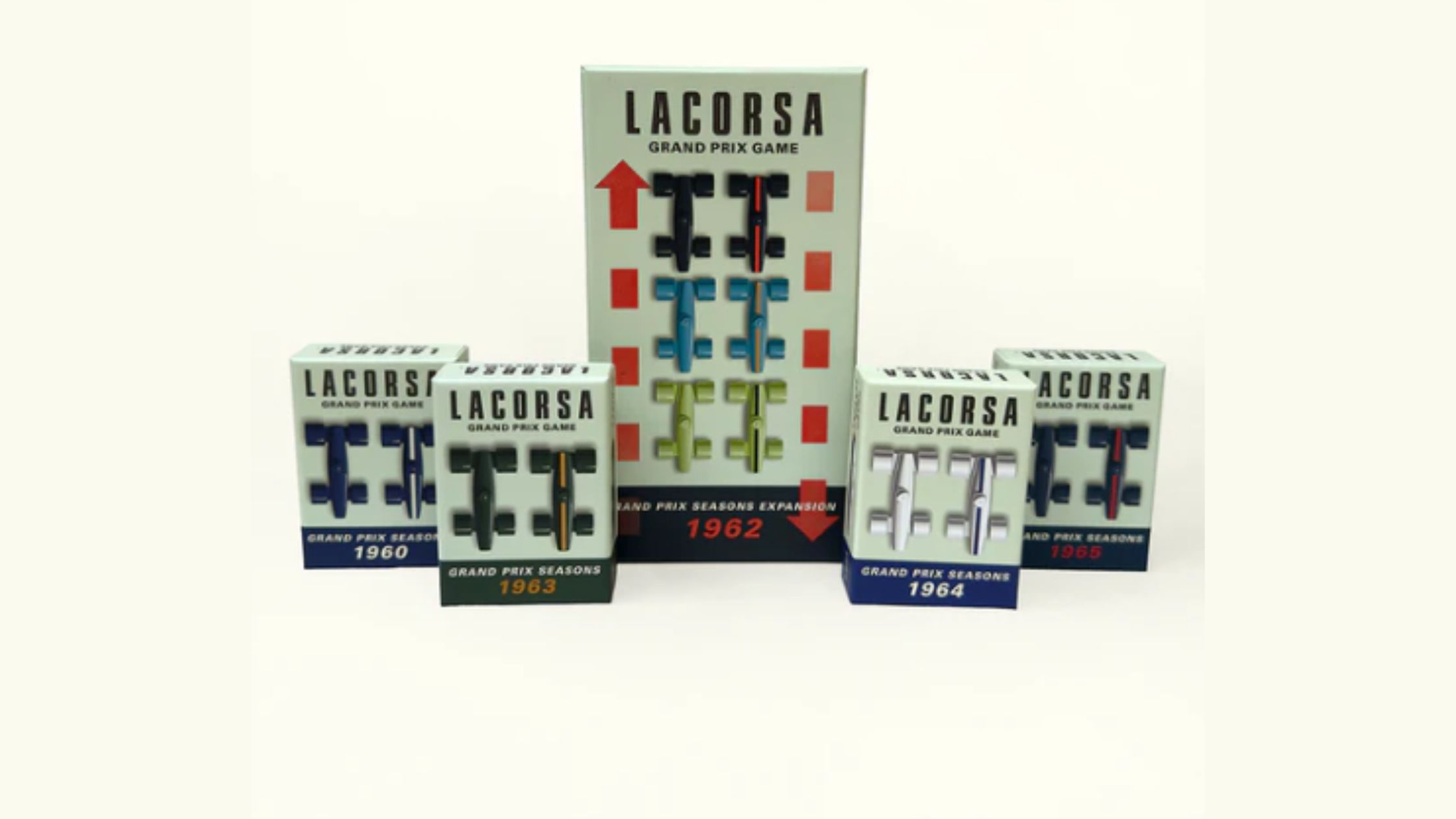
Few games deliver the mix of story, skill, and surprise quite like Lacorsa Grand Prix Game. It captures the spirit of classic Formula 1 with design choices rooted in the golden age of racing. Every session unfolds differently, thanks to its rich blend of strategy and unpredictability.
Players don’t just race. They think, they push, they react. And the outcome isn’t ever certain. That balance of brain and chance makes each race worth remembering.
The look of the game stands apart too. Inspired by vintage Italian Grand Prix posters and the elegant forms of 60s race cars, the board feels alive. It doesn’t just sit on the table—it demands attention.
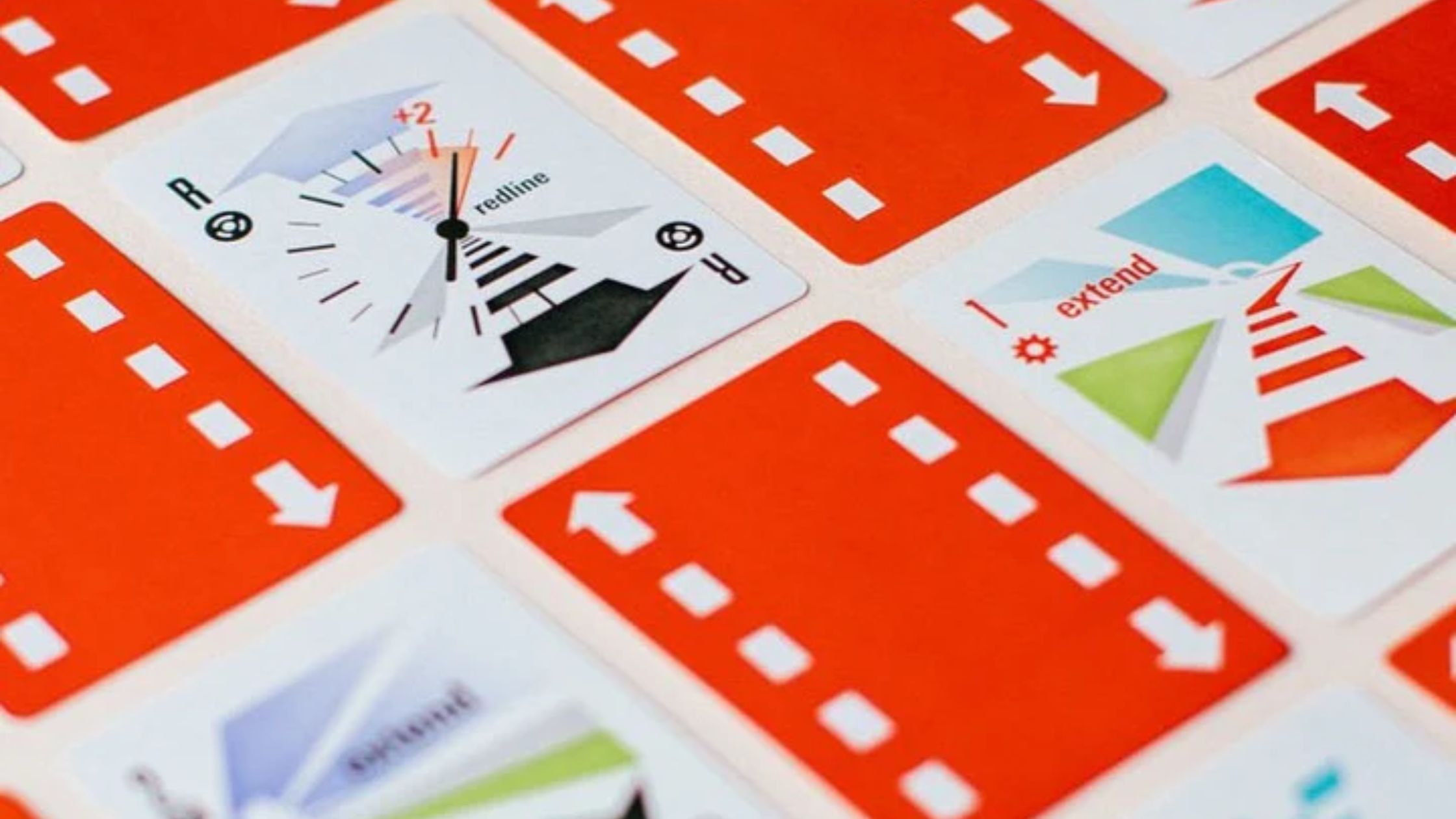
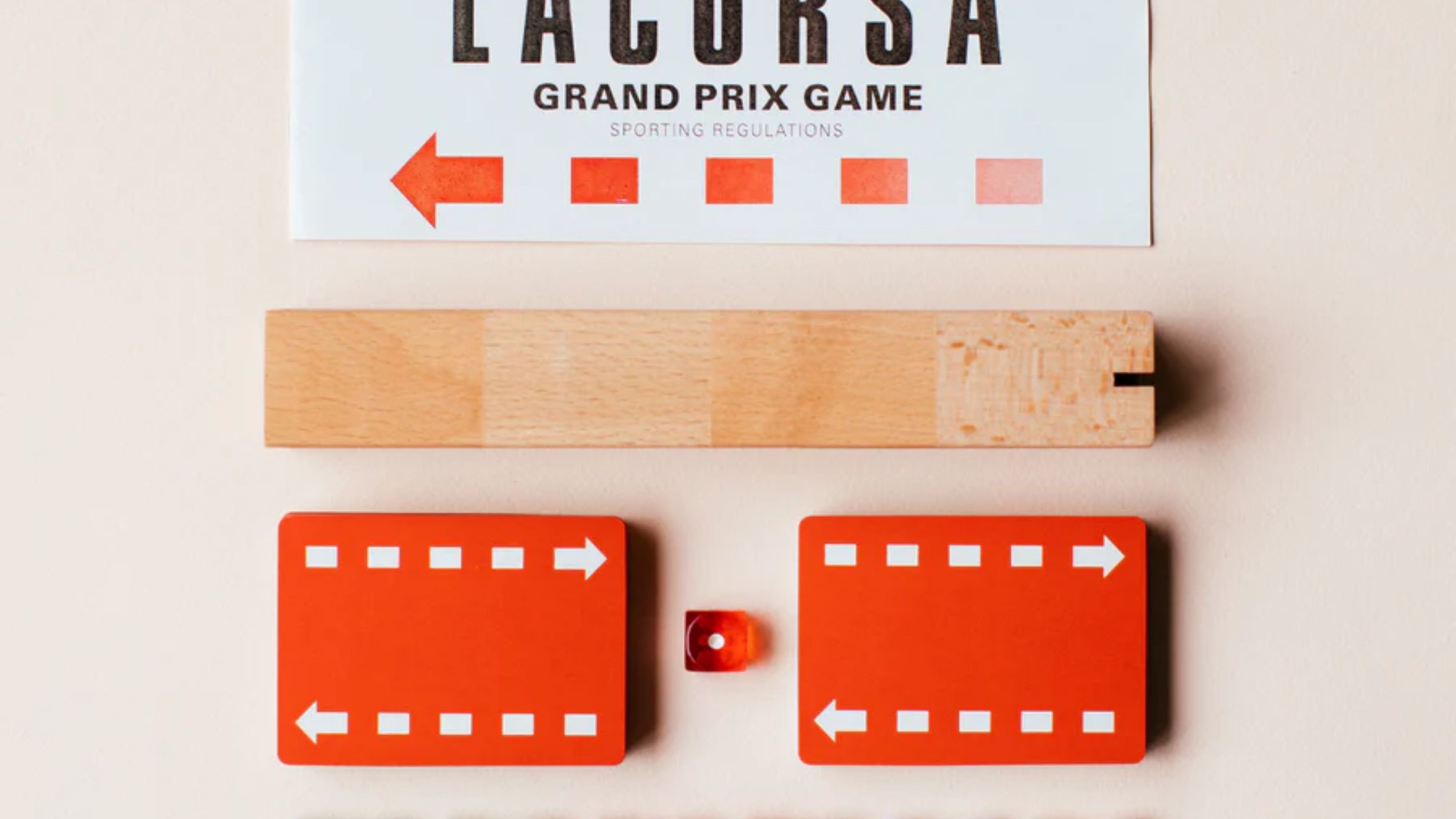
More than two years went into shaping every detail. The track layout, the race cards, the overtaking mechanics—all refined to reflect the thrill of real F1 competition. Yet, the game remains simple enough for first-time players to enjoy. And deep enough for veterans to keep chasing that perfect race.
With Lacorsa Grand Prix Game, you never get the same finish twice. Each game is its own race, its own memory. That’s what keeps it coming back to the table.