


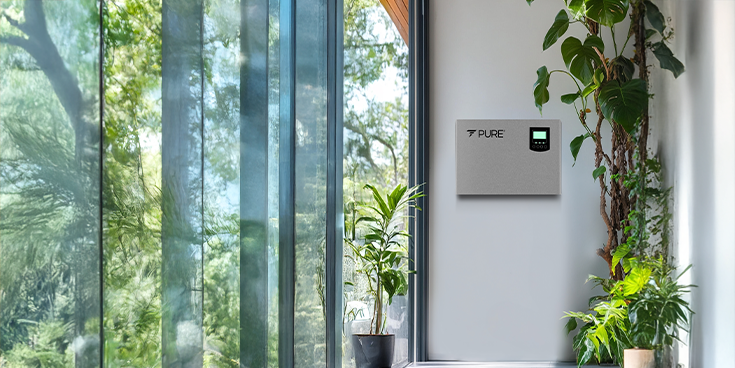
Running a business in India and getting hit by a sudden power cut is basically modern corporate horror: servers go dark, ACs stop, that one fan that’s been saving the office morale dies, and your team resorts to phone flashlights like it’s 2005. If you’ve ever wished for a superhero who can whisper “backup” and make the outage disappear, welcome — this article is a slightly messy, real-world guide to choosing Power Backup solutions for business india without sounding like a dry whitepaper.
Why power backup is not optional (subheading: actual chaos vs. polite spreadsheets)
Let’s be honest: you can survive a few outages, but you can’t scale a business that loses customer trust or data during every monsoon or load-shedding session. Imagine your payment gateway going down during a product launch — that’s revenue walking out the door. On the flip side, invest in sensible backup and it pays for itself by avoiding downtime, lost data, and the sheer panic of your operations manager.
A tiny statistic most people miss: even short outages (under 5 minutes) cause measurable drops in productivity and customer satisfaction — the kind of nagging loss that stacks up. People on Reddit and industry LinkedIn threads often share horror stories about poorly planned UPS systems failing during the one time they actually needed them. Moral: don’t be that story.
Types of solutions (subheading: pick what suits your business, not your ego)
UPS (Uninterruptible Power Supply) — great for protecting IT gear and giving you time to gracefully shut down or switch to generator. Think of UPS like the mattress that cushions a fall: not flashy, but invaluable.
Inverters + Batteries — cheaper for long outages and simpler setups (small offices, shops). Batteries keep the lights and POS systems running, but check battery chemistry and maintenance needs.
DG Sets (Diesel Generators) — heavy-duty, suitable for long outages or larger operations. Expensive to run but reliable when you need full-load power.
Hybrid Systems & Solar + Storage — getting trendy and practical: pair rooftop solar with batteries and a smart inverter. Cuts costs over the long run and gives sustainability brownie points (and sometimes subsidies).
Pro tip: don’t oversize your system because you feel like it makes you look professional. Match capacity to real loads — servers, lights, A/C (if uptime is critical), and critical machinery. Err on the side of a little extra headroom, not double the requirement.
Maintenance & lifecycle (subheading: the boring part that keeps you from crying)
Batteries degrade. Generators need fuel checks and maintenance. UPS systems need firmware updates and the occasional sanity check. Plan for a lifecycle: replace lead-acid batteries every 3–5 years, lithiums last longer but cost more upfront. Schedule quarterly tests, keep spare parts (filters, fuses), and document an SOP for failures. Ask your vendor for a Service Level Agreement (SLA) that doesn’t read like a fairy tale.
Money talk — ROI explained like a chaiwala would
Think of backup investment like buying an umbrella for the monsoon. You could run without one and get soaked once in a while — but when the downpour hits, the umbrella prevents a mess. Calculate ROI by estimating the cost of downtime per hour (lost sales, labour, penalties) versus the total cost of ownership of backup systems (CAPEX + OPEX, maintenance, fuel). For many SMBs, a decent UPS + generator combo pays back within a year or two if downtime costs are high.
Real-life mini-story (because you asked for “real”)
Once, at a small SaaS startup I knew (not mine, promise), they relied on a single cheap UPS. On the day of a massive product demo, their UPS decided to take a nap. The demo went to hell, the client didn’t come back, and the boss cried into his third cup of coffee. They switched to a proper hybrid setup after that, and morale (and client retention) improved. Lesson: you’ll regret cheap shortcuts at the worst possible time.
Online chatter & trends (subheading: what people are saying on forums)
On Twitter and LinkedIn, folks are talking about hybrid solar + battery setups more and diesel generator emissions less. Small businesses are sharing DIY inverter upgrades and complaining about battery lifespan. Forums are full of “which brand?” threads where reliability beats price in most votes. So yes — trends matter, but reliable vendors and after-sales service matter more.
Quick checklist before you sign anything
Get a proper load audit (don’t guess).
Ask for references and SLA details.
Check maintenance costs and spare part availability.
Consider future growth and modular expansions.
Think green if you can: solar + battery reduces long-term costs and carbon guilt.
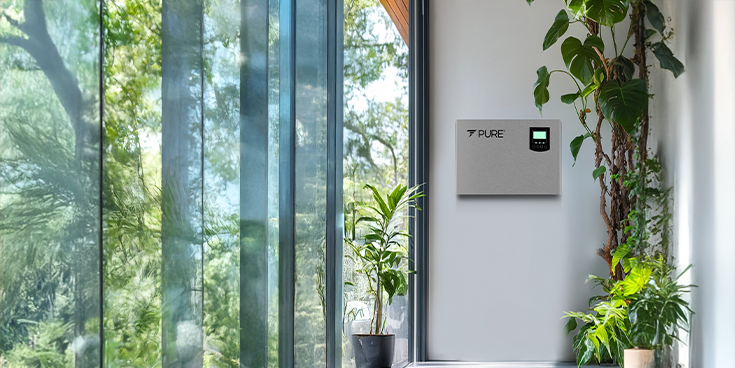
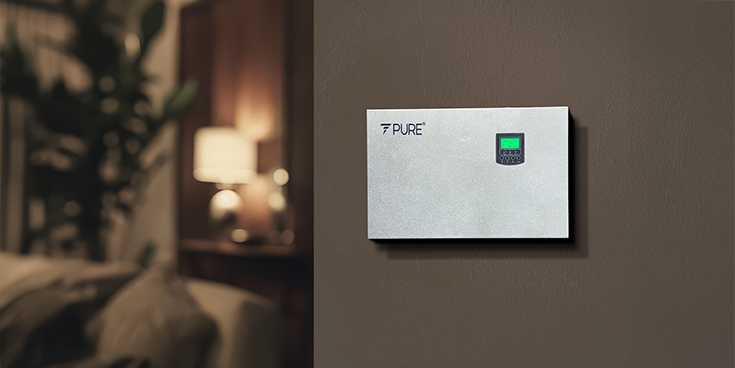
If you're looking for actual products and installations, start by checking reputable providers and compare quotes. For example, Pure Energy has options and resources tailored to Indian businesses — a sensible place to begin your search for robust Power Backup solutions for business india.



Business Backup Solutions, Unlimited online backup user accounts.
Learn more about how we can offer the best backup software for you.
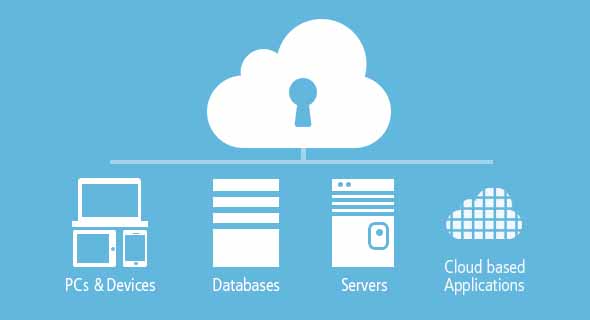
Backupguru providing cloud backup solutions that offer limitless storage.
Could backup storage services keep your data safe while optimizing backup and recovery even for small business