

Facility management software: The backbone of modern asset management
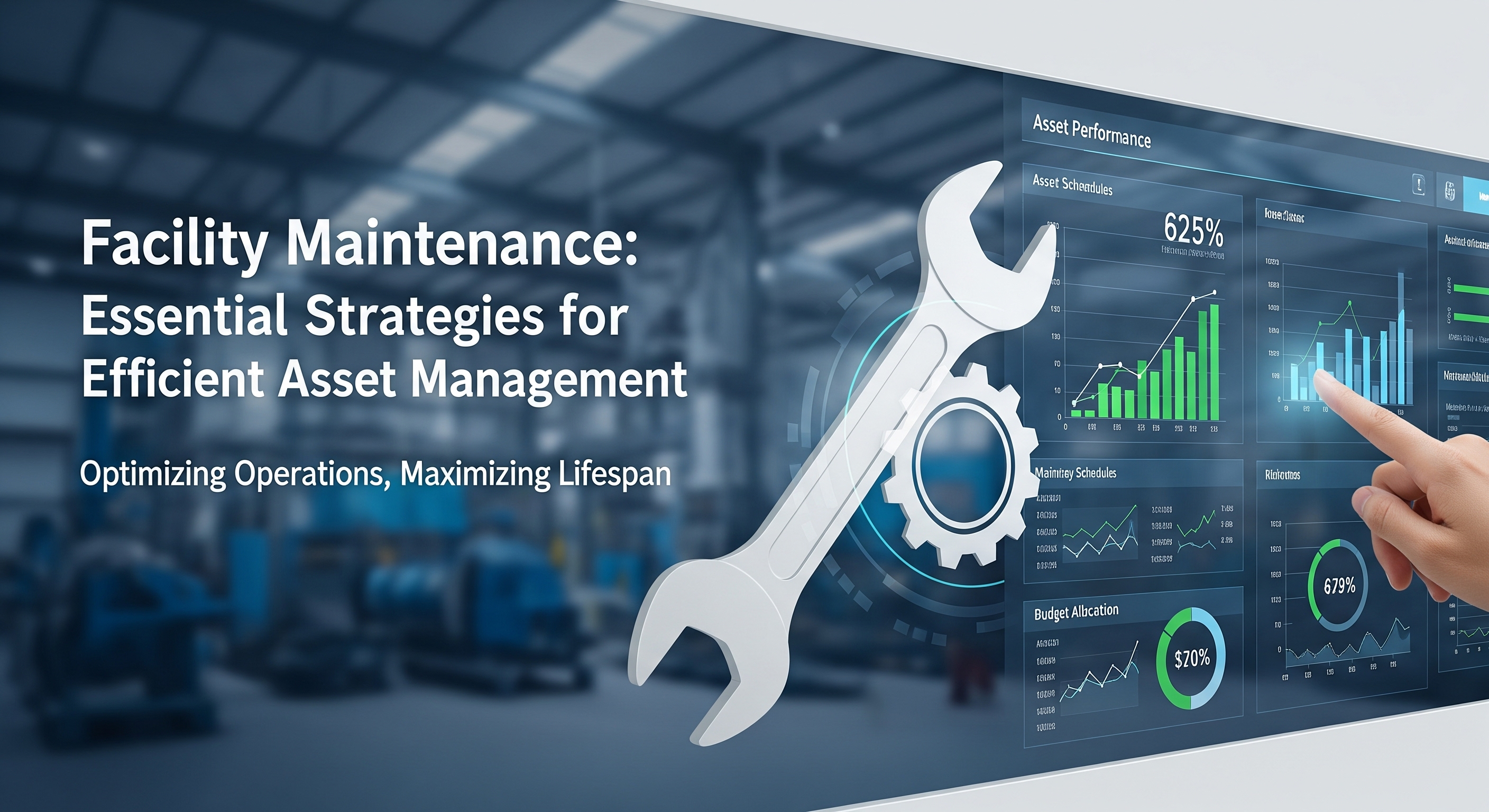
Facility management software (FMS) has become an essential element for organizations seeking to optimize their maintenance operations and extend the lifespan of their assets. Modern solutions, such as Innomaint, leverage cutting-edge technologies including IoT, AI, and Digital Twin to deliver real-time insights, automate routine tasks, and facilitate proactive decision-making. These systems serve as the central hub for managing a broad spectrum of facility operations, from work order management to energy monitoring and predictive analytics.
Innomaint’s facility management software is designed with user-friendliness and mobility in mind, enabling facility managers and field technicians to access critical data from anywhere at any time. This flexibility enhances responsiveness, reduces downtime, and ensures that maintenance tasks are completed efficiently. The integration of IoT sensors allows continuous monitoring of assets, providing real-time data that feeds into AI-driven analytics to predict failures before they occur. This proactive approach not only minimizes operational disruptions but also significantly reduces maintenance costs.
Furthermore, Digital Twin technology creates virtual replicas of physical assets, enabling simulation and scenario analysis that inform maintenance strategies. This digital representation helps organizations optimize asset performance, plan repairs, and extend asset life. With comprehensive dashboards and automated alerts, facility teams can prioritize tasks, allocate resources effectively, and make data-driven decisions that improve overall operational efficiency.
Asset lifecycle management: Extending asset value through strategic oversight
Effective asset lifecycle management (ALM) is fundamental to maximizing the return on investment in physical infrastructure. ALM involves overseeing an asset from its initial procurement through its operational life, maintenance, and eventual decommissioning. Modern ALM strategies, supported by intelligent software like Innomaint, focus on detailed tracking and management of each asset’s lifecycle stages.
By utilizing IoT sensors and AI algorithms, organizations can continuously monitor asset health, gaining insights into wear and tear, operational efficiency, and potential failure points. This real-time data enables predictive maintenance, allowing facility managers to schedule interventions precisely when needed, rather than relying solely on fixed schedules or reactive repairs. Digital documentation of asset history facilitates compliance with industry standards and regulatory requirements, ensuring transparency and accountability.
Strategic lifecycle management also involves planning for upgrades and replacements based on predictive analytics and asset performance data. This proactive planning reduces operational disruptions and ensures continuous efficiency. Innomaint’s comprehensive ALM modules empower facility managers to optimize maintenance schedules, extend asset lifespan, and improve overall infrastructure reliability through data-driven insights and strategic planning.
Asset tracking solutions: Enhancing visibility and control over physical assets
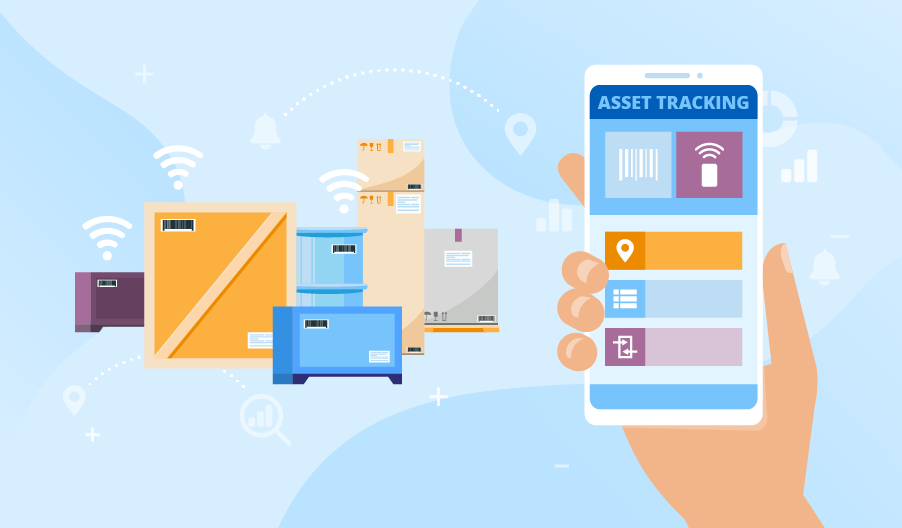
Asset tracking solutions are critical for maintaining control over physical assets within large and complex facilities. These solutions leverage RFID, GPS, and IoT technologies to provide real-time location and status updates, ensuring assets are properly maintained, utilized, and accounted for.
In facility management, asset tracking improves operational efficiency by reducing time spent searching for equipment, preventing theft or loss, and ensuring timely maintenance. Innomaint integrates advanced asset tracking features that enable remote monitoring of assets, automated alerts for overdue maintenance, and optimized utilization. This technology not only streamlines day-to-day operations but also provides valuable data for analyzing usage patterns and planning future capacity.
In addition, asset tracking supports inventory management by ensuring that spare parts and consumables are available when needed. This reduces downtime and enhances service delivery. Detailed tracking data also helps organizations analyze asset utilization, identify underused equipment, and plan for capacity expansion, ultimately leading to better resource management and cost savings.
Energy monitoring systems: Driving sustainability and cost savings
Energy consumption is a significant operational expense for facilities across industries. Implementing energy monitoring systems enables organizations to identify inefficiencies, reduce waste, and meet sustainability goals. These systems utilize IoT sensors and advanced analytics to provide real-time data on energy usage across different systems and zones within a facility.
Innomaint’s energy monitoring solutions offer visualizations of consumption patterns, benchmarking tools, and anomaly detection alerts. Facility managers can quickly identify areas with abnormal energy consumption, investigate issues such as malfunctioning equipment, and implement corrective measures. This proactive approach helps optimize energy use, reduce costs, and support environmental sustainability initiatives.
Upgrades driven by energy monitoring insights can include switching to energy-efficient lighting, installing smart HVAC controls, and integrating renewable energy sources like solar panels. These measures lead to long-term savings and help organizations align with green building standards and corporate sustainability commitments. Continuous monitoring ensures ongoing energy efficiency improvements and cost reductions.
Condition monitoring systems: Ensuring asset reliability through continuous observation
Condition monitoring systems (CMS) are vital for maintaining high levels of asset reliability and safety. These systems employ a network of sensors to continuously observe parameters such as vibration, temperature, pressure, and humidity. The data collected provides early warning signs of potential failures, enabling timely intervention.
Integrating CMS with facility management software like Innomaint automates alerts and maintenance scheduling based on real-time asset condition data. This approach minimizes unnecessary interventions, reduces unplanned outages, and extends the lifespan of critical equipment. AI and machine learning further enhance the predictive capabilities of CMS by analyzing large datasets to identify subtle patterns that precede failures.
The use of condition monitoring is especially crucial in industries with high safety standards, such as healthcare and manufacturing. It ensures that assets operate within safe parameters and reduces the risk of catastrophic failures. Continuous observation and analysis foster a proactive maintenance culture, ultimately leading to safer, more reliable, and cost-effective operations.
Preventive maintenance programs: Establishing a proactive approach to asset care
Preventive maintenance (PM) programs are designed to perform scheduled maintenance activities to prevent unexpected failures and extend asset life. These programs are based on manufacturer recommendations, historical data, and asset usage patterns.
Modern facility management software automates preventive maintenance scheduling, ensuring tasks are performed consistently and documented properly for compliance. Innomaint’s platform allows customization of PM plans, integrating IoT sensor data and AI insights to refine schedules based on real-time asset condition. This dynamic approach ensures maintenance is performed precisely when needed, rather than on fixed intervals.
Implementing preventive maintenance reduces emergency repairs, improves safety, and enhances operational efficiency. It also promotes a culture of proactive asset care, leading to cost savings and improved service quality. Well-structured PM programs are integral to achieving long-term sustainability and operational excellence.
Predictive maintenance techniques: Harnessing data for anticipatory asset care
Predictive maintenance (PdM) is the pinnacle of modern asset management, utilizing advanced analytics, IoT, and AI to forecast failures before they occur. PdM techniques analyze data from sensors, operational logs, and historical maintenance records to identify trends and anomalies indicative of impending issues.
Innomaint’s predictive maintenance capabilities leverage Digital Twin technology to simulate asset behavior under various conditions, providing valuable insights into potential failures. AI algorithms process large datasets to generate accurate predictions, allowing maintenance teams to intervene proactively, thus minimizing downtime and repair costs.
This approach not only reduces unnecessary maintenance activities but also ensures critical assets are serviced at the optimal time. PdM supports strategic planning, inventory management, and resource allocation, making it an essential component of effective facility management. Embracing predictive maintenance leads to more reliable operations, lower costs, and increased asset longevity.
Energy efficiency upgrades: Implementing sustainable solutions for long-term savings
Energy efficiency upgrades are vital for organizations committed to sustainability and operational cost reduction. These upgrades include installing energy-efficient lighting systems, upgrading HVAC equipment, enhancing insulation, and integrating renewable energy sources such as solar or wind power.
Facility management software like Innomaint supports the identification of high-energy-consuming areas and evaluates the potential benefits of various upgrades. Data-driven insights enable organizations to prioritize investments that deliver maximum return on investment. Operational changes, such as demand response strategies and optimized scheduling, further reduce peak energy usage and costs.
Implementing these upgrades not only results in significant cost savings but also reduces the environmental impact of facility operations. Long-term benefits include compliance with green building standards, enhanced corporate reputation, and contribution to global sustainability efforts. Continuous monitoring ensures that energy efficiency gains are maintained and improved over time.