Outdoor weddings feel effortless and magical—but the most unforgettable ones are carefully designed. Whether you’re working with a backyard, a ranch, a rooftop, or a poolside patio, you can turn almost any open-air setting into a ceremony-and-reception space that looks custom-built for your day. This guide breaks down the process step by step—so you can plan confidently, avoid common pitfalls, and deliver a guest experience that feels polished from first look to last dance.
1) Start With the Space You Have (and Its Natural Assets)
Before renting a single chair, study the site:
Focal points: Trees, arbors, water features, mountain or skyline views become instant backdrops for vows and photos.
Traffic flow: Identify clear paths from arrival to ceremony, cocktail hour, dinner, and dancing.
Sun, shade, and wind: Note where the sun sets, typical wind direction, and existing shade at ceremony time to avoid squinting, glare, and windblown décor.
Ground conditions: Lawns, gravel, pavers, and decking affect footwear, accessibility, and rental choices.
Pro tip: Use a phone compass/sun-tracking app to map ceremony timing against the sun path. Aim for side- or backlit light during vows for flattering photos.
2) Design the Layout in Smart Zones
Treat your venue like an event campus. Define zones that guide guests through the experience:
Ceremony: A framed focal point (arch, floral pillars, or minimalist sculpture), a central aisle, and a subtle sound system.
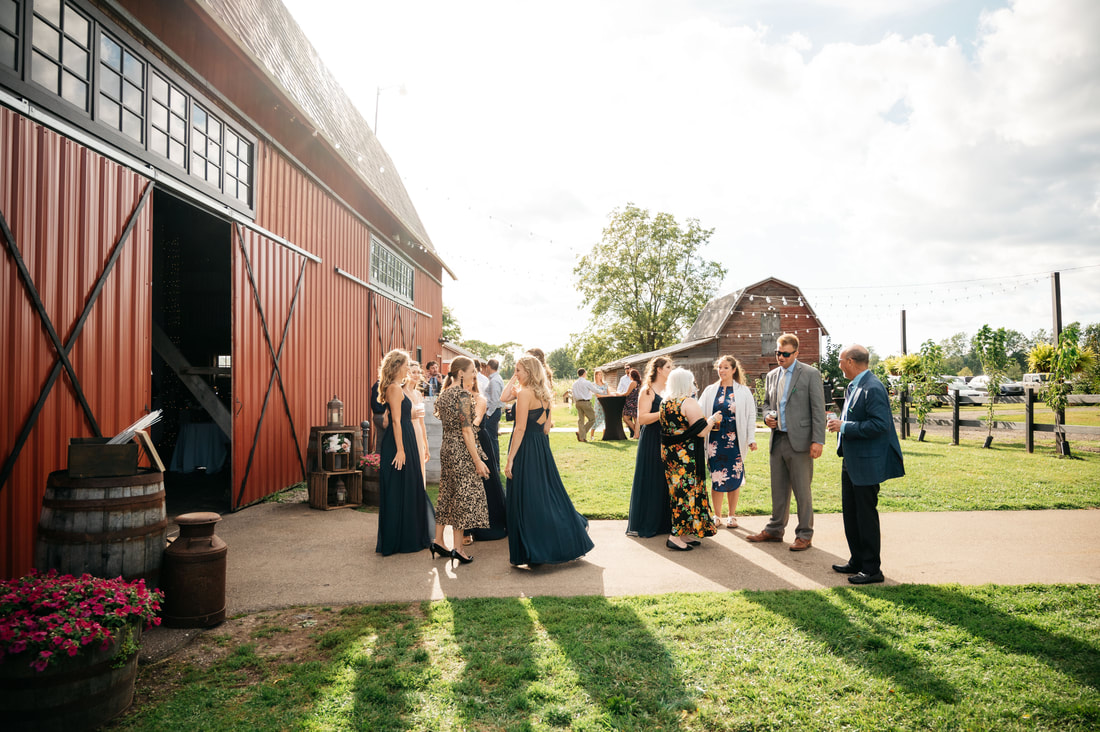
Cocktails: Clustered lounge vignettes and high-tops placed near a scenic feature to encourage mingling.
Dinner: Long banquet tables under bistro lights or a sailcloth tent for structure and intimacy.
Dancing: A dedicated floor near the bar (but not blocking it), with a satellite lounge for non-dancers.
Sketch to scale using simple grid paper or a free floor-planning tool. Ensure ADA-friendly routes (smooth surfaces, ramp alternatives to steps, and accessible restrooms).
3) Build a Lighting Story (Your Most Transformative Tool)
Light turns blank spaces into cinematic sets:
Ambient: Overhead bistro strands, lantern-draped trees, and tent uplights establish warmth.
Accent: Pinspot florals, highlight architectural stone, illuminate pathways and signage.
Functional: Task lighting for bars, buffets, restrooms, and parking areas to keep guests safe and staff efficient.
Dramatic moment: A twilight dim-down to reveal the dance floor, or a synchronized “first dance” glow.
Consider battery-powered LEDs for flexibility, and confirm power loads if you’re running long strands or DMX-controlled fixtures.
4) Choose Tenting and Shade for Comfort and Contingency
A tent isn’t only a rain plan—it’s a design canvas:
Sailcloth/clear-top: Airy and elegant; clear-tops showcase the night sky (add anti-condensation liners in humid climates).
Frame tents: Flexible for tight spaces and custom layouts.
Shade sails and pergolas: Ideal for cocktail or lounge areas to tame harsh sun.
Always price sidewalls, heaters/fans, and weighted anchoring. Weather shifts quickly; your rentals should pivot just as fast.
5) Layer Rentals for a “Custom Built” Look
Rentals do the heavy lifting:
Seating: Mix ceremony chairs with a reception blend—crossbacks for dining, plush lounges for conversation pockets.
Surfaces: Wood farm tables or linen-draped rounds; add texture with runners, rattan chargers, or stoneware.
Statement pieces: A ceremony arch, a bespoke escort display, or a neon sign over a hedge wall defines your brand of celebration.
Stick to a tight material palette (e.g., warm wood + linen + glass + greenery) to feel intentional, not random.
6) Florals and Greenery That Fit the Environment
Let the site guide your botanical plan:
Backyard/garden: Emphasize seasonal blooms and meadowy ground arrangements that “grow” from the landscape.
Ranch/meadow: Use textural grasses, branches, and large-format arrangements that don’t get lost in wide-open views.
Rooftop/urban: Sculptural greens, potted trees, and bold, architectural florals echo the skyline.
Opt for foam-free mechanics and local florals when possible for sustainability and freshness.
7) Sound, Power, and Permits (The Unsexy Essentials)
Sound: Outdoor audio dissipates; book a pro sound tech who can mic the officiant, the couple, and musicians, and who understands neighborhood ordinances.
Power: Calculate electrical loads for lighting, catering, bars, DJ/band, and restrooms. Consider a whisper-quiet generator with backup fuel.
Permits & neighbors: Check city permits for amplified music, tenting, and street parking. Communicate a friendly heads-up to neighbors with event times and a contact number.
8) Food & Beverage That Suit the Setting
Service style: Stations and family-style service feel social outdoors; plated dinners work well under tented setups.
Bar placement: Put bars where lines can form without blocking circulation; add a satellite bar near the dance floor.
Late-night bite: Keep people energized with handheld snacks delivered to lounges and the floor.
9) Poolside, Patios, and Water Features
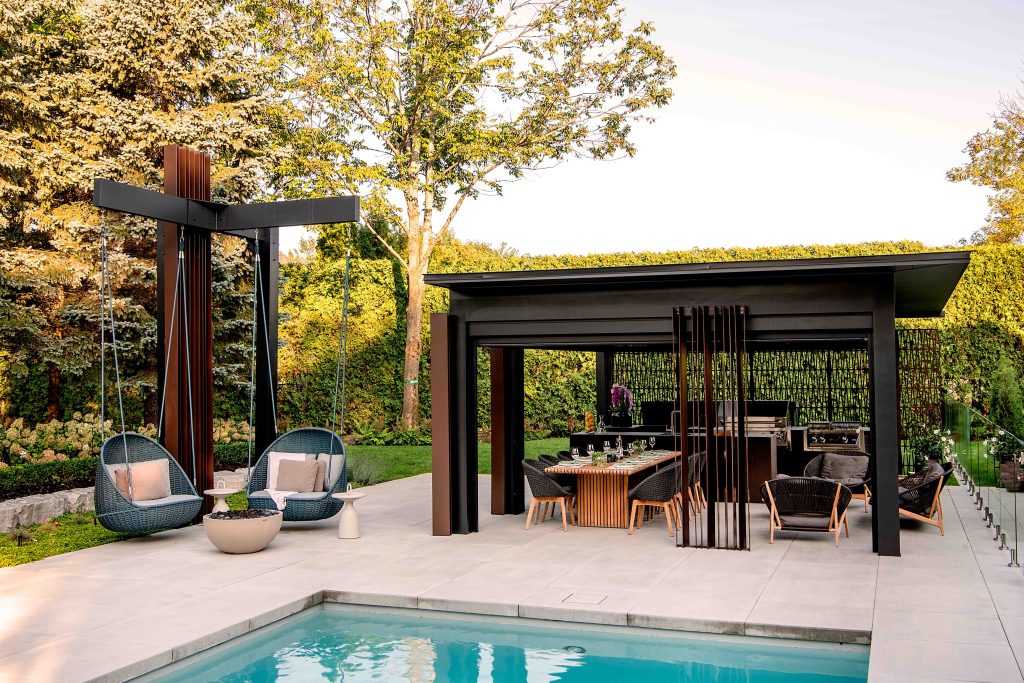
Water elements are naturally glamorous—and practical with planning:
Define a no-glass zone near the pool (use acrylic drinkware).
Add floating candles or floral islands for ambience.
Create photo moments with a reflective water backdrop and a lit feature wall.
If you’re leaning festive, the middle of your planning is a perfect time to brainstorm creative poolside party themes that can transition from cocktail hour to an after-party. For couples who want a lively, modern reception vibe, integrating creative poolside party themes—like coastal chic, tropical sunset, or neon night swim (sans swimming)—adds personality without overhauling your core wedding design.
10) Comfort, Safety, and Guest Experience
Wayfinding: Clear signage from parking to ceremony; illuminated paths after dark.
Comfort kit: Baskets with sunscreen, bug spray, shawls, paper fans, flip-flops, and umbrellas.
Climate control: Fans, misters, or heaters by season. Provide water stations throughout the venue.
Accessibility: Smooth surfaces for wheels and heels; consider temporary flooring over grass for dining and dancing.
11) Timeline That Matches the Outdoors
Golden hour vows or portraits elevate imagery—check the exact sunset time for your date.
Buffer for transitions: Outdoor moves take longer; add 10–15 minutes for guest flow between zones.
Noise curfews: If there’s a cut-off, plan an intentional finale (sparkler alternative, fiber-optic wands, cold sparks where permitted).
12) Sustainability That Still Feels Luxe
Rent, don’t buy one-off décor.
Local and seasonal menus reduce transport and taste better.
Repurpose florals from ceremony to reception; donate arrangements post-event.
Realistic guest count lowers waste and reallocates budget to the details that matter.
13) Budget-Savvy Moves With High Impact
Prioritize the three things guests remember: food/drink, music, and lighting.
Swap costly florals for greenery-forward installs and a few statement blooms.
Use mixed seating (some lounges, some cocktail, some dining) to reduce chair/table count while enhancing the look.
Choose a signature installation (entry arch, escort display, or dance-floor canopy) that photographs beautifully and anchors the design.
Quick Checklist to Get Started
Walk the site and mark sun/wind, power access, and focal points.
Draft a zoned layout and confirm guest flow and accessibility.
Price tenting, lighting, power, sound, and restrooms—then décor.
Book vendors experienced with outdoor logistics.
Lock a weather plan (sidewalls, heaters/fans, floor).
Build a lighting story and floral plan that complements the landscape.
Finalize timeline with golden hour and local noise rules in mind.
Transforming an outdoor space is about editing—highlighting what’s naturally beautiful, solving for comfort and logistics, and adding a few bold statements that feel uniquely you. With thoughtful zoning, layered lighting, the right rentals, and a rock-solid plan for weather and sound, your open-air setting will look and function like a purpose-built venue—delivering an experience your guests will rave about long after the last