If you're navigating thyroid eye complications, understanding and managing TED Graves Disease early can make a world of difference. Recognizing the initial signals not only paves the way for timely medical support but also helps preserve both vision and comfort. In this article, we’ll walk through the early signs of TED Graves Disease and outline practical steps you can take to reduce risks and support recovery.
Recognizing the Early Signs of TED Graves Disease
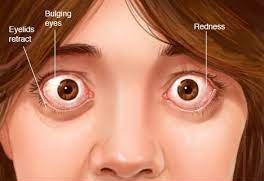
Awareness is the first line of defense when it comes to TED Graves Disease. One of the most prominent early indicators is proptosis-when the eyes appear to bulge or protrude slightly. This occurs due to inflammation that pushes the eye tissues forward. Another subtle yet telling sign is eyelid retraction, where your upper eyelid pulls back and makes your eye look unusually open or wide.
You may also experience dryness, redness, or gritty sensations-symptoms sometimes brushed off as allergies or fatigue, but common in TED Graves Disease. Keep an eye out for puffiness or swelling around the eyelids, tearing, and changes in tear film quality. Even slight irritation could signal that TED Graves Disease is beginning to manifest, so it’s worth noting-even when symptoms seem minor.
What to Do Next: Assessing & Acting
Once you suspect TED Graves Disease, it’s important to move forward with a proactive mindset:
Schedule an early evaluation with an ophthalmologist experienced in thyroid-related eye disease. Prompt assessment can help confirm what's happening and provide newer, gentler treatment options.
Consider non-surgical interventions such as lubrication with preservative-free artificial tears or lid hygiene routines. In many cases of early-stage TED Graves Disease, these simple practices can alleviate discomfort and keep symptoms manageable.
Your doctor might recommend anti-inflammatory therapies, such as corticosteroids or immunomodulatory medications, especially if there’s noticeable soft tissue inflammation or discomfort. Early intervention can often curb disease progression.
Monitor and optimize your thyroid hormone levels. Since thyroid dysfunction plays a central role in TED Graves Disease, maintaining stable levels of TSH, T3, and T4 (with the help of an endocrinologist) can reduce inflammation and support overall eye health.
Keep a log of your symptoms-document when dryness, redness, double vision, or changes in appearance occur. This helps both you and your provider track progression and tailor care more effectively.
Ongoing Management and Lifestyle Adjustments
Managing TED Graves Disease isn’t just about medical treatments-it also includes adopting healthy habits to support eye health:
Quit smoking if you smoke or limit exposure to secondhand smoke. Smoking is linked with more severe cases of TED Graves Disease and can hamper treatment effectiveness.
Wear UV-protective sunglasses outdoors to shield sensitive eyes from sunlight and wind, which may trigger or worsen irritation.
Address dry conditions at home with a humidifier, particularly in heated or air-conditioned environments. Maintaining moisture can reduce dryness associated with TED Graves Disease.
Consider thyroid-specific medical support programs, patient forums, or support groups where experiences, advice, and emotional support are shared. Connecting with others managing TED Graves Disease can be reassuring and educational.
Conclusion
Early recognition and thoughtful management of TED Graves Disease-from identifying pesky signs like bulging eyes, dryness, or eyelid retraction, to enacting supportive care strategies-can make a significant difference in outcomes. Facing symptoms head-on gives you an opportunity to slow progression, preserve comfort, and maintain quality of life.
For more information, visit our website: https://thyroideyestreatment.com/
Contact Info:
Thyroid Eyes Treatments
Email: info@thyroideyestreatment.com
Phone No.: (310)-363-8757