

Choosing the right hydraulic motor for marine hydrostatic transmissions is like picking the perfect engine for a boat it’s got to be powerful, reliable, and suited to the harsh marine environment. With so many options out there, it’s tough to know which motor delivers the best performance for vessels like tugboats, ferries, or offshore rigs.
In this article, we’ll break down the top hydraulic motor types for marine hydrostatic transmissions, compare their strengths, and highlight why certain models stand out, all with a practical, conversational vibe.
Understanding Hydraulic Motors in Marine Applications
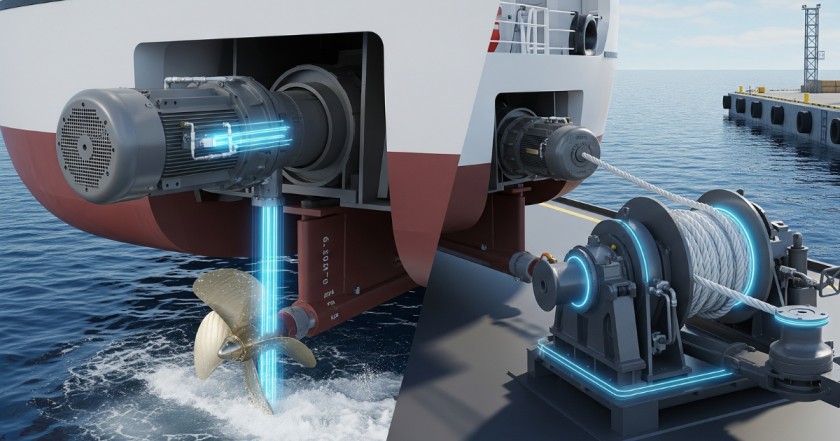
Marine hydrostatic transmissions rely on hydraulic motors to convert fluid pressure into mechanical torque, driving systems like propulsion, winches, or thrusters. These motors need to handle high torque, variable speeds, and corrosive saltwater conditions. The main types used in marine settings are axial piston motors, radial piston motors, and vane motors. Each has its strengths, but performance depends on factors like torque requirements, speed control, and durability. Let’s dive into which ones excel.
Axial Piston Motors: Precision and Power
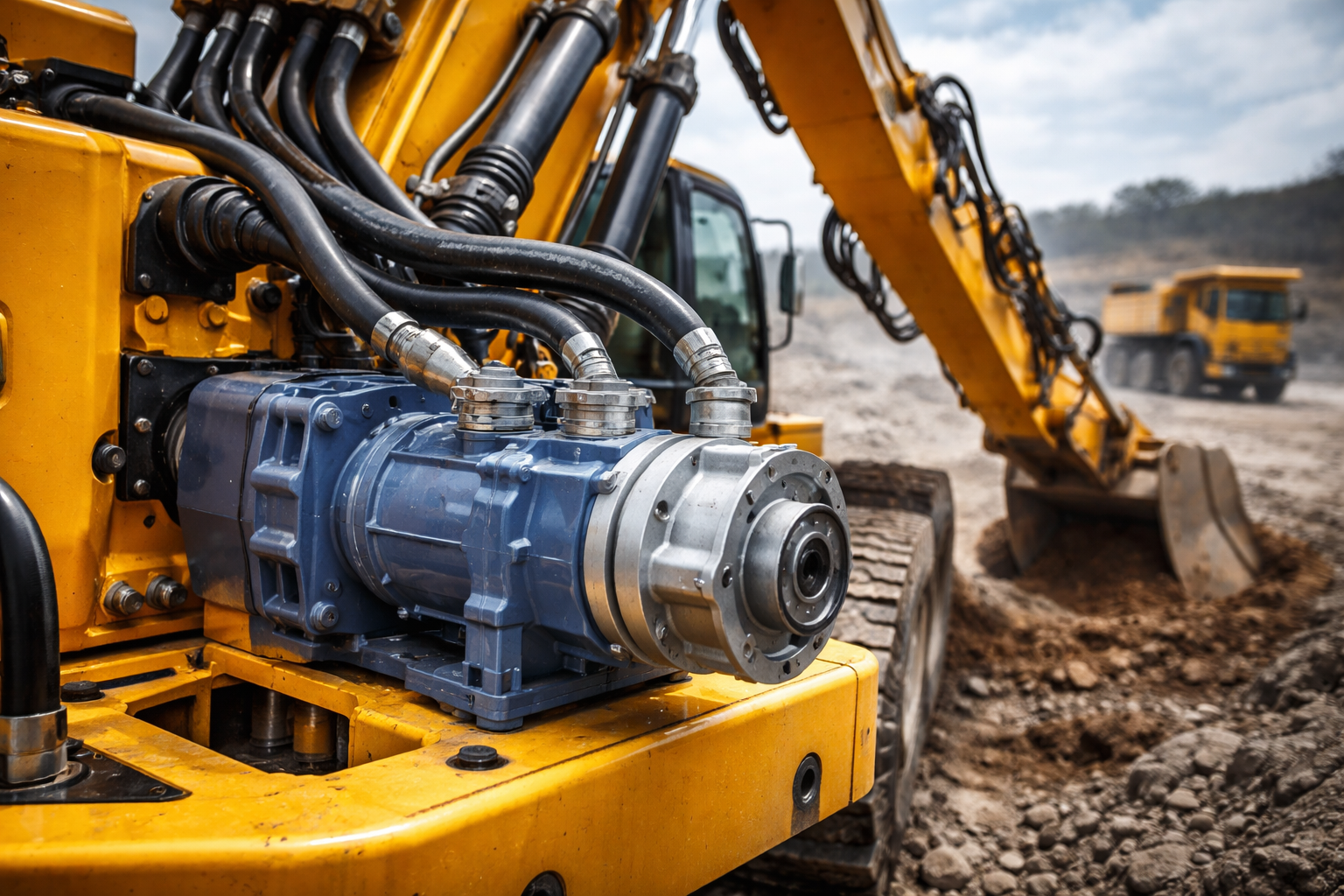
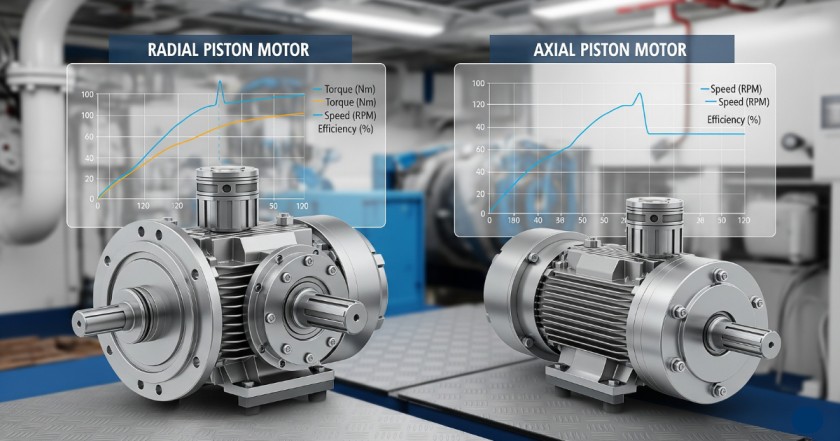
Axial piston motors, especially variable-displacement ones, are a top choice for marine hydrostatic transmissions. They offer high power density and precise speed control, perfect for tasks like propulsion or steering where accuracy is key. Models like the Parker V14 (110-160 cc, up to 480 bar) are designed for closed-circuit transmissions, delivering smooth performance at speeds up to 6,500 RPM.
Their compact design and ability to handle high-pressure marine conditions make them ideal for ferries or workboats. I’ve heard from vessel operators who praise their efficiency in demanding tasks, though they require regular maintenance to prevent fluid leaks.
Radial Piston Motors: High Torque for Heavy Loads
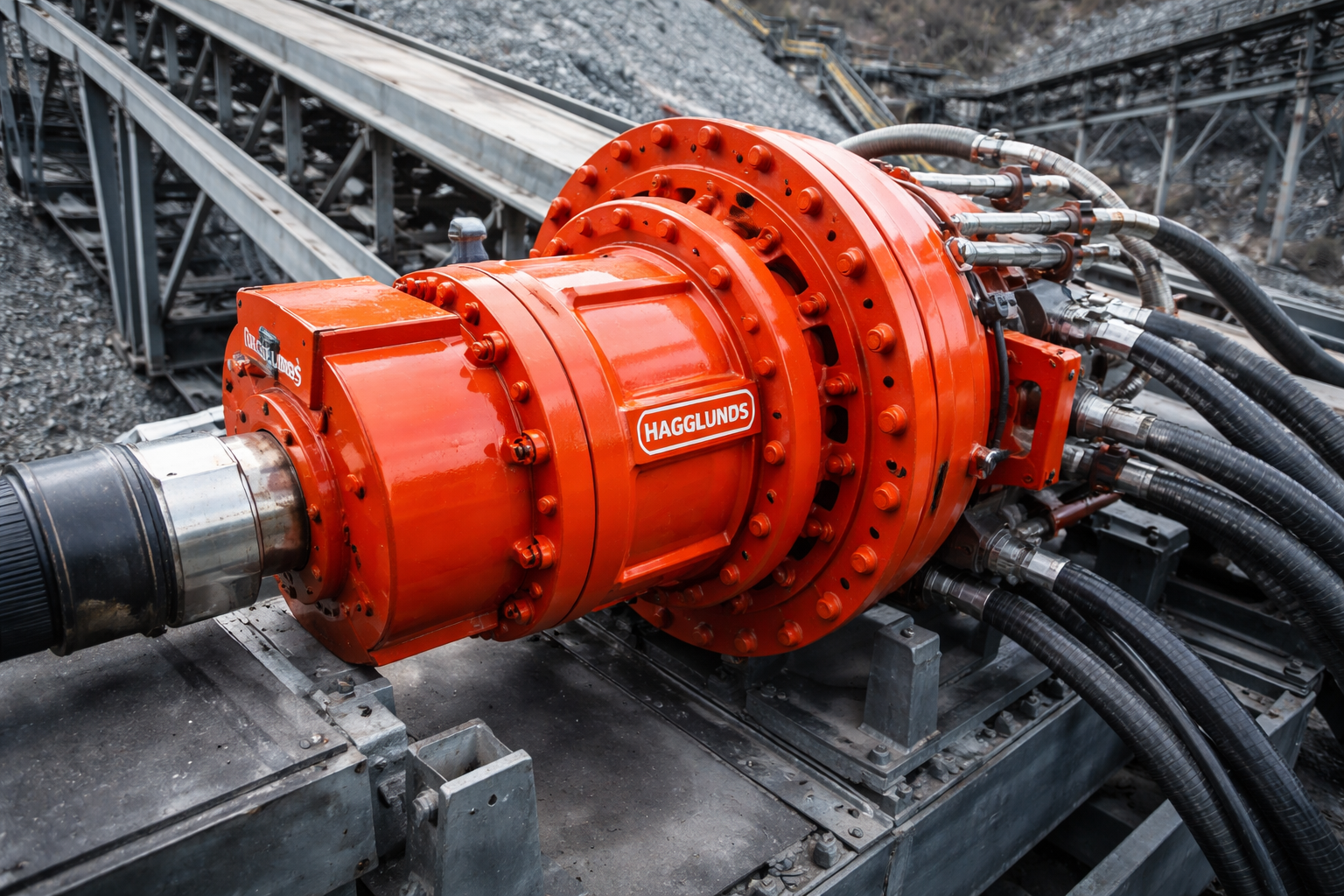
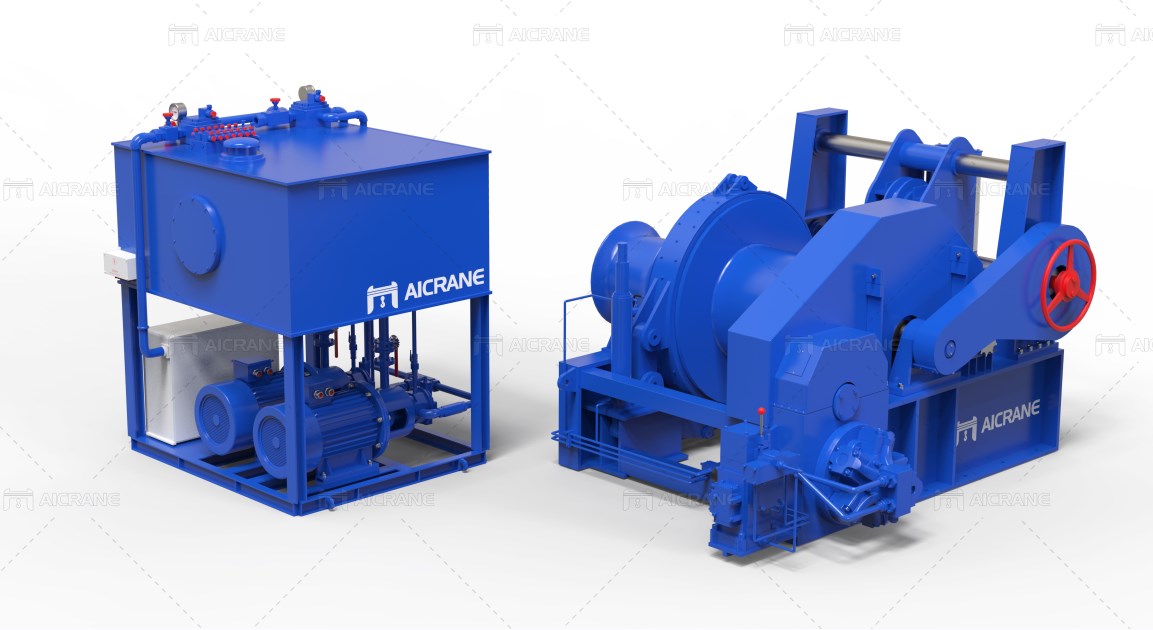
For applications needing massive torque at low speeds like anchor winches or heavy-duty deck machinery radial piston motors shine. The HMB series from GS Global Resources (188-11,600 cc) is built for rugged marine environments, offering high torque and low-speed stability.
These motors are less efficient at high speeds but excel in heavy-duty tasks, making them a go-to for offshore rigs. Their durability in harsh conditions, like saltwater exposure, is a big plus, though they’re bulkier than axial options.
Vane Motors: Compact and Cost-Effective
Vane motors, like those from Eaton, are simpler and more compact, suiting smaller vessels or auxiliary systems. They’re efficient at medium pressures and provide smooth operation for tasks like deck equipment. However, they’re less suited for high-torque or high-pressure applications compared to piston motors. They’re a budget-friendly option for businesses prioritizing cost over raw power, but their performance can lag in extreme marine conditions.
Which Motor Wins for Marine Hydrostatic Transmissions?
For most marine hydrostatic transmissions, axial piston motors like the Parker V14 or Kawasaki SB510 (970 Nm torque, 250 bar) offer the best balance of performance, efficiency, and versatility. Their variable displacement allows precise control, crucial for dynamic marine tasks, and their compact size fits tight vessel spaces.
For heavy-duty needs, radial piston motors like the HMB series are unbeatable for torque. Your choice depends on your vessel’s needs—propulsion favors axial, while winches lean radial.
Making the Right Choice
To pick the best motor, consider your vessel’s torque, speed, and space requirements, plus maintenance capacity. Axial piston motors generally lead for their flexibility and power, but radial options are key for heavy loads. Check out suppliers like Maritek Solutions, Parker, Kawasaki, or GS Global Resources for tailored solutions. In the rough seas of 2025, the right hydraulic motor keeps your marine business running smoothly.