

Lightning strikes represent a significant threat to commercial and industrial buildings, with the potential to cause catastrophic damage, disrupt operations, and pose safety hazards to personnel. An effective lightning protection system is not merely a regulatory requirement but a vital safeguard that preserves the integrity of your assets and ensures the safety of everyone within your facility. When lightning strikes, it can induce fires, electrical surges, and structural damage that may take years to repair and recover from. Therefore, understanding the importance of a well-designed lightning protection system is the first step toward making informed decisions that align with your specific risk profile and operational needs.
Implementing such a system involves more than just installing lightning rods; it encompasses a comprehensive approach that includes proper grounding, surge protection, and regular maintenance. A system that is correctly designed and maintained minimizes the risk of damage, reduces downtime, and enhances safety for employees and visitors alike. Recognizing the importance of lightning protection is not only about safeguarding physical assets but also about protecting your business reputation and ensuring compliance with safety standards, which can have legal and financial implications. Ultimately, a proactive approach to lightning safety reflects a commitment to responsible management and resilience in the face of natural hazards.
Assessing Your Business’s Lightning Risk Profile
Before selecting a specific lightning protection system, it is crucial to evaluate the unique risk factors associated with your business location and operational environment. This assessment involves analyzing geographic, climatic, structural, and operational variables that influence your vulnerability to lightning strikes. Geographic location plays a significant role; regions with frequent thunderstorms or high lightning activity require more robust protection measures. Elevated ground, open fields, or tall structures increase the likelihood of a lightning strike, necessitating a tailored approach to protection.
Furthermore, the nature of your business operations significantly impacts your risk profile. Facilities housing sensitive electronic equipment, hazardous materials, or critical infrastructure demand higher levels of protection to prevent operational disruptions and safety hazards. For instance, data centers, manufacturing plants, and chemical storage facilities often require specialized systems to prevent electrical surges and structural damage. Conducting a comprehensive risk assessment involves consulting meteorological data, analyzing site-specific features, and evaluating the vulnerability of your assets. This process helps prioritize safety measures, determine the appropriate level of protection, and avoid unnecessary expenditures on over-engineered solutions.
In addition, understanding the local building codes and standards that apply to your industry and region is essential. Some jurisdictions may have specific requirements for lightning protection, especially for high-risk facilities. A detailed risk profile provides the foundation for designing a system that is both effective and compliant, ensuring your business is resilient against lightning-related threats.
Types of Lightning Protection Systems
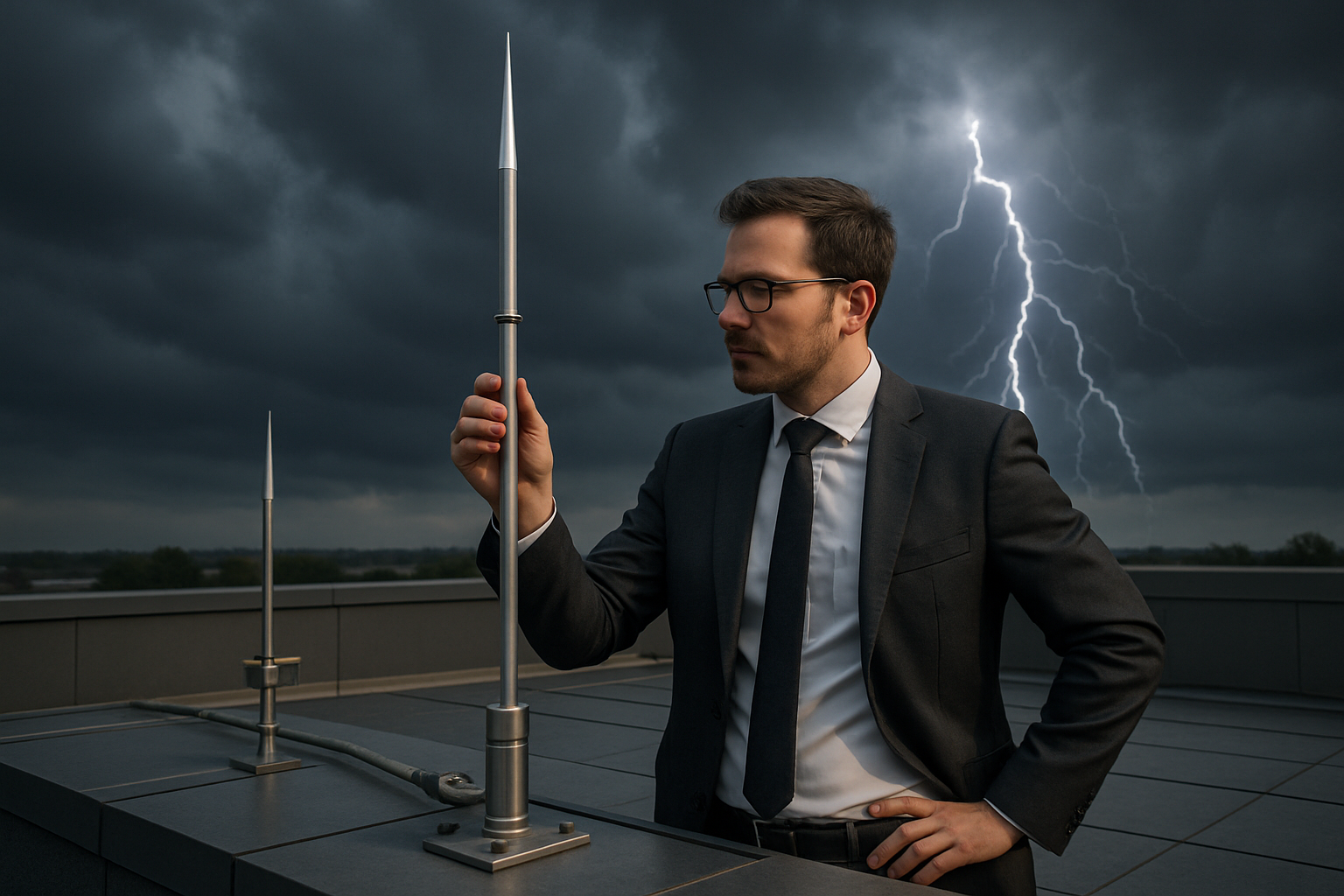
There are various types of lightning protection systems, each suited to different building types, risk levels, and operational needs. The most common components include air terminals, down conductors, grounding systems, and surge protectors. Air terminals, often called lightning rods, are installed at the highest points of a structure to intercept lightning strikes before they can cause damage. These devices provide a preferential pathway for the electrical discharge, safely directing it away from sensitive parts of the building.
Down conductors are essential for channeling the electrical energy from the air terminals safely down to the ground. They are typically made of conductive materials such as copper or aluminum and are strategically placed along the structure’s roof and walls to ensure continuous protection. Grounding systems disperse the electrical current into the earth, preventing buildup and potential electrical surges that could harm electrical systems and electronic devices within the building.
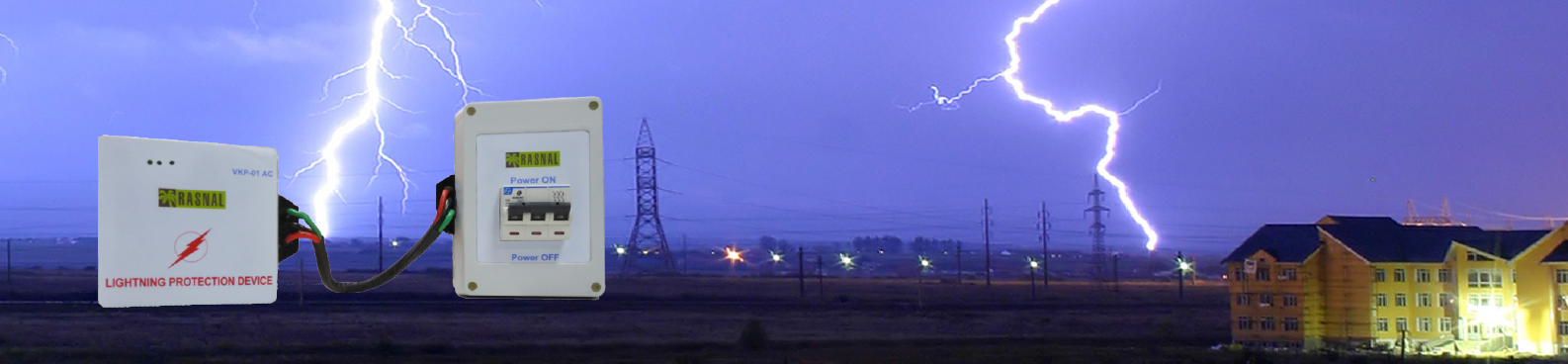
Surge protection devices (SPDs) are crucial complementary components that safeguard electrical and electronic systems from voltage surges caused by lightning strikes. These devices are installed at key points in your electrical distribution system and serve to clamp excess voltage, preventing damage to sensitive equipment. Understanding the roles and interplay of these components enables the design of a comprehensive lightning protection system that effectively minimizes risk, reduces damage, and ensures operational continuity.
Factors to Consider When Choosing a Lightning Protection System
Selecting the most appropriate lightning protection system involves careful evaluation of multiple critical factors. Structural characteristics of your building—such as size, height, design, and construction materials—directly influence the type and placement of protection components. For example, tall or uniquely shaped buildings may require specialized air terminals and grounding arrangements to ensure complete coverage. The local lightning activity and risk level also dictate the robustness and extent of the protection system needed; areas with intense thunderstorms demand more extensive and redundant solutions.
Compliance with relevant standards and regulations is non-negotiable. Standards such as NFPA 780 in the United States or IEC 62305 internationally provide detailed guidelines on system design, installation, and maintenance. Adhering to these standards is essential not only for safety but also for legal and insurance purposes. Cost considerations are equally important; while high-quality components and professional installation may involve higher initial expenses, they often result in significant savings by preventing damage, downtime, and liability issues in the long run.
Ease of maintenance and inspection should also influence your decision. A system that is difficult to access or inspect may lead to neglect, reducing its effectiveness over time. Therefore, selecting a system that allows straightforward inspection, testing, and repairs is vital for ongoing safety assurance. Balancing these factors—building characteristics, risk level, standards compliance, cost, and maintainability—will help you choose a lightning protection system that provides optimal safety and value for your business.
Designing a Customized Lightning Protection Solution
Effective lightning protection is not a generic solution; it requires a customized design tailored to your specific facility. This process involves a detailed analysis of your building’s blueprints, layout, and operational needs by qualified engineers and lightning protection specialists. Their expertise ensures that the system design addresses all risk factors while optimizing the use of components to achieve maximum coverage and safety.
The design process begins with strategic placement of air terminals at the highest points and along critical structural elements. Down conductors are then routed to ensure continuous and reliable electrical pathways to the grounding system, which must meet or exceed safety standards. Integrating surge protection devices into your electrical system enhances overall safety, especially for sensitive electronic equipment. The goal is to create a comprehensive, seamless system that minimizes vulnerabilities while considering aesthetic and functional aspects of your building.
A customized solution also considers future modifications or expansions. For example, if your facility plans to add new structures or upgrade existing ones, the lightning protection system should be adaptable to accommodate these changes without extensive rework. Collaborating with experienced professionals ensures that your lightning protection system is not only effective today but also resilient to future developments, providing long-term safety and operational continuity.
Compliance with Standards and Regulations
Adherence to established standards and regulations is fundamental for ensuring your lightning protection system’s safety, legality, and effectiveness. In the United States, NFPA 780 provides comprehensive guidelines on the design, installation, and maintenance of lightning protection systems. Internationally, IEC 62305 offers a detailed framework for risk assessment and system design. These standards specify the minimum requirements for components, installation practices, testing, and ongoing maintenance, ensuring that your system performs reliably during a lightning event.
Compliance with these standards also helps you avoid legal liabilities and insurance issues that could arise from non-conforming installations. Regular inspections, certifications, and documentation are essential to verify ongoing adherence, especially after structural modifications, severe weather events, or system upgrades. Working with certified professionals who are familiar with these standards ensures that your system is compliant and capable of providing the intended level of protection. Ultimately, standards compliance is a cornerstone of a safe, reliable lightning protection strategy that safeguards your business assets and personnel.
Cost Considerations and Budgeting
Investing in a lightning protection system involves balancing safety priorities with budget constraints. While high-quality components and professional installation may require a significant initial expenditure, the costs associated with lightning damage—such as equipment loss, operational downtime, and safety liabilities—can be far greater. It is essential to view lightning protection as a long-term investment that provides substantial savings and risk mitigation over time.
Cost-effective solutions often involve phased implementation, starting with high-risk areas and gradually expanding coverage as budget allows. Prioritizing critical infrastructure and electronic systems ensures that the most vulnerable assets are protected first. Consulting with specialists can help identify the most efficient options that meet safety standards without unnecessary overspending. Remember, a well-designed system that balances cost and safety offers peace of mind, reduces potential liabilities, and enhances your overall business resilience.
Maintenance and Inspection of Your Lightning Protection System
Maintaining your lightning protection system is vital to ensure it remains operational and effective over its lifespan. Regular inspections should be scheduled to identify corrosion, loose connections, damaged components, or grounding issues. Post-storm assessments are equally important to detect any damages caused by lightning strikes or severe weather. Proper maintenance not only prolongs the system’s lifespan but also guarantees optimal performance during a lightning event.
Standards recommend annual inspections by certified professionals, with detailed documentation of findings and repairs. This ongoing maintenance plan includes cleaning, testing, and replacing worn or damaged parts to prevent failures. Well-maintained systems provide confidence that your protection measures will perform as intended, minimizing the risk of damage and ensuring safety for your personnel and assets. Establishing a routine inspection and maintenance schedule is a proactive step toward resilient and reliable lightning protection for your business.
The Role of Professional Consultation and Installation
The complexity of designing and installing an effective lightning protection system underscores the importance of engaging qualified professionals. Certified engineers and experienced installers possess the technical knowledge necessary to develop tailored solutions that meet safety standards and local regulations. Proper installation is critical; even the most advanced components can fail if not correctly positioned and connected. Reputable professionals also assist with obtaining permits, conducting inspections, and certifying the system’s compliance.
Partnering with experts simplifies the process, reduces the risk of errors, and ensures that your lightning protection system provides maximum safety. Their guidance helps you navigate the technical, regulatory, and logistical challenges involved in system design and installation. Ultimately, investing in professional consultation and installation guarantees that your lightning protection system is robust, reliable, and compliant, providing peace of mind and long-term security for your business assets and personnel.
Conclusion: Making an Informed Decision for Your Business
Choosing the right lightning protection system for your business is a critical decision that requires a comprehensive understanding of your unique risk profile, building characteristics, and safety standards. It involves careful assessment, customized design, and ongoing maintenance to ensure continuous protection. Although the process may seem complex, partnering with qualified professionals and thoroughly evaluating your options will lead to a solution that effectively safeguards your assets, employees, and operations against lightning threats.
Remember, investing in a reliable lightning protection system is not merely a safety measure; it is a strategic decision that enhances your business resilience. By prioritizing safety, compliance, and cost-effectiveness, you can mitigate risks, reduce potential damages, and ensure the continuity of your operations even in the face of unpredictable natural events. In the end, a well-implemented lightning protection system is an essential component of responsible business management and long-term success.