






The world of professional speaking has changed forever. When the pandemic forced events online, many thought virtual keynote speakers were just a temporary fix. But here we are in 2025, and virtual keynote speakers have become a permanent part of how we share knowledge and inspiration.
This shift isn't going away anytime soon. In fact, it's getting stronger. Let's explore why virtual keynote speakers are here to stay and how they're reshaping the speaking industry for good.
The Numbers Don't Lie: Virtual Events Are Thriving
The statistics tell a compelling story. According to recent industry research, 78% of event planners now prioritize speakers who can effectively deliver both in-person and virtual/hybrid presentations. This represents a massive shift from pre-pandemic times when virtual speaking was barely on the radar.
Even more impressive is the market growth. The global market for virtual events is expected to reach USD 1,066 billion by 2032. That's not just growth – that's explosive expansion that shows virtual events aren't going anywhere.
What's really interesting is how audience preferences have evolved. Nearly 43% of marketers find it challenging to adapt event formats for virtual settings, yet almost 91% of companies surveyed say their virtual events are successful. This means organizations are figuring out how to make virtual events work, and they're seeing real results.
Why Businesses Love Virtual Keynote Speakers
The business case for virtual keynote speakers is stronger than ever. Companies are discovering benefits they never expected when they first went virtual out of necessity.
Cost savings remain the biggest draw. Organizations can bring in world-class speakers without paying for travel, accommodations, or venue costs. This means they can afford higher-caliber speakers than they might have been able to book for in-person events.
Global reach is another game-changer. When geography isn't a barrier, companies can access the perfect speaker for their audience, regardless of location. A tech company in California can easily book a blockchain expert from Singapore or a leadership guru from London.
The flexibility factor can't be ignored either. Almost 67% of businesses believe hybrid events are more beneficial. This flexibility allows organizations to adapt quickly to changing circumstances while still delivering value to their audiences.
The Audience Experience Has Improved Dramatically
Remember those early virtual events that felt like watching paint dry? Those days are long gone. Today's virtual keynote speakers have mastered the art of digital engagement.
Modern virtual presentations use interactive technology that actually enhances the experience. Speakers can conduct live polls, break audiences into virtual networking rooms, and use multimedia in ways that aren't possible in traditional auditoriums.
The convenience factor for attendees is huge. According to 67% of virtual event attendees, the top benefit of these events is that they are easy to attend. People can join from anywhere, there's no travel time, and they can often access recordings later if they miss something important.
This accessibility has opened doors for people who previously couldn't attend events. Parents with young children, professionals with mobility challenges, and individuals in remote locations can now access the same high-quality content as everyone else.
Technology Made Virtual Speaking Better Than Ever
The pandemic accelerated virtual event technology by years, maybe even decades. What we have now would have seemed impossible just five years ago.
Professional production quality is now standard. Virtual keynote speakers work with high-end cameras, professional lighting, and broadcast-quality audio that rivals television production. The days of grainy video calls are over.
AI-powered features are making virtual events smarter. Automated captions, real-time language translation, and intelligent networking suggestions help create more inclusive and engaging experiences for all attendees.
Interactive elements keep audiences engaged throughout the presentation. Features like virtual hand-raising, live Q&A feeds, and breakout rooms create participation levels that often exceed what's possible in large in-person venues.
Hybrid Events: The Best of Both Worlds
Perhaps the most exciting development is the rise of hybrid events that combine virtual and in-person elements. A significant 77.2% of respondents cite the ease of attendance as a primary factor, demonstrating the value of convenience in increasing participation.
Hybrid events let keynote speakers reach maximum audiences. Some people attend in person for the full experience, while others join virtually for convenience. 59.5% of event planners who were interviewed stating that they intend to hold hybrid events moving forward.
This format also provides incredible data collection opportunities. Organizations can gather detailed analytics on virtual attendees while still maintaining the energy and networking opportunities that come with in-person gatherings.
Virtual Speakers Offer Greater Flexibility
The scheduling advantages of virtual keynote speakers are remarkable. Without travel constraints, speakers can potentially address multiple events in a single day or accommodate last-minute changes more easily.
This flexibility extends to content customization too. Virtual speakers can more easily tailor their presentations for specific audiences, incorporate real-time feedback, and adapt their message based on live audience reactions visible through chat and polling features.
Time zone considerations actually work in favor of virtual events. A speaker in New York can easily present to a morning audience in Tokyo, an afternoon crowd in London, and an evening gathering in Los Angeles – all in the same day.
The Speaking Industry Has Adapted and Thrived
Professional speakers have risen to the virtual challenge in impressive ways. Many have invested heavily in home studios, lighting equipment, and presentation skills specifically designed for virtual audiences.
Content delivery techniques have evolved to match the medium. Virtual keynote speakers now use shorter segments, more visual elements, and increased interaction to keep online audiences engaged. They understand that virtual attention spans work differently than in-person ones.
The most successful virtual speakers have also learned to leverage chat features and real-time feedback in ways that actually enhance their message delivery. They can address specific audience questions immediately and adjust their presentation based on live sentiment.
Cost-Effectiveness Drives Continued Adoption
The economics of virtual keynote speakers make sense for organizations of all sizes. 49% say these events require low cost to attend, which benefits both organizers and attendees.
For many organizations, virtual events have democratized access to top-tier speakers. Companies that previously could only afford local speakers can now book internationally recognized experts for the same budget.
The return on investment for virtual events is often higher than in-person equivalents. With lower overhead costs and the ability to accommodate larger audiences, organizations see better financial outcomes from their speaker investments.
Looking Ahead: The Future is Virtual-First
As we move further into 2025, the trend is clear: virtual keynote speakers aren't just here to stay – they're becoming the preferred option for many events. A huge 99% of companies surveyed say webinars are an important part of their marketing strategy.
Innovation continues in the virtual events space. Developments in virtual reality, artificial intelligence, and interactive technology promise to make virtual presentations even more engaging and immersive.
The global talent pool available to event organizers has expanded exponentially. Geographic boundaries no longer limit speaker selection, leading to more diverse perspectives and specialized expertise in virtual events.
Most importantly, audiences have embraced the format. What started as a necessity has become a preference for many attendees who appreciate the convenience, accessibility, and often superior technology experience that virtual events provide.
Conclusion
The shift to virtual keynote speakers represents more than just an adaptation to pandemic restrictions – it's a fundamental evolution in how we share knowledge and inspiration. With proven benefits in cost-effectiveness, accessibility, global reach, and audience engagement, virtual speaking has earned its permanent place in the events industry.
Organizations that embrace virtual keynote speakers position themselves to access better talent, reach wider audiences, and deliver more value to their participants. As technology continues to improve and audiences become even more comfortable with virtual experiences, this trend will only strengthen.
The question isn't whether virtual keynote speakers will remain relevant – it's how quickly organizations will fully embrace this powerful tool for education, inspiration, and connection.




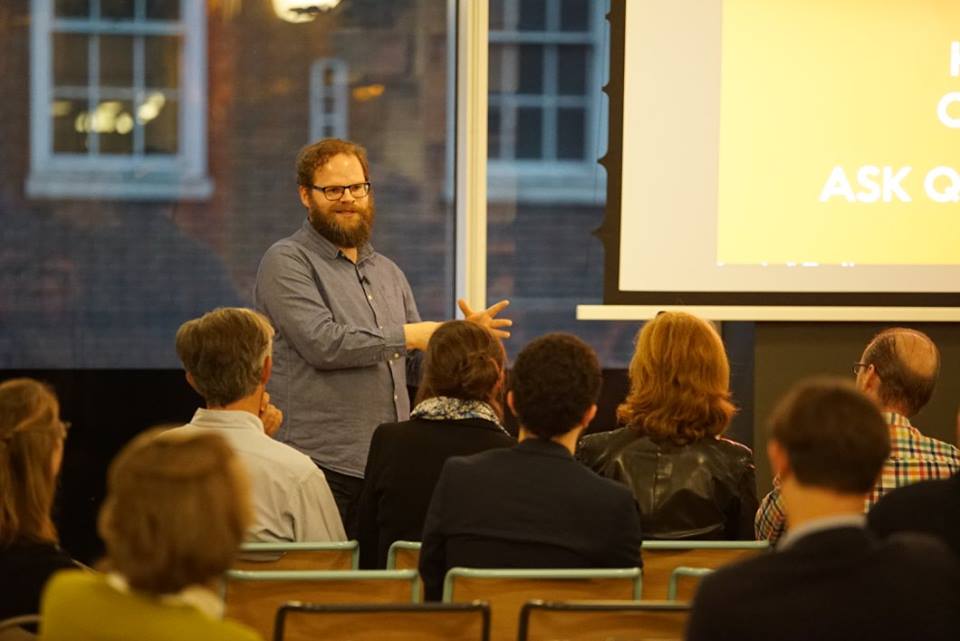
For any event to be a success, the organizers of the event must take time to determine the right personalities to address the group they are reaching out to.
They must invest the necessary resources to ensure that they offer respectable speakers to their audience.Chartwell Speakers is an organization that was established in 2007 to meet the needs of event organizers in terms of the personalities to speak at their events.
Our organization allows you to book best keynote speakers on different topics for your event according to their availability.
A few notable examples are Tom Avery, Paul Azinger and Usain Bolt.We also have after dinner speakers who are specialists on business, the economy, motivation, current events and technological trends among other topics.
For conferences, we offer you respectedbusiness speakers such as Joe Boyd and Paul Dolan, leadership speakers such as Chris Brady and Sandra Dawson, and TED speakers available for global conferences, award ceremonies and corporate events such as ChimamandaNgoziAdichie, Richard Branson and Robert Kiyosaki.In addition to the aforementioned speakers, we have economics keynote speakers such as Miranda Brawn, Gordon Brown and Vince Cable.
Diversity and equality speakers range from Erica Baker, Majora Carter and Daymond John.
If you try to order batteries over Alexa, it's going to sell you Amazon Basics batteries.
It's not going to sell you Duracell or Energizer because they're betting that the ease and ubiquity of ordering without ever pulling a phone out of your pocket trumps the value of a multibillion dollar brand and you know what they may be right.
I'd rather order from this device versus having to look up a brand, even having to pick up my phone.February 14, 2019