The **Mass Timber market** is transforming modern construction by offering a sustainable, high-performance alternative to traditional building materials like steel and concrete. Mass timber, which includes engineered wood products such as cross-laminated timber (CLT), glued laminated timber (glulam), and dowel-laminated timber (DLT), is gaining traction for its structural strength, aesthetic appeal, and lower environmental impact. **The Mass Timber market was valued at USD 1,185 Million in 2024 and is projected to grow to USD 1,814 Million by 2030**, with a **compound annual growth rate (CAGR) of 7.4% from 2025 to 2030**.
Market Drivers: Sustainability and Construction Efficiency
Key **Mass Timber market drivers** include the increasing focus on reducing carbon emissions in the construction sector and the growing adoption of green building certifications like LEED and BREEAM. Mass timber offers a lower carbon footprint, faster construction times, and excellent thermal performance, making it a top choice for eco-conscious developers and architects.
As the global population grows and urbanization accelerates, there’s rising pressure to build more housing and commercial infrastructure—quickly and sustainably. This positions the **Mass Timber industry** as a major contributor to future-ready urban development.
Mass Timber Market Trends and Innovations
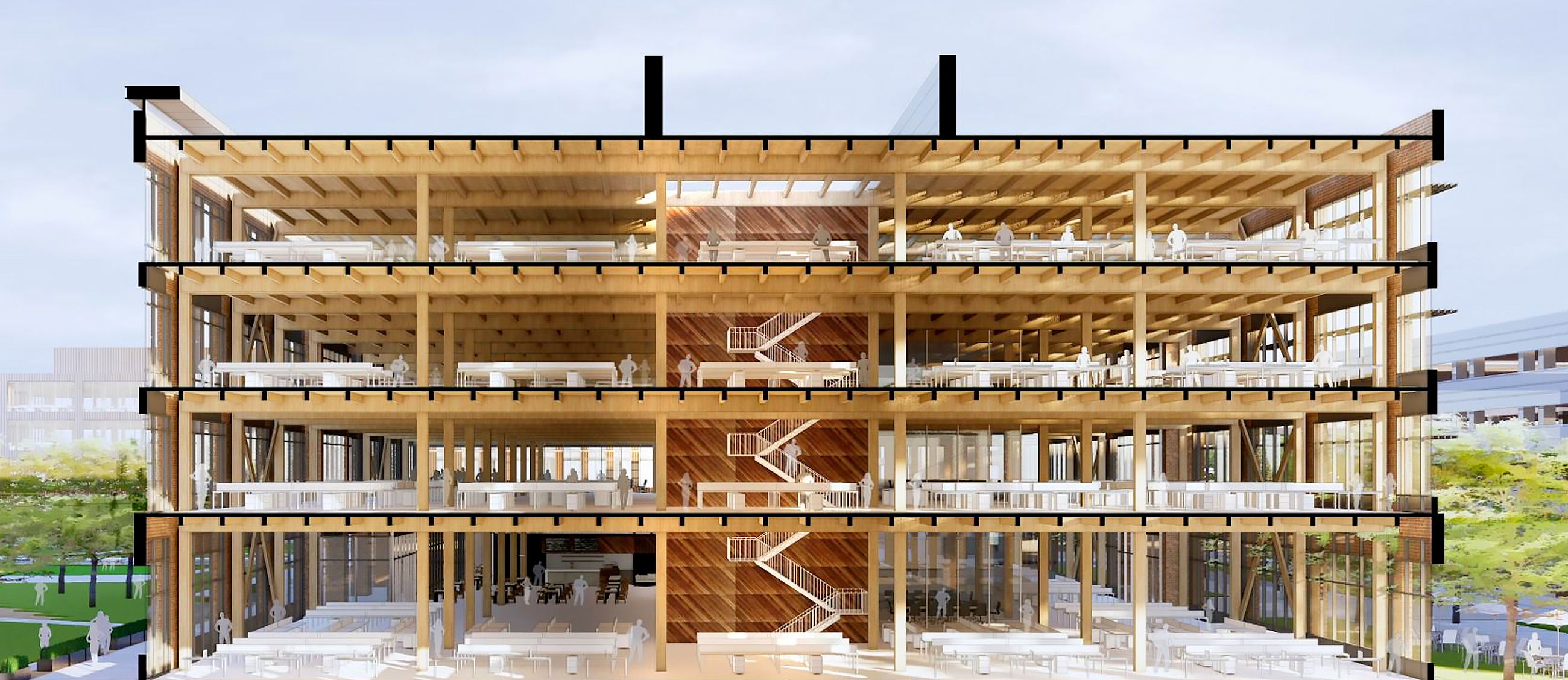
One of the most prominent **Mass Timber market trends** is the increasing use of timber in mid-rise and high-rise buildings, particularly in North America and Europe. Recent innovations in fire-resistant coatings and seismic performance have dispelled many traditional concerns about using wood in large structures.
According to the latest **Mass Timber market analysis**, cross-laminated timber (CLT) dominates the market due to its high strength-to-weight ratio and versatility. Builders are also incorporating mass timber in hybrid constructions—combining it with steel or concrete to optimize design and performance.
The **Global Mass Timber market** is seeing rapid adoption in countries like Canada, the U.S., Germany, and the Nordics. However, the Asia-Pacific region is emerging as a strong growth frontier, driven by increasing sustainability initiatives and rising demand for green buildings.
Market Restraints and Challenges
Despite its growing popularity, the **Mass Timber market** faces several **market restraints**. These include limited awareness among stakeholders, high upfront costs compared to traditional materials, and regulatory barriers in some regions. Additionally, supply chain limitations and the need for specialized labor can impact project timelines and costs.
However, these challenges are gradually being addressed through industry education, supportive policies, and advancements in prefabrication technologies.
Market Forecast and Future Opportunities
The **Mass Timber market forecast** indicates sustained growth fueled by a combination of policy support, innovation, and shifting preferences toward sustainable building practices. There’s a substantial **Mass Timber market opportunity** in replacing carbon-intensive materials in both new construction and retrofitting projects.
Conclusion
The **Mass Timber market study** highlights a sector at the forefront of sustainable construction. As architects, developers, and governments increasingly prioritize environmental impact, the **Mass Timber market size** is expected to expand significantly in the coming years.
With its strong environmental credentials, improved performance capabilities, and growing market adoption, mass timber is no longer a niche product—it’s a core part of the **Mass Timber industry trends** shaping the future of construction.