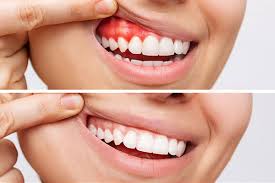
When it comes to oral health, most people think of cavities, tooth sensitivity, or whitening treatments. However, gum health is just as important, if not more critical, for long-term well-being. Gum disease, also known as periodontal disease, is a common yet serious condition that affects millions of adults worldwide. Visiting a qualified gum specialist in Bellefonte, PA, can make a significant difference in preventing complications and protecting your overall health.
In this blog, we’ll explore why early detection of gum disease matters, the risks of ignoring symptoms, and how timely periodontal disease treatment can safeguard not just your teeth, but your total body health.
Understanding Gum Disease
Gum disease develops when plaque—a sticky film of bacteria—is not properly removed through brushing and flossing. Over time, plaque hardens into tartar, irritating the gums and leading to infection.
The two main stages include:
Gingivitis – The early stage of gum disease. Symptoms often include red, swollen, and bleeding gums. This stage is reversible with professional cleaning and improved oral hygiene.
Periodontitis – The advanced stage, where infection affects the bone and supporting structures of the teeth. Gums begin to recede, pockets form around the teeth, and tooth loss can occur without timely treatment.
Many individuals don’t realize they have gum disease until it has already advanced. That’s why early detection and visiting a gum specialist in Bellefonte PA is so important.
Why Early Detection Matters?
Prevents Tooth Loss
The number one cause of adult tooth loss is periodontal disease. By detecting and treating gum disease early, you can protect your natural teeth for decades to come. Once teeth are lost, replacement with implants or dentures becomes more complex and costly.
Reduces Long-Term Treatment Costs
Early-stage gingivitis can often be managed with professional cleanings and better oral care at home. However, advanced periodontitis may require surgical procedures, bone grafts, or deep scaling. By addressing the condition early with periodontal disease treatment, patients save money and avoid invasive therapies.
Protects Overall Health
Research consistently links gum disease to serious health issues beyond the mouth, such as:
a. Heart disease and stroke
b. Diabetes complications
c. Respiratory infections
d. Premature births or low birth weight in pregnancy
When bacteria from infected gums enter the bloodstream, they can trigger systemic inflammation, impacting vital organs. This makes early gum disease detection a key part of protecting your whole-body health.
Improves Quality of Life
Gum disease isn’t just a silent condition—it often comes with halitosis (persistent bad breath), gum sensitivity, and difficulty eating. Prompt treatment restores confidence in your smile and makes daily activities more comfortable.
Signs and Symptoms of Gum Disease You Shouldn’t Ignore
Recognizing the signs of gum disease is crucial for early intervention. Common warning indicators include:
a. Persistent bad breath or bad taste in the mouth
b. Red, swollen, or tender gums
c. Bleeding gums during brushing or flossing
d. Receding gums, making teeth look longer
e. Loose or shifting teeth
f. Gum pockets that trap food
If you experience any of these symptoms, don’t wait—schedule an appointment with a trusted gum specialist in Bellefonte, PA to receive a professional evaluation.
The Role of a Gum Specialist in Bellefonte, PA
A periodontist is a dental professional who specializes in diagnosing, preventing, and treating gum disease. By visiting a gum specialist in Bellefonte, PA, patients receive personalized care tailored to the severity of their condition.
Typical services include:
a. Comprehensive gum health exams
b. Scaling and root planing (deep cleaning)
c. Surgical and non-surgical periodontal therapies
d. Regenerative procedures to restore bone and tissue
e. Maintenance programs to prevent recurrence
A gum specialist not only stops disease progression but also helps educate patients about proper oral care techniques to support long-term success.
Periodontal Disease Treatment Options
For those already experiencing gum problems, several effective treatments are available depending on the stage of the disease.
1. Non-Surgical Treatments
Scaling and Root Planing: A deep cleaning to remove plaque and tartar from below the gumline.
Antibiotics: Localized treatments to fight infection in gum pockets.
2. Surgical Treatments
Flap Surgery: Helps reduce deep gum pockets and remove bacteria.
Bone Grafts: Regenerates lost bone structure caused by periodontal disease.
Soft Tissue Grafts: Restores damaged gum tissue.
3. Maintenance Care
After treatment, periodontal maintenance is necessary to ensure the disease does not return. Patients usually return every 3–4 months for check-ups and cleanings.
When performed early, periodontal disease treatment isn’t just about saving teeth—it’s about preserving long-term wellness.
The Connection Between Gum Health and General Health
The mouth is often called the gateway to the body, and gum disease serves as a reminder of how oral health and systemic health are closely intertwined. Here are some of the established connections:
Cardiovascular Health: Studies suggest bacteria from gum infections can contribute to clogged arteries and heart conditions.
Diabetes Management: Gum inflammation makes it harder to control blood sugar, creating a two-way relationship between periodontal disease and diabetes.
Pregnancy Risks: Untreated gum disease is linked to premature labor and complications during pregnancy.
Cognitive Health: Some studies find associations between advanced gum disease and cognitive decline, including Alzheimer’s risk.
Identifying gum disease early is one of the easiest steps individuals can take for preventive healthcare.
Tips for Preventing Gum Disease at Home
While professional care is essential, maintaining daily oral health habits reduces your risks significantly. Some preventive tips include:
- Brush your teeth twice daily with fluoride toothpaste
- Floss or use interdental brushes to clean between teeth
- Rinse with an antibacterial mouthwash
- Avoid sugary snacks and drinks that encourage bacterial growth
- Replace your toothbrush every 3–4 months
- Schedule regular dental checkups, ideally every six months
Consistency is key. Paired with the expertise of a gum specialist in Bellefonte, PA, these habits support lifelong oral health.
Why Bellefonte Residents Trust Local Gum Specialists
Dental health needs can vary from person to person, but one thing remains certain: local expertise makes treatment more accessible and convenient. Local gum specialists in Bellefonte, PA, are committed to providing compassionate, advanced care designed to stop gum disease in its tracks while focusing on patient comfort.
Whether you require preventive care or advanced periodontal disease treatment, seeking local expertise ensures you receive customized solutions tailored to your lifestyle.
Final Thoughts
Gum disease may start silently, but it doesn’t have to end in tooth loss, systemic health complications, or costly treatments. Early detection makes all the difference. By acting quickly at the first signs of gum problems and scheduling an appointment with a qualified gum specialist in Bellefonte, PA, patients can preserve not only their smile but also their long-term health.
Through awareness, prevention, and high-quality periodontal disease treatment, you can protect your future health—one smile at a time.

Hiring the best periodontist in West Chester PA to treat this dental problem will help you to smile back again in a quick time.
The periodontist offers special treatment in their dental center to save the bones and gum tissues.GingivitisAs this Gingivitis problem seems very mild, most of the patients are not aware of this in the first stage.
These gum diseases occur in the mouth due to the increased amount of toxins in plaque which leads to the harmful periodontal disease.
Adults are less prone to this gum disease.
If you find a small or big inflammation below the gum region, then it means the Chronic periodontal disease is starting to develop in your mouth region.
People affected with this disease might think they are having the big length teeth, but the reality is gums start to recess slowly from inside.Aggressive Periodontal DiseaseWhen a patient loses his gum attachment, then it means he/she gets affected by the Aggressive periodontal disease.

When searching for the best periodontist in Arlington, trust your periodontal health to Dr. Kohli.
She offers the convenience of full periodontal treatment at the Columbia Pike Family office without referring patients to another practice.
Schedule your appointment today at (571) 312-4111.