Natural mosquito control
Mosquitoes are far more than mere nuisances; they are vectors of some of the most serious health threats facing communities today. Diseases such as West Nile virus, Zika, dengue fever, and chikungunya are transmitted by mosquitoes, making effective control strategies essential for safeguarding public health. As awareness grows about the detrimental effects of chemical-based mosquito control methods—both on human health and the environment—many residents, environmental groups, and local authorities in Massachusetts are increasingly turning to natural mosquito control strategies. These approaches emphasize ecological balance, biological methods, and community participation to manage mosquito populations sustainably and safely.
Natural mosquito control involves a deep understanding of the mosquito lifecycle, which includes the egg, larva, pupa, and adult stages. Effective management targets these stages at various points to disrupt the cycle and reduce the number of adult mosquitoes capable of biting and transmitting diseases. One of the most widely used biological agents in natural mosquito control is Bacillus thuringiensis israelensis (Bti), a naturally occurring bacterium that specifically targets mosquito larvae when applied to standing water. This biological larvicide is safe for humans, pets, and beneficial insects, making it an ideal eco-friendly solution. When applied correctly, Bti can significantly diminish mosquito populations by preventing larvae from developing into biting adults.
In addition to biological agents, planting native vegetation that naturally repels mosquitoes can be an effective strategy. Plants such as citronella, lavender, marigolds, and lemon balm emit scents that mosquitoes find unattractive, thereby reducing their presence around homes and gardens. These plants not only serve as natural deterrents but also enhance local biodiversity and contribute to a healthier ecosystem. Creating mosquito-unfriendly landscapes involves removing or managing standing water, which is a primary breeding site for mosquitoes. Regularly emptying or aerating stagnant water in birdbaths, gutters, flowerpots, and discarded tires can drastically reduce mosquito breeding grounds.
Community involvement is vital for the success of natural mosquito control efforts. Educating residents on the importance of eliminating stagnant water, maintaining clean gutters, and managing landscaping to prevent water accumulation can have a profound impact. Personal protective measures such as wearing long sleeves, using natural repellents derived from essential oils, and avoiding outdoor activities during peak mosquito hours further enhance individual safety. These community-driven initiatives foster a collective responsibility for mosquito management, creating healthier, safer neighborhoods in Massachusetts. Overall, natural mosquito control is an integrated, sustainable approach that balances ecological health with public safety, making it an ideal choice for environmentally conscious communities.
Eco friendly mosquito control
Eco-friendly mosquito control methods are designed to minimize environmental impact while effectively reducing mosquito populations, especially in ecologically sensitive areas. Mosquito control company in Massachusetts, where preserving natural landscapes and biodiversity is a priority, adopting eco-friendly strategies is essential for sustainable living and public health. These methods focus on biological, physical, and behavioral interventions that work in harmony with nature rather than against it.
One of the most effective eco-friendly techniques is the introduction of natural predators into water bodies. Fish species such as Gambusia affinis, commonly known as mosquito fish, are voracious larvae eaters that can be introduced into ponds, rain barrels, and other standing water sources. These fish are a sustainable, chemical-free solution that continuously patrols breeding sites, significantly reducing mosquito larvae without harming other aquatic life or polluting water sources.
Habitat modification is another critical component of eco-friendly mosquito control. This involves altering or managing water sources to prevent mosquito breeding. Draining stagnant pools, filling in low-lying areas prone to water accumulation, and installing proper drainage systems are practical steps that reduce standing water. Aeration of ponds and water features can also disrupt mosquito breeding by increasing oxygen levels and preventing stagnant conditions.
Botanical repellents and oils derived from natural sources further enhance eco-friendly control efforts. These substances, such as citronella oil, eucalyptus oil, and neem oil, can be applied to outdoor spaces or used in diffusers to repel mosquitoes without harming beneficial insects like bees and butterflies. Using wind barriers, such as fans or dense vegetation, can also disperse mosquito populations and make outdoor environments less attractive to these pests.
By embracing eco-friendly mosquito control practices, Massachusetts communities can protect their residents from mosquito-borne illnesses without compromising the health of local ecosystems. These methods promote a sustainable coexistence with nature, ensuring that mosquito management efforts do not lead to unintended ecological consequences. They also foster community awareness and participation, which are vital for long-term success in mosquito control.
Environmentally friendly mosquito control
Environmentally friendly mosquito control extends beyond simple pest management to encompass a holistic approach that prioritizes ecological integrity, biodiversity, and sustainable practices. In Massachusetts, where the natural environment is a treasured asset, adopting environmentally friendly strategies is crucial for balancing public health needs with ecological preservation.
Traditional chemical pesticides, while effective in the short term, pose significant risks to water quality, non-target species, and overall ecosystem health. These chemicals can contaminate groundwater, harm beneficial insects like pollinators, and contribute to the development of pesticide-resistant mosquito populations. To counter these issues, environmentally friendly approaches emphasize biological control agents, habitat management, and community engagement.
Biological control agents such as Bti are highly specific to mosquito larvae and have minimal impact on other aquatic organisms. These biological solutions are applied precisely to breeding sites, ensuring targeted control without disrupting the broader aquatic ecosystem. Habitat management involves modifying landscapes to make them less attractive for mosquito breeding. This includes filling in stagnant pools, improving drainage, and designing landscapes that do not retain water for extended periods.
Community education and participation are integral to environmentally friendly mosquito control. Residents are encouraged to regularly inspect their properties for standing water, clean gutters, and manage landscaping to prevent water accumulation. Promoting the use of natural repellents and protective clothing further reduces individual exposure to mosquito bites. Public health agencies often run awareness campaigns to reinforce these practices, fostering a culture of shared responsibility.
Implementing these eco-conscious practices ensures that mosquito control efforts align with Massachusetts’ commitment to environmental stewardship. The benefits extend beyond disease prevention, contributing to healthier ecosystems, safeguarding biodiversity, and preserving the natural beauty of the state for future generations. Sustainable mosquito control is not merely a short-term fix but a long-term investment in ecological health and community resilience.
Understanding mosquito control
Effective mosquito control hinges on a comprehensive understanding of mosquito biology, behavior, and ecology. Mosquito control company in Norfolk, where seasonal variations influence mosquito activity, a nuanced approach that integrates scientific knowledge with community participation is essential for successful management.
Mosquito control begins with identifying breeding sites, which are typically stagnant water sources such as ponds, marshes, clogged gutters, and discarded containers. These sites provide the ideal environment for mosquito larvae to develop. Once identified, targeted interventions—such as larviciding—can be employed to prevent larvae from maturing into adult mosquitoes capable of biting and transmitting disease.
Monitoring and surveillance are critical components of mosquito control. Public health agencies utilize trapping and testing programs to track mosquito populations and identify the presence of disease-carrying species. This data allows for proactive responses, such as targeted larviciding or public advisories during peak activity seasons.
Adult mosquito control methods, including fogging or spraying, are generally reserved for high-risk situations due to their environmental impact. Instead, integrated mosquito management combines habitat modification, biological control, personal protective measures, and community education to achieve sustainable results. This approach emphasizes reducing mosquito populations at their source, minimizing chemical use, and fostering ecological balance.
Understanding mosquito control also involves recognizing the importance of seasonal timing. In Massachusetts, mosquito activity peaks during warm, humid months, necessitating heightened vigilance and targeted interventions during these periods. Ongoing research and community engagement are vital to adapt strategies as mosquito populations evolve and environmental conditions change.
Mosquito treatment
Mosquito treatment encompasses a variety of strategies aimed at reducing mosquito populations and minimizing the risk of disease transmission. In Massachusetts, where mosquito-borne illnesses are a public health concern, implementing effective treatment protocols is crucial for community safety and well-being.
Traditionally, mosquito treatment relied heavily on chemical applications such as adulticides and larvicides. While these methods can provide rapid reduction in mosquito numbers, concerns about environmental contamination, human health risks, and insecticide resistance have prompted a shift toward more sustainable, eco-friendly solutions. Today, integrated mosquito management (IMM) combines chemical, biological, and environmental methods to achieve a balanced, effective approach.
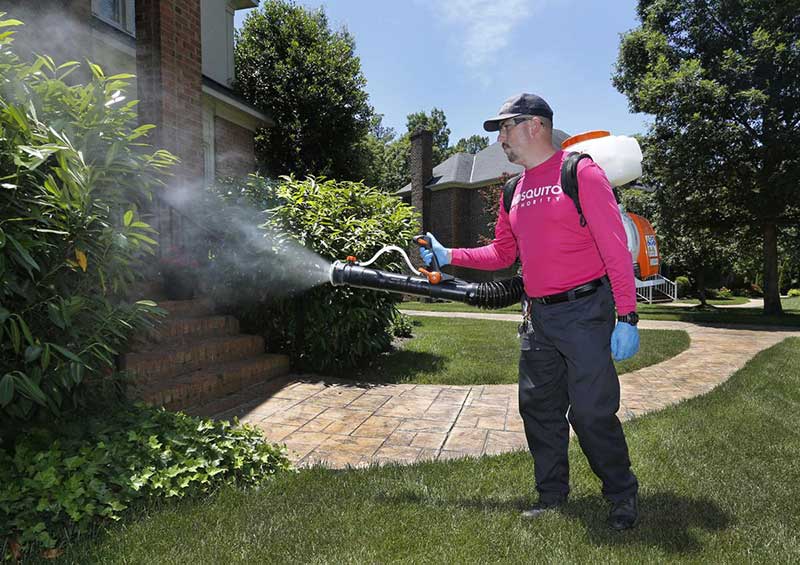
Larviciding remains a cornerstone of mosquito treatment. Biological agents like Bti are favored for their specificity and safety, targeting only mosquito larvae in breeding sites. When adult mosquito control is necessary, targeted fogging during peak activity times is employed, with efforts to minimize collateral impacts on beneficial insects and non-target species.
Community participation is a vital aspect of mosquito treatment. Residents are encouraged to eliminate standing water, maintain landscaping, and participate in local surveillance programs. Public health agencies also promote personal protective measures, including the use of repellents, wearing long sleeves, and avoiding outdoor activity during dusk and dawn when mosquitoes are most active.
Innovative treatments, such as botanical repellents and natural oils, are gaining popularity for their safety and effectiveness. These products can be applied in outdoor spaces to create mosquito-free zones, allowing residents to enjoy their yards and gardens without fear of bites. Combining traditional and innovative methods ensures a comprehensive, sustainable approach to mosquito management.
In conclusion, mosquito treatment in Massachusetts is about employing science-based, community-supported strategies that prioritize safety, sustainability, and ecological health. By integrating traditional methods with innovative solutions, communities can protect public health while respecting and preserving the natural environment for generations to come.