Why KPIs Matter More Than Ever in 2025
Marketers face increasing pressure to demonstrate that social campaigns yield measurable results. Ad budgets are under scrutiny, and leadership teams want to see how every dollar translates into business outcomes. According to a 2024 Sprout Social survey, 71% of marketers said leadership now demands direct evidence of ROI from social media efforts (Sprout Social, 2024). In 2025, KPIs aren't just performance numbers; they're the foundation for budget justification and growth strategies.
How to Align KPIs With SMART Goals
KPIs only matter when they connect to specific business objectives. The SMART framework, which stands for Specific, Measurable, Achievable, Relevant, and Time-bound, ensures that your KPIs track progress toward tangible goals. For example:
- Brand Awareness Goal: Grow Instagram reach by 20% in Q1 through video content.
- Lead Generation Goal: Capture 300 qualified leads from LinkedIn ads in six weeks.
- Sales Goal: Achieve a 5:1 return on ad spend for Facebook campaigns by year-end.
By tying KPIs to SMART goals, marketers avoid chasing vanity metrics and focus instead on results that matter to the business.
Core KPI Categories Every Marketer Should Track
Reach and Impressions
Reach indicates the number of unique users who viewed your content, while impressions represent the total number of views (including repeats). Both matter for awareness campaigns, but reach offers a clearer picture of audience size. For instance, a retail brand launching a holiday collection may focus on reach to gauge how many new potential buyers saw its ads.
Engagement Metrics
Engagement goes beyond likes; it includes comments, shares, saves, and overall engagement rate (interactions divided by reach). Engagement rate helps standardize performance across platforms. For example, Socialinsider reports that Instagram's average engagement rate is around 0.70%. In comparison, LinkedIn's is closer to 0.35% (Socialinsider, 2024), a high engagement rate that indicates your content resonates, which is critical for both organic and paid campaigns.
Click-Through Rate (CTR)
CTR measures the percentage of people who click on your content or ads compared to the total number of times your content or ads are displayed. It's a direct indicator of how compelling your call-to-action is. According to WordStream, the average CTR for Facebook ads across industries is about 0.90% (WordStream, 2024). Marketers running B2B SaaS ads may use this number as a benchmark when evaluating performance.
Conversion Metrics
Conversions are where social data connects to revenue. Examples include leads captured, purchases completed, or form fills. Integrating social tracking with CRM tools or Google Analytics helps marketers see exactly how campaigns drive business results. For e-commerce, this could mean tracking purchase conversions from Instagram Shops; for B2B SaaS, it may be lead form submissions from LinkedIn campaigns.
ROI and Cost-Based KPIs
Executives care about cost-efficiency. Key metrics include cost per click (CPC), cost per acquisition (CPA), and return on ad spend (ROAS). For instance, if a campaign generated $50,000 in revenue with $10,000 in spend, that's a 5:1 ROAS. These KPIs enable marketing leaders to defend their budgets and allocate resources wisely and effectively.
Share of Voice (SOV)
SOV measures how much your brand is mentioned compared to competitors. Tools like Hootsuite and Socialinsider can calculate SOV by tracking brand mentions across platforms. A higher SOV indicates stronger visibility in your market, making it a valuable KPI for competitive benchmarking.
Integrating KPI Tracking Into Daily Workflows
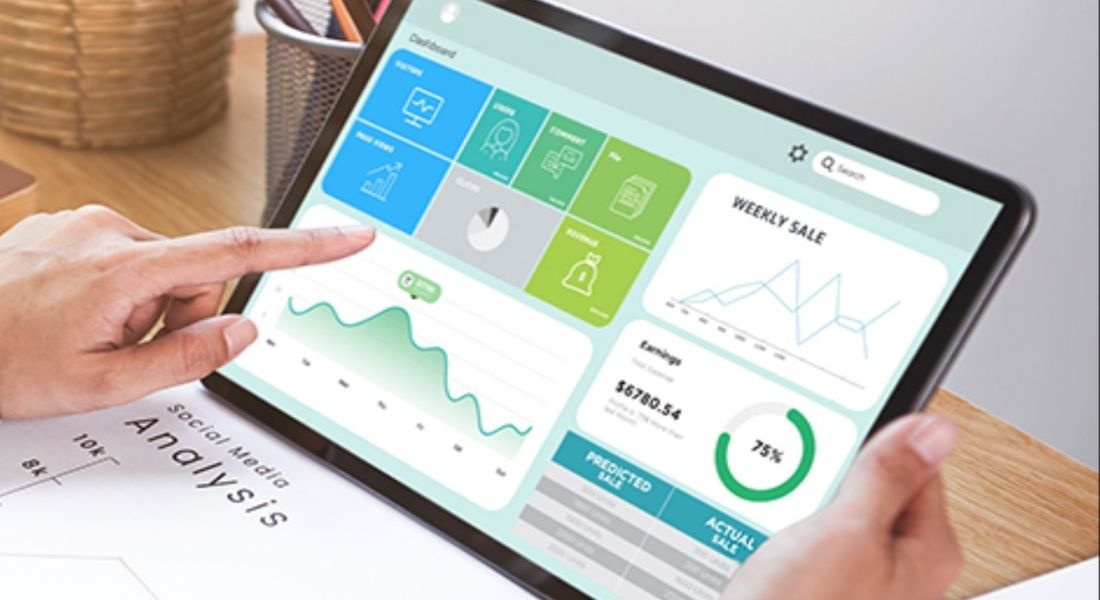
Tracking KPIs shouldn't be an afterthought; it should be part of daily workflows. Marketers can utilize free platform tools, such as Instagram Insights, Facebook Ads Manager, and LinkedIn Analytics, for quick checks. For more robust reporting, dashboards from AgencyAnalytics or Sprinklr consolidate cross-platform KPIs into a single location. Automating weekly reports not only saves time but also ensures that performance trends are spotted early.
Global vs. Local KPI Tracking
Not all KPIs look the same worldwide. A global SaaS brand may focus on impressions and lead volume across regions, while a local café cares more about foot traffic from geo-targeted Instagram ads. Meta's Ads Manager, for example, allows for regional breakdowns, enabling marketers to compare engagement in New York versus London. Understanding when to prioritize local KPIs, such as store visits or regional engagement, helps teams allocate their spend effectively.
Turning KPI Insights Into Action
Collecting KPIs is only the first step; acting on them drives impact. For example, if CTR is substantial but conversions are low, the landing page may need improvement. If engagement is high but reach is stagnant, expanding targeting or boosting content could be the answer. Presenting KPI insights clearly, such as highlighting a 3:1 ROAS trend, helps executives understand the story behind the numbers and supports smarter decisions.
Final Thoughts
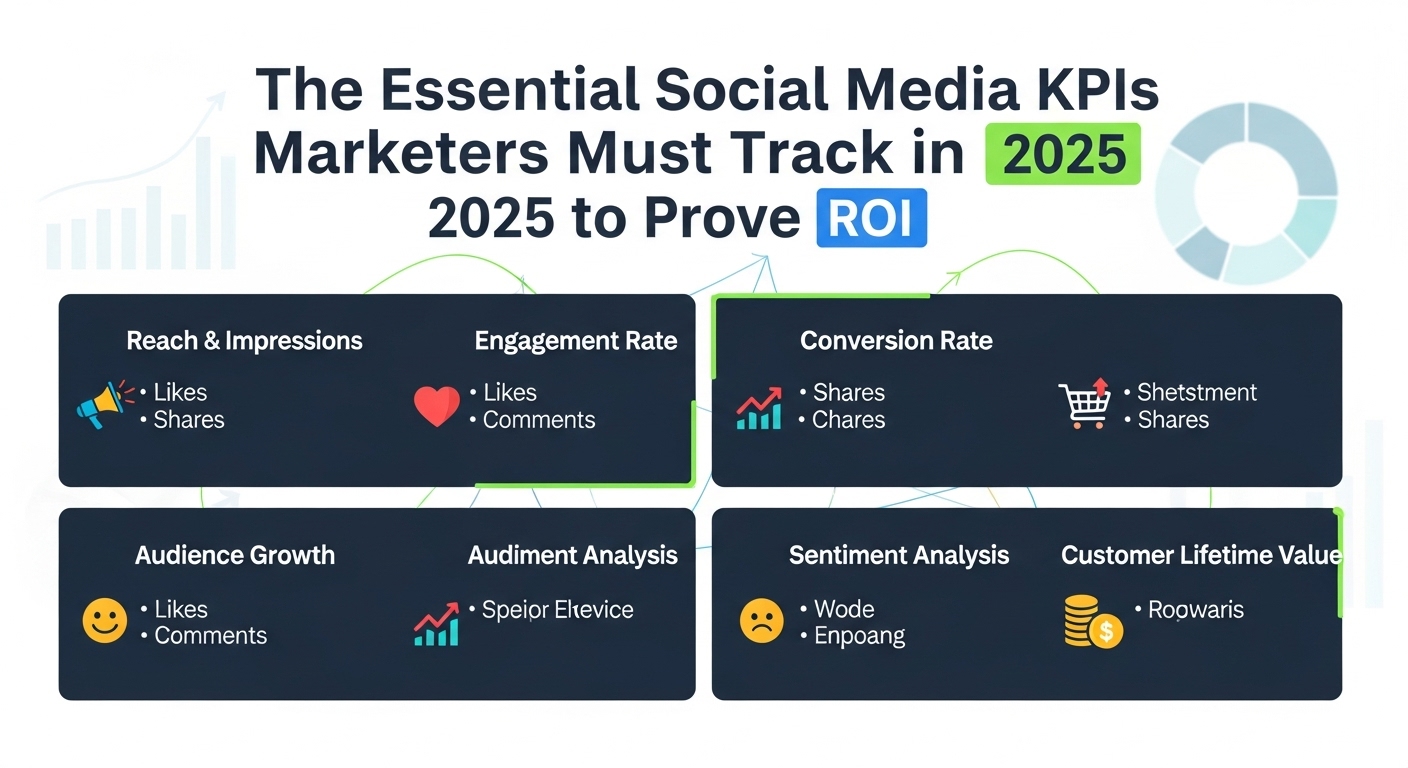
In 2025, proving ROI through the right Social Media KPIs is no longer optional. Marketers who align KPIs with SMART goals, integrate daily tracking, and adapt strategies based on insights will stand out. The key is focusing on metrics that move the needle, not vanity numbers that look good on a dashboard but don't impact business outcomes.
FAQs
1. What's the difference between engagement rate and reach?
The engagement rate indicates how interactive your audience is with your content (likes, shares, comments, saves) in relation to your reach. Reach refers to the number of unique individuals who viewed your content. High reach with low engagement may suggest your content isn't resonating.
2. Which KPI matters most for proving ROI?
ROI-focused KPIs, such as ROAS, CPA, and conversions, are strongest in proving ROI. They tie campaign performance directly to revenue or leads, which leadership teams value most (Hootsuite, 2024).
3. How often should I report social media KPIs?
Weekly or bi-weekly reports help teams catch performance issues early, while monthly summaries provide executives with a big-picture view. Real-time dashboards are best for ongoing optimization.
4. What's a good benchmark for CTR in 2025?
Average CTR benchmarks vary by industry. As of 2024, Facebook ads average around 0.90% CTR, while Google display ads are closer to 0.46% (WordStream, 2024). Marketers should compare their own past performance with industry norms.
5. Which tools are best for tracking KPIs across multiple platforms?
AgencyAnalytics, Sprinklr, and Hootsuite offer strong multi-platform dashboards. For smaller teams, platform-native tools like Instagram Insights and LinkedIn Analytics are cost-effective and reliable for day-to-day monitoring.