

Pregnancy changes the simple act of sleep. Your center of gravity shifts, joints loosen, and the bump asks for extra support. By the second half of pregnancy many people find that back sleeping feels uncomfortable.
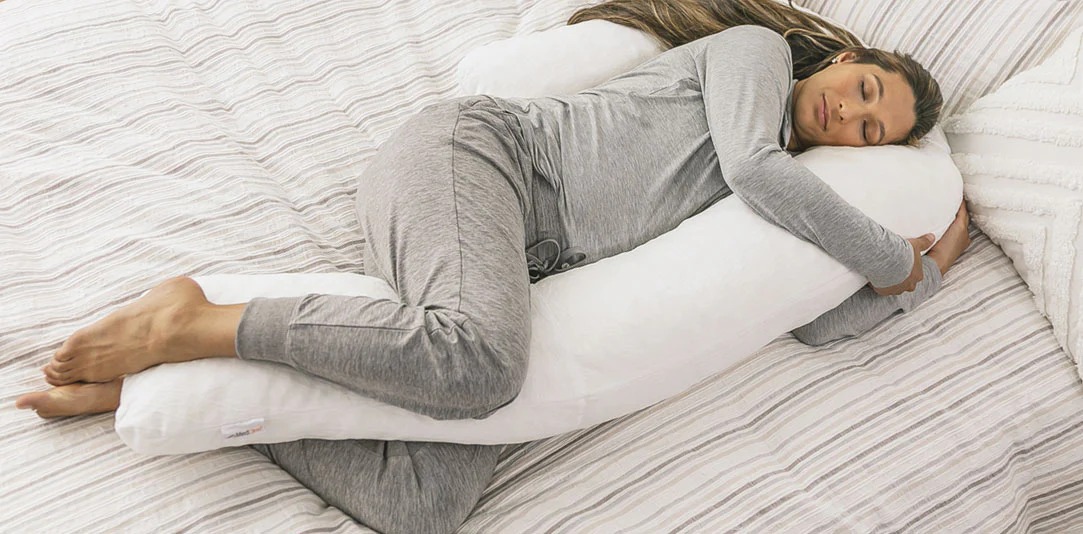
Side sleeping becomes the sweet spot. A body pillow can make that position easier, calmer, and safer to maintain through the night. It cushions the pressure points that wake you up and steadies your posture so you are not twisting or straining.
It also gives you a simple cue to roll back to your side if you drift onto your back. The result is less tossing, fewer aches in the morning, and a routine that helps you rest well while your baby grows.
Why sleep position matters
Good circulation is the headline. When you lie flat on your back in late pregnancy, the weight of the uterus can press on major blood vessels and slow the flow of blood to you and the baby. Side sleeping avoids that pressure.
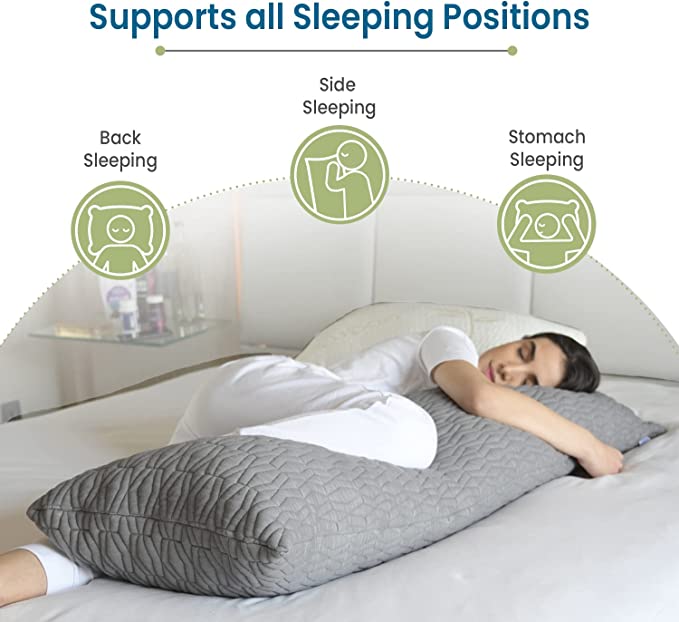
Many maternity groups recommend going to sleep on your side in the second and third trimesters. A pregnancy body pillow makes that position more comfortable and helps you keep it through the night without thinking about it. Both left and right sides are fine. If you wake up on your back, simply roll to either side and settle in again.
What a body pillow actually does
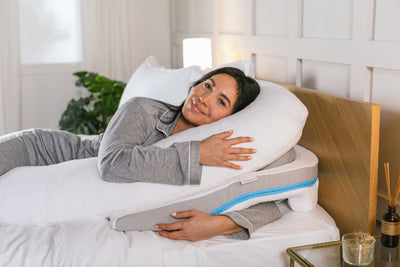
A quality body pillow is not just a big cushion. It creates a stable, neutral position from head to ankle so your muscles can relax. Here is how that helps:
- Belly support. A small lift under the bump reduces dragging on abdominal and back muscles.
- Hip and pelvis alignment. A pillow between the knees keeps the thighs level, which eases pressure on hips and the pelvic floor.
- Lower back relief. Support along the spine limits sagging and the morning “knot” feeling.
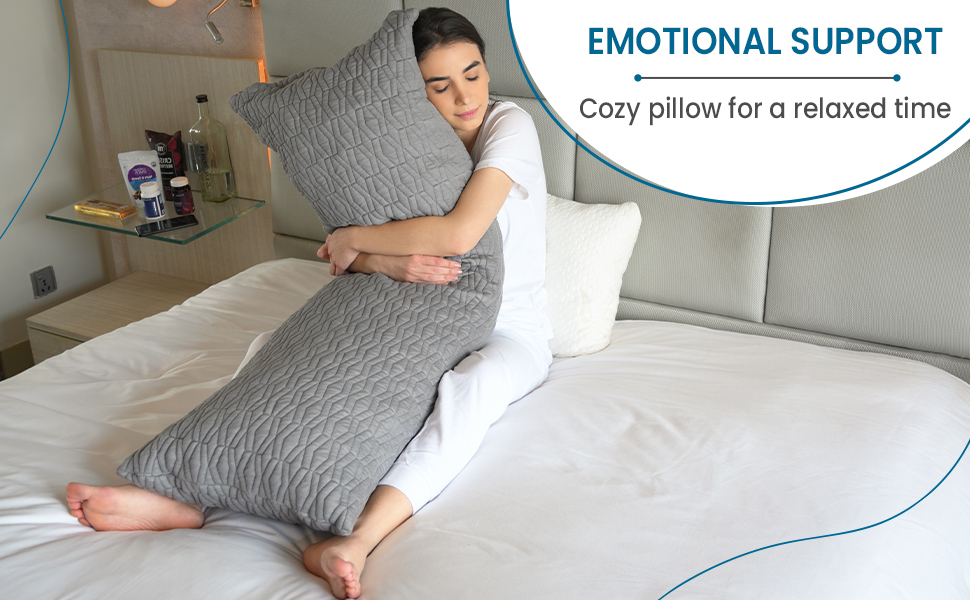
- Shoulder comfort. Hugging the pillow keeps the top shoulder open so it does not roll forward.
- Heartburn help. A slight rise at the chest or under the ribcage can reduce reflux during side sleep.
Shapes and which one fits your life
Body pillows come in a few common shapes. The best one is the one you will use every night.
- Straight body pillow. Looks like a long rectangle. Simple and space saving. Works well for smaller beds or frequent travelers. Pair with a wedge under the bump if you want extra lift.
- J shape. A long leg for hugging plus a hooked end for the head. Good when you want head and knee support without a lot of fabric around you.
- C shape. Cradles your head, bump, and between the knees. Easy to flip from left to right without rearranging the whole setup.
- U shape. Full surround with support on both sides. Great if you change sides often or want back support while on your side. Needs more bed space and can feel warmer, so choose a breathable cover.
- Wedge. Not a body pillow by itself, but a handy add on. Slide it under the bump, lower back, or behind the shoulders.
How to set it up, step by step
Try this simple routine. Adjust as your body changes.
- Head and neck. Keep your usual pillow for the head. Your neck should feel level, not tilted up or down.
- Hug the long side. Place the body pillow in front of you. Hug it with your top arm so the shoulder stays relaxed.
- Between the knees. Rest your top knee and calf on the pillow. The knees should be at the same height.
- Support the bump. Tuck a small section of the pillow or a wedge under the belly so it feels gently lifted.
- Block the roll. If you tend to roll onto your back, place the remaining length behind your back as a bumper.
Trimester by trimester tips
- First trimester. Comfort is the goal. If you like sleeping on your stomach, enjoy it while it feels good. A slim body pillow can already reduce sore breasts and early hip aches.
- Second trimester. Start the side sleep habit. Use the pillow between your knees and a small wedge under the bump. Many people feel better with the top leg higher than the bottom leg.
- Third trimester. Make side sleeping your default. Keep the pillow long behind your back so if you tip backward you feel the cue to roll onto your side. Prop your upper body a little if heartburn flares.
Safety first: facts and myths
- Myth: Left side only. Reality: both sides are acceptable. Choose the side that feels best, and alternate as needed.
- Myth: If you wake on your back you harmed the baby. Reality: your body usually wakes you because it is uncomfortable. Roll to your side and go back to sleep.
- Myth: A special pillow prevents all risks. Reality: a pillow is a comfort and positioning aid. It supports side sleeping. It should not replace medical advice, prenatal visits, or attention to warning signs.
Practical safety notes:
- Keep the pillow clear of your face so breathing stays easy.
- Choose breathable covers and wash them often to cut down on heat and allergens.
- If you have sleep apnea, severe heartburn, high blood pressure, or pain that does not ease with positioning, speak with your clinician for tailored guidance.
The bottom line
A body pillow is not a magic gadget. It is a practical tool that helps you build a side sleeping habit, protect alignment, and reduce pressure points as your body changes. That means fewer awakenings, calmer hips and back, and more energy for the day.
Choose a shape that fits your space, pick a fill that feels good in your climate, and set it up so it supports the bump, knees, and back together. If you wake up on your back, do not stress. Roll to your side and keep going. Consistent, comfortable side sleep is a small nightly habit that adds up to safer, more satisfying rest through pregnancy.