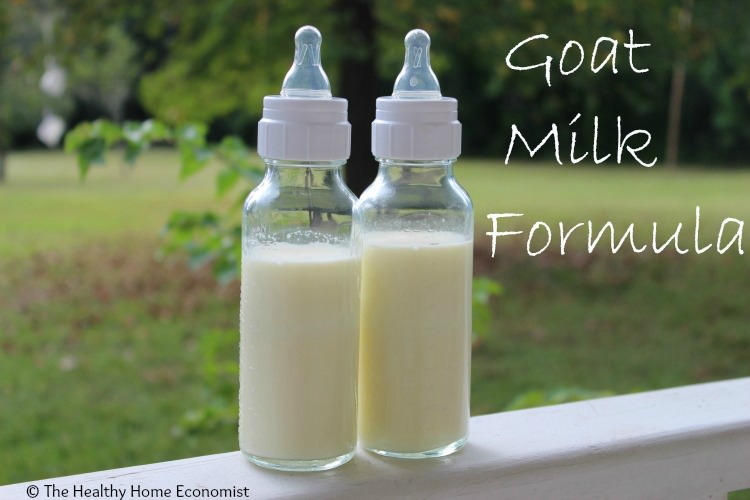
Choosing the right nutrition for your baby is one of the most important decisions parents make. With so many formula options available, it can be overwhelming to decide which is best for your little one. Recently, goat milk formula has been gaining popularity as a gentle and nutrient-rich choice for infants. However, like any emerging trend in parenting, it has also sparked a number of myths and misconceptions.
In this article, we’ll separate myth from fact so you can make a confident, informed choice about goat milk formula for your baby.
Myth 1: Goat Milk Formula Is the Same as Regular Goat Milk
Fact: Goat milk formula is very different from plain goat milk.
Some parents mistakenly think they can feed their baby fresh goat milk straight from the store, but this is not safe or recommended. Regular goat milk does not have the right balance of nutrients babies need for healthy growth and can be difficult for infants to digest.
Goat milk formula, on the other hand, is carefully processed and fortified with vitamins, minerals, and other essential nutrients to ensure it meets strict infant nutrition standards. It’s designed to mimic breast milk as closely as possible while providing all the benefits of goat milk in a safe, digestible form.
Myth 2: Goat Milk Formula Causes Allergies
Fact: Goat milk formula is not a common allergen, but it’s not suitable for babies with severe cow’s milk protein allergy (CMPA).
Many parents worry that goat milk formula will cause allergic reactions, but research shows that goat milk is not more allergenic than cow milk. In fact, goat milk has naturally lower levels of alpha-S1-casein, a protein often associated with digestive discomfort in infants.
However, because goat milk proteins are similar to cow milk proteins, babies with confirmed CMPA may still react to it. Always consult your pediatrician before switching formulas if your baby has allergies.
Myth 3: Goat Milk Formula Lacks Nutrition Compared to Cow Milk Formula
Fact: Goat milk formula is nutritionally complete.
A common misconception is that goat milk formula is “less nutritious” than cow milk formula. In reality, both types are carefully regulated to meet infant nutrition standards. Goat milk formula is fortified with essential nutrients, including:
DHA and ARA: For brain and eye development.
Calcium: For strong bones and teeth.
Iron: To prevent anemia.
Vitamins and Minerals: For overall growth and immunity.
Goat milk naturally contains more certain nutrients, like Vitamin A and magnesium, making it a powerful choice for healthy development.
Myth 4: Goat Milk Formula Is Only for Babies with Digestive Issues
Fact: Goat milk formula is great for all babies, not just those with sensitivities.
While goat milk formula is especially popular among parents of babies with mild sensitivities or tummy troubles, it’s not exclusively for them. The formula’s smaller fat globules and soft curd formation make it easier to digest, which is beneficial for all infants, not just those with digestion issues. Many parents choose goat milk formula simply because they want a gentle, naturally nutritious option for their child.
Myth 5: Goat Milk Formula Is Hard to Find and Expensive
Fact: Goat milk formula is becoming widely available.
In the past, goat milk formula was considered a niche product, often difficult to find. Today, its popularity has skyrocketed, and many trusted brands now offer goat milk options online and in stores. While it may cost slightly more than standard cow milk formula, the price difference is often worth it for parents seeking a gentler, nutrient-rich choice.
Myth 6: Goat Milk Formula Has a Strong, Unpleasant Taste
Fact: Goat milk formula has a mild, creamy taste.
Some people assume that because fresh goat milk has a distinct flavor, goat milk formula will taste strong or unpleasant. In reality, goat milk formula is processed and designed to be palatable for babies. Most infants transition to it easily and enjoy its mild, naturally sweet flavor.
Myth 7: Goat Milk Formula Is Not Backed by Science
Fact: There’s plenty of research supporting its benefits.
Goat milk has been consumed for centuries, and modern studies confirm its digestive and nutritional advantages. Research highlights that goat milk contains:
More naturally occurring oligosaccharides (prebiotics) than cow milk, supporting gut health.
Easily digestible fat structure that may reduce fussiness.
A protein profile closer to human milk, making it a gentler alternative.
These findings make goat milk formula a scientifically supported option for modern infant feeding.
Myth 8: Switching to Goat Milk Formula Is Complicated
Fact: Transitioning is simple with the right approach.
If you’re switching from cow milk formula or supplementing breast milk, the transition to goat milk formula is straightforward. Pediatricians often recommend gradually introducing it over several days to allow your baby’s digestive system to adjust. Most babies adapt quickly and thrive on goat milk formula.
Why Goat Milk Formula Is a Smart Choice for Parents
With so many myths surrounding goat milk formula, it’s easy to see why parents may hesitate to try it. However, the facts speak for themselves:
It’s nutritionally complete and safe.
It offers gentle digestion benefits.
It contains natural prebiotics to support gut health.
It’s a great option for modern, health-conscious parents.
Choosing goat milk formula doesn’t just help your baby grow strong and healthy—it gives parents peace of mind knowing their child is getting the best start possible.
Conclusion: Trust Royal AUSNZ for Gentle and Reliable Goat Milk Formula
When it comes to your baby’s health, choosing a trusted brand matters. Royal AUSNZ offers premium goat milk formula made with high-quality ingredients and fortified to meet your baby’s nutritional needs. With a focus on gentle digestion, balanced nutrition, and safety, Royal AUSNZ ensures your baby gets the very best from day one.