


Introduction
Understanding Debt Free Solutions
Debt can be overwhelming, affecting your peace of mind and daily life. Many individuals struggle to manage multiple bills, loans, and credit card balances, feeling trapped in a cycle they cannot escape. Debt free solutions offer practical methods to regain control of your finances and restore confidence. They can include budgeting, repayment strategies, credit counseling, and professional debt relief services tailored to your unique situation.
What This Guide Will Do
This guide will walk you through actionable steps and free debt solutions to help you regain financial stability. You will learn to assess your debts, choose effective repayment strategies, explore professional help when needed, and build long-term financial habits. By following this roadmap, you can reduce stress, regain control, and work toward a debt-free life.
Assess Your Current Financial Situation
List All Your Debts
Begin by making a complete list of every debt you owe. Include credit cards, personal loans, mortgages, and unpaid bills. Note down the balance, interest rate, and minimum monthly payment for each. This clarity allows you to prioritize effectively and identify the most pressing debts.
Calculate Your Monthly Expenses
Track your monthly spending in all categories, including housing, groceries, utilities, transportation, and discretionary expenses. Knowing exactly where your money goes helps identify areas for savings, freeing up funds for debt repayment.
Determine Your Debt-to-Income Ratio
Your debt-to-income ratio is calculated by dividing your total monthly debt payments by your monthly income. A high ratio indicates that a large portion of your income goes toward debt, signaling a need for urgent action. Understanding this ratio helps you set realistic repayment goals.
Explore Free Debt Solutions
Budgeting Techniques
Effective budgeting is the foundation of financial relief. Methods like the 50/30/20 rule allocate 50% of income to necessities, 30% to discretionary spending, and 20% to savings and debt repayment. Zero-based budgeting ensures every dollar has a purpose, helping you avoid unnecessary debt accumulation.
Debt Snowball vs. Debt Avalanche
The debt snowball method focuses on paying off smaller debts first to gain motivation. The debt avalanche method prioritizes high-interest debts, minimizing overall interest payments. Both are effective, and choosing the right method depends on your personal motivation and financial goals.
Credit Counseling Services
Nonprofit credit counseling agencies provide guidance at no cost. They review your finances, create repayment plans, and may negotiate with creditors on your behalf. Working with certified counselors ensures you follow a structured approach toward debt free solutions.
Negotiating Directly With Creditors
Many creditors are open to negotiation. You can request lower interest rates, extended payment terms, or even debt settlements. Direct communication can significantly reduce your debt burden and create manageable repayment schedules without extra cost.
Professional Debt Relief Options
Debt Management Plans
Debt management plans consolidate your debts into a single monthly payment. Agencies often negotiate lower interest rates and fees, making repayment more manageable. This structured approach helps prevent missed payments and gradually reduces overall debt.
Debt Settlement Programs
Debt settlement programs aim to resolve debts for less than the full amount owed. While this option can reduce debt quickly, it may impact your credit score and involve fees. Consider this carefully, ensuring it aligns with your long-term financial goals.
Bankruptcy as a Last Resort
Bankruptcy can provide a fresh start when debts become unmanageable. It offers legal protection from creditors but carries long-term consequences. Explore all free debt solutions and repayment strategies before considering this option.
Maintaining Financial Discipline
Automate Payments
Automatic payments prevent late fees and missed deadlines, helping you stay on track with repayment plans. Automation also reduces stress and ensures consistency in your financial routine.
Build an Emergency Fund
Saving three to six months of living expenses protects you from unexpected financial setbacks. An emergency fund prevents reliance on credit cards or loans, keeping you on the path to debt free solutions.
Monitor Credit Reports
Regularly reviewing your credit report helps you track improvements and spot inaccuracies. Accurate reporting ensures your credit score reflects your responsible financial behavior.
Psychological Benefits of Becoming Debt-Free
Reduced Stress and Anxiety
Eliminating debt relieves constant financial pressure, improving mental health and focus. A clear repayment plan helps you feel in control of your life and choices.
Improved Relationships
Financial strain often causes conflicts with family or partners. Managing debts responsibly fosters trust and reduces tension, strengthening personal relationships.
Greater Financial Freedom
Debt-free living allows you to save, invest, and spend according to your priorities. Financial freedom gives you more control over life decisions and long-term goals.
Creating a Long-Term Financial Plan
Set Clear Goals
Define short-term goals, such as paying off a specific debt, alongside long-term goals like saving for a home or retirement. Clear objectives guide your financial decisions and motivate you to stay disciplined.
Maintain Financial Literacy
Regularly educate yourself about personal finance, investment options, and smart spending habits. Knowledge empowers you to make informed choices and avoid future debt cycles.
Adjust Strategies as Needed
Life circumstances change, so revisit your financial plan regularly. Flexibility ensures you remain on track even during unexpected events, securing long-term success.
Conclusion
Following these debt free solutions and free debt solutions strategies empowers you to regain control of your finances. Assess your situation, implement structured repayment methods, seek professional guidance when necessary, and maintain discipline. By acting today, you reduce stress, improve financial security, and work steadily toward a debt-free life. Your journey to financial freedom begins with informed steps and consistent action.
Don’t let another year of debt chaos go by.
There is a range of debt solutions available that might be more suitable to your circumstances.
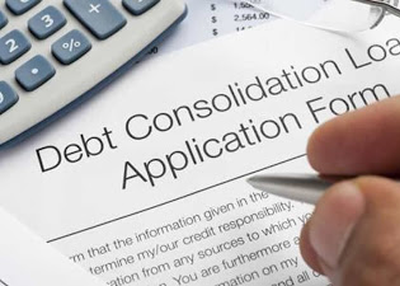
It involves taking out new credit in the form of personal debt consolidation loan to pay off your existing credit.
Consolidating debt may involve some additional cost, so you must understand the downsides associated with this type of debt settlement.
Most of the people opt for settling their overwhelming debts to reduce:
Besides, decreased monthly pat amounts at lower interest rate you will be dealing with decreased number of creditors you owe money to.
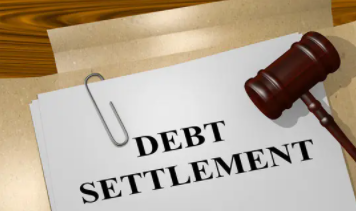
Are you looking for a company for debt settlement in Las Vegas?
If yes, then Debt Solutions Services can prove to be your friend for life.
Regulate your cash flow better with the methods offered by the best attorneys of the team.
Connect with one of the best debt solution team today!