





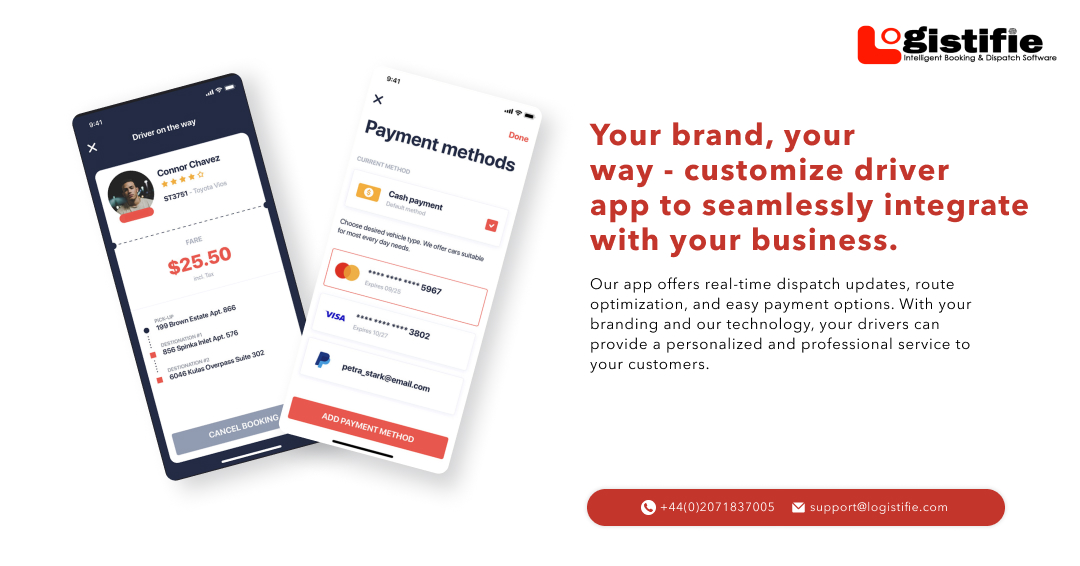
The taxi and ride-hailing industry has undergone a massive shift over the past decade. Global giants like Uber, Lyft, and Bolt have redefined how people move in cities, setting high standards for speed, convenience, and affordability. For local taxi operators, competing with these industry leaders often feels like an uphill battle. However, the rise of white-label taxi apps has changed the game. By offering advanced, ready-made, customizable solutions, these apps are empowering local operators to compete directly with global players and win customers with localized services.
Levelling the Playing Field with Technology
Traditionally, building a taxi app from scratch required huge investments in development, design, and maintenance—something only large companies could afford. White-label taxi apps eliminate these barriers by providing pre-built platforms that can be branded and customized according to the operator’s needs. With features like real-time tracking, secure payment integration, automated dispatch, and driver-passenger communication, local operators can now deliver the same level of service as global ride-hailing companies.
The Power of Branding for Local Operators
One of the strongest benefits of white-label apps is the ability to own the brand identity. Unlike working with third-party aggregators, local taxi operators can have an app that reflects their company’s logo, colours, and messaging. This branding builds customer trust and loyalty because passengers know they are booking directly with a reliable local service provider. Over time, this creates a strong customer base that isn’t easily swayed by bigger names.
Competitive Pricing and Cost Efficiency
White-label taxi apps allow local operators to compete on price without sacrificing profitability. Since the apps are already built, operators avoid the massive costs of development and ongoing technical upgrades. This cost efficiency enables them to focus resources on improving service quality, driver training, and customer support. Additionally, because they control the app, operators can set pricing structures that align with their market, offering promotions or loyalty rewards that larger competitors may not provide.
Real-Time Efficiency and Customer Satisfaction
Today’s passengers expect quick booking confirmations, accurate ETAs, and real-time tracking. White-label taxi apps come equipped with these features, ensuring that customers experience the same convenience they get from global apps. Automated dispatch assigns rides to the nearest available drivers, reducing waiting times and increasing trip efficiency. When customers experience smooth, reliable rides, they are more likely to choose local operators again over international giants.
Building Strong Driver Relationships
Global ride-hailing giants often face criticism from drivers due to high commission fees and limited support. Local operators, empowered with white-label apps, can create better working conditions for drivers by charging lower commissions, offering flexible incentives, and maintaining direct communication. This not only helps recruit more drivers but also improves retention, ensuring a consistent supply of vehicles to meet passenger demand. Drivers who feel valued are more likely to deliver excellent service, further boosting customer loyalty.
Data Ownership and Local Insights
Perhaps one of the most underrated advantages of white-label apps is data ownership. Global ride-hailing companies often control all passenger and driver data, leaving local operators at a disadvantage. With a white-label solution, operators have direct access to customer trends, popular routes, peak hours, and driver performance. This data helps them make informed decisions, optimize fleet management, and design marketing campaigns tailored to their local market. In essence, data gives them the power to outsmart larger competitors through hyper-local strategies.
Adapting to Local Needs
Unlike global apps that offer a one-size-fits-all model, local operators can customize their white-label taxi apps to suit regional demands. Whether it’s supporting local payment wallets, offering services in regional languages, or providing tailored ride categories like auto-rickshaws, shared taxis, or luxury cars, local operators can design services that resonate with their audience. This level of personalization makes them more relevant to customers than big international apps.
Future-Ready with Innovation
White-label taxi apps are constantly evolving to include features like AI-driven route optimization, dynamic pricing, fleet electrification support, and multi-service integration. Local operators adopting these platforms are not only catching up to global giants but also preparing for the future of mobility. With the right technology in place, they can expand into other services like logistics, car rentals, or corporate travel, diversifying their revenue streams and ensuring long-term growth.
Conclusion
In an industry dominated by global giants, local taxi operators now have a powerful ally in white-label taxi apps. These apps provide the technology, branding, and flexibility needed to compete on equal footing while leveraging local knowledge and personalized service. By reducing costs, improving customer experiences, and strengthening driver relationships, white-label solutions give local operators the competitive edge they need to thrive.
The future of urban mobility will not be defined by size alone but by innovation, adaptability, and customer trust. With white-label taxi apps, local operators are proving that they, too, can shape the future of transportation—one ride at a time.
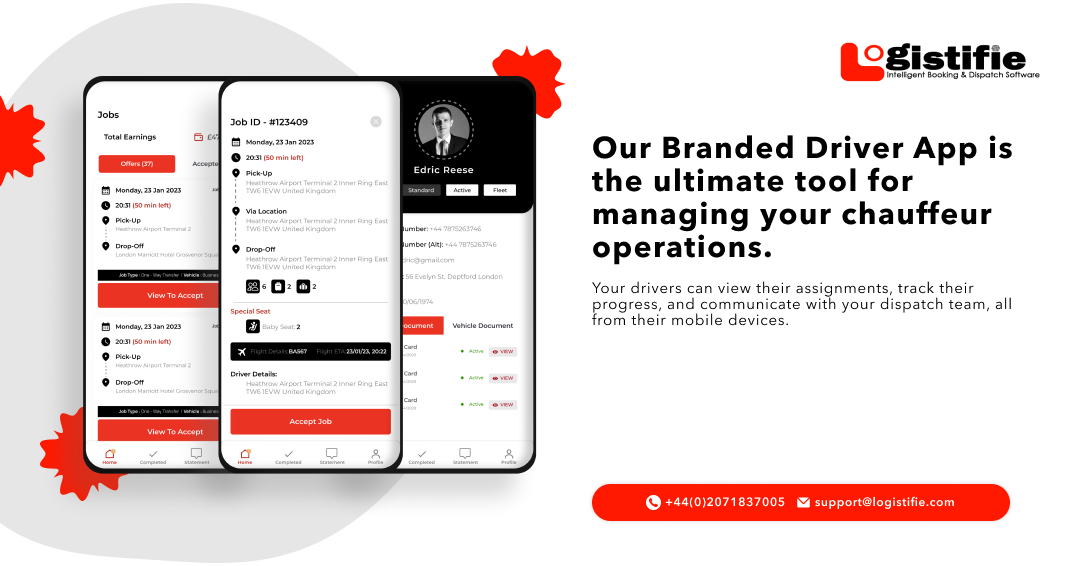
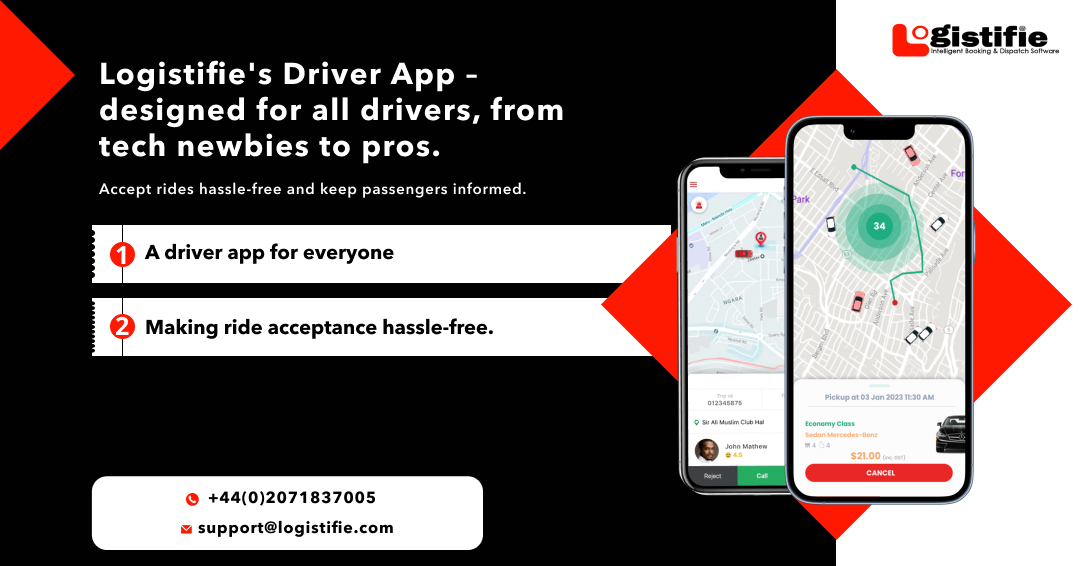
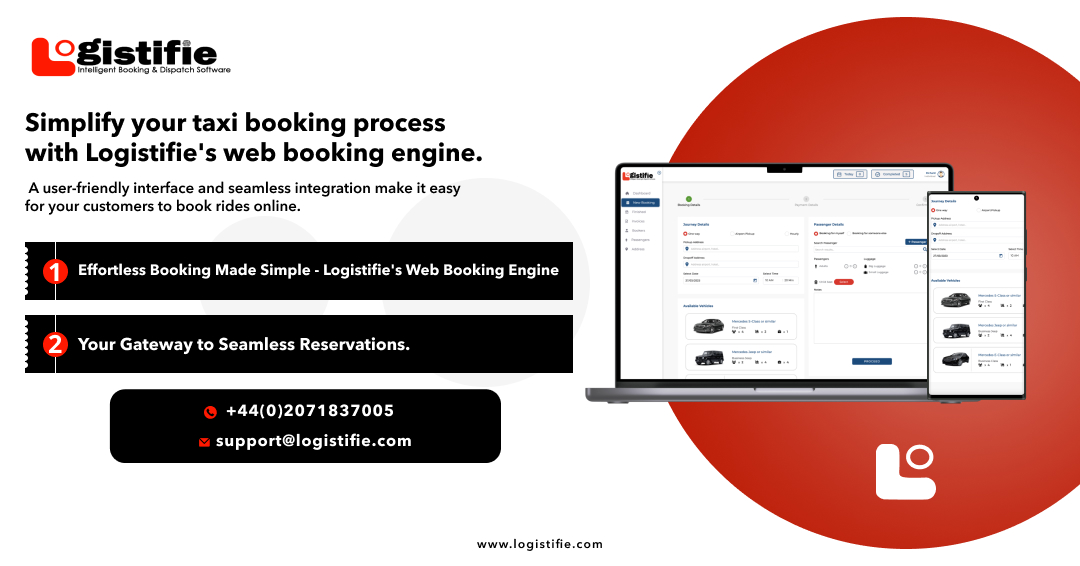
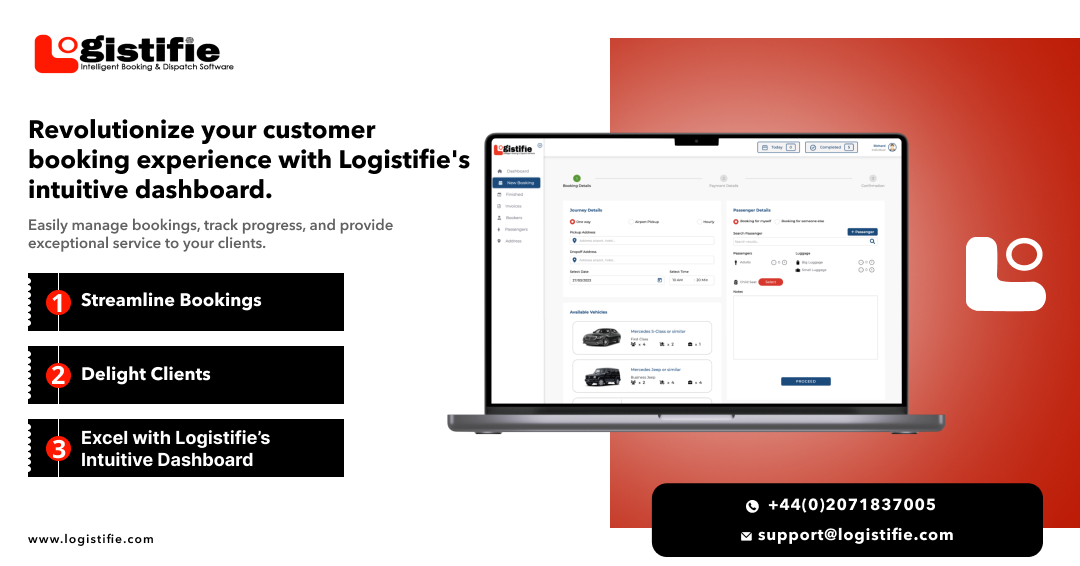


Taxi and cab operators are realizing the need of digitizing their business operations in wake of increased competition from the likes of Uber and Lyft.
To this end various software and IT companies are developing taxi app solutions that are cloud based and offer end to end functionalities to taxi companies including fleet tracking using GPS and real time booking for passengers.
There are a plethora of taxi booking solutions out there for various sizes and budgets.Choosing the right one according to your taxi company requirements can be a challenge especially for less tech savvy owners.
If you’re unhappy with a software provider for your taxi booking system and looking to jump ship to another provider, here’s a list of questions to ask before you make a decision:Level of customizationEach taxi or limo or cab company has different requirements for their business.
The primary goal of the app is to be able to book taxis or cab but there can be various other custom features a company might need like payment wallet integration, coupon codes, data analytics, dispatch panel, integration with existing systems etc.
It’s important that you sit down with the software provider and discuss all your requirements in detail.Original source: Looking to switch your taxi booking system?