

Electric Valve Actuator: The Heart of Electrically Operated Butterfly Valves
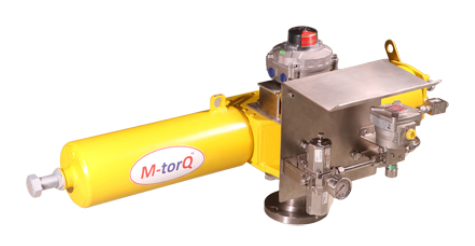
An electric valve actuator is a crucial component that transforms electrical energy into mechanical motion to control the opening and closing of a valve. In the context of electrically operated butterfly valves, this device serves as the primary driver, enabling precise regulation of fluid flow within a piping system. Unlike manual or pneumatic actuators, electric actuators offer a high degree of control, automation, and integration with modern control systems. They are designed to operate reliably in various environmental conditions, ensuring consistent valve performance over time.
The core function of an electric valve actuator involves receiving a control signal often from a programmable logic controller (PLC) and converting this signal into a rotational movement that opens or closes the butterfly valve. This process involves several internal components, including motors, gearboxes, and position sensors, all working harmoniously to achieve accurate positioning. The motor, typically an electric motor, is selected based on the torque requirements of the valve and the application's operational conditions. Gearboxes amplify the motor's torque, allowing the actuator to handle larger valves or more demanding environments.
Modern electric valve actuators are equipped with advanced features such as feedback systems, which provide real-time data on valve position, and communication interfaces like Modbus, HART, or Profibus, facilitating seamless integration into industrial control networks. These features enable operators to monitor valve status remotely, perform diagnostics, and schedule maintenance proactively, thereby reducing downtime and operational costs. Overall, the electric valve actuator is the driving force behind efficient and reliable operation of electrically operated butterfly valves, making them indispensable in various industries, including water treatment, oil and gas, pharmaceuticals, and food processing.
Butterfly Valve Actuator: The Mechanism Behind Precise Valve Control
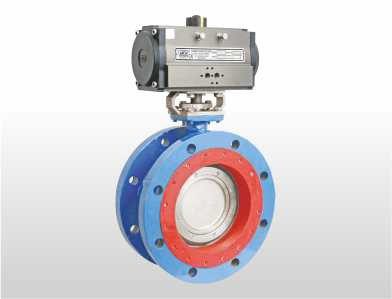
The butterfly valve actuator is a specialized device designed to operate butterfly valves with precision and reliability. It functions by converting electrical signals into rotational motion, which then actuates the valve's disc to regulate fluid flow. The actuator's design ensures smooth operation, quick response times, and accurate positioning, all of which are vital for maintaining process control and safety in industrial systems.
Many butterfly valve actuators come with built-in position feedback sensors, such as potentiometers or encoders, which provide continuous data on the valve's current position. This feedback is crucial for automation and safety, ensuring that the valve operates within specified parameters. Additionally, modern actuators feature communication ports that allow integration with supervisory control and data acquisition (SCADA) systems, enabling remote operation and monitoring.
Durability and environmental resistance are also key considerations in the design of butterfly valve actuators. They are often rated for outdoor use, capable of withstanding harsh conditions such as extreme temperatures, moisture, dust, and corrosive environments. This robustness ensures that the actuator maintains performance over time, reducing maintenance requirements and operational interruptions.
Electrically Operated Butterfly Valves: An Essential Component for Modern Industry
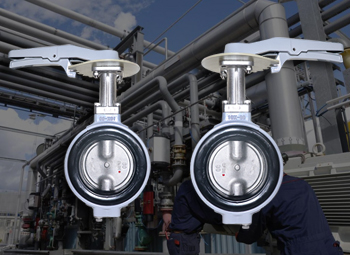
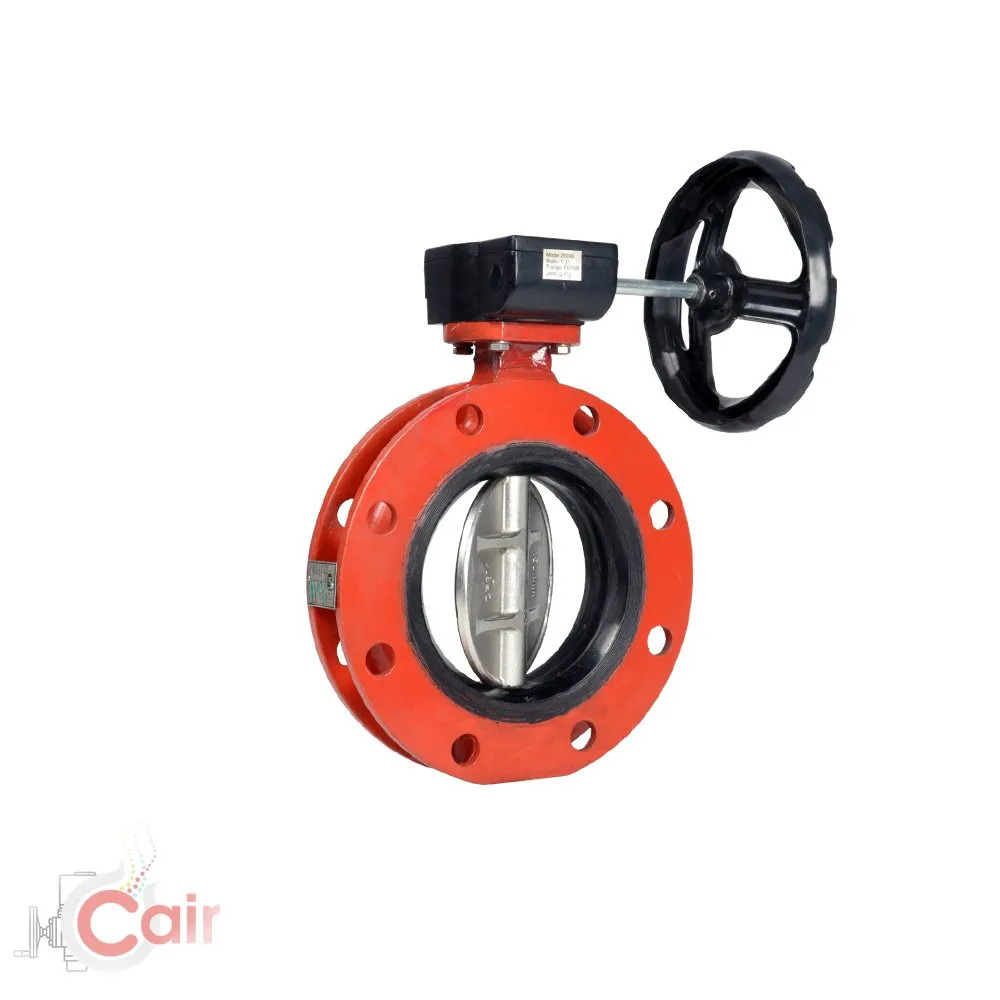
Electrically operated butterfly valves are increasingly favored in various industries due to their efficiency, ease of automation, and ability to provide precise flow control. These valves consist of a circular disc (the butterfly) mounted on a rotating shaft, with the electric actuator controlling the disc’s position. When the actuator receives a control signal, it rotates the disc to open or close the valve, regulating the flow of liquids or gases through pipelines.
One of the main advantages of electrically operated butterfly valves is their ability to be integrated into automated control systems. This integration allows for remote operation, real-time monitoring, and automated adjustments based on process variables. For industries such as water treatment, chemical processing, and HVAC systems, this level of control enhances efficiency, safety, and energy savings. The electric operation eliminates the need for manual intervention, making it suitable for applications where accessibility is limited or continuous operation is required.
The design of electrically operated butterfly valves emphasizes versatility and reliability. They are available in various sizes and pressure ratings, accommodating a broad range of industrial applications. The materials used for the valve body and disc can be selected based on the corrosiveness of the fluid, temperature conditions, and pressure requirements, ensuring durability and longevity.
Furthermore, the use of electric actuators in butterfly valves reduces energy consumption compared to pneumatic or hydraulic systems. Electric actuators can be precisely controlled to minimize energy use, especially in applications where frequent adjustments are necessary. This efficiency, combined with low maintenance requirements and high operational reliability, makes electrically operated butterfly valves a cost-effective solution for modern industry needs.
In conclusion, electrically operated butterfly valves represent a significant advancement in flow control technology. They offer a combination of precision, automation, and durability that meets the demanding needs of contemporary industrial processes. As industries continue to pursue smarter, more efficient systems, the role of electrically operated butterfly valves is expected to grow, contributing to safer, more sustainable, and more efficient operations worldwide.