

Who is liable in a golf cart accident in Florida?
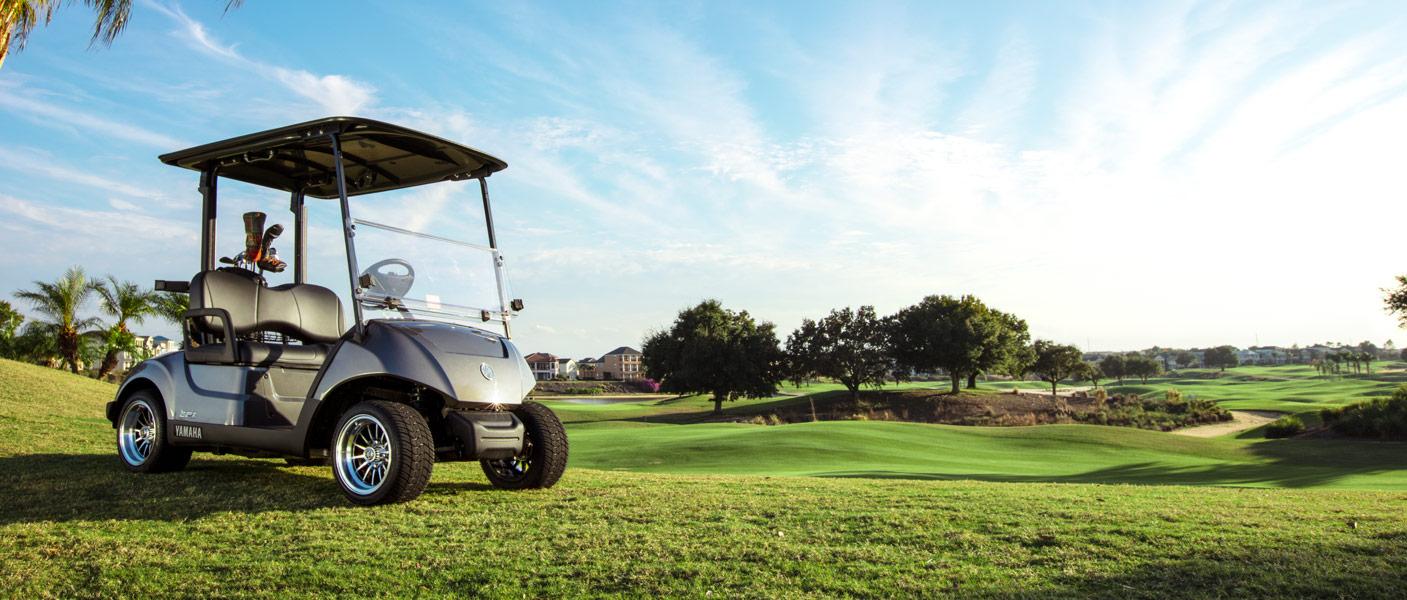
It’s a question more Florida residents are asking as golf carts become increasingly popular — not only on golf courses, but also in gated communities, retirement neighborhoods, and even public streets where permitted. While convenient, golf carts aren’t toys. Accidents involving them can cause serious injuries, leaving victims wondering who’s responsible for medical bills, lost wages, and other damages.
As liability in a golf cart crash depends on several factors, our golf cart accident lawyer team at Warner & Warner understands how complex these cases can be.
Florida’s Golf Cart Wild West
You might think a golf cart is just a slow car, but Florida law sees it differently. Depending on where your accident happened, you could be dealing with completely different legal frameworks. Some communities allow golf carts on public roads with speed limits under 35 mph, while others restrict them to private property. This isn’t just legal trivia: it fundamentally changes who’s responsible when things go wrong.
The reality is stark: golf carts lack basic safety features you might take for granted in regular vehicles. No seatbelts, minimal protection, and often no insurance requirements create a perfect storm for serious injuries and complicated liability scenarios. You might discover your homeowner’s policy doesn’t cover golf cart accidents, or worse, that the person who hit you has no coverage at all.
The Usual Suspects: Common Accident Scenarios You Need to Know
Your accident probably fits one of these patterns, and recognizing yours helps identify who should be writing the checks.
Negligent driving tops the list — someone speeding around blind corners, texting while driving, or making reckless turns without checking for pedestrians. You’d be amazed how many adults treat golf carts like bumper cars at a carnival.
Then there’s the underage driver problem. Communities often look the other way when teenagers joy-ride in golf carts, but when accidents happen, both the young driver and the adult who allowed it face serious liability. Mechanical failures present another headache entirely. Was it poor maintenance by a lazy owner, or did the manufacturer cut corners on brake systems? The answer determines whether you’re suing your neighbor or a major corporation.
Don’t overlook property management liability either. Golf courses, HOAs, and community associations have responsibilities to maintain safe pathways and enforce operating rules. When they fail, and you get hurt because of poorly marked hazards or inadequate lighting, they can’t simply shrug and point fingers elsewhere.
Pointing Fingers: Who Really Owes You Money
The driver is often the obvious target. If someone was texting, drinking, or just driving carelessly when they hit you, they’re typically on the hook for your damages. But here’s where it gets interesting — sometimes the driver isn’t the deepest pocket in the room.
Golf cart owners face liability even when they’re not behind the wheel. Let your inexperienced nephew take a spin and cause an accident? You’re potentially responsible. Fail to maintain brakes or ignore obvious safety issues? That’s on you too. Property managers and golf courses aren’t automatically in the clear, too. They have duties to maintain safe conditions and enforce reasonable safety rules.
Manufacturing defects open up entirely different legal avenues. When brake systems fail or steering mechanisms malfunction due to design flaws, you’re looking at product liability claims against companies with serious resources to compensate injured victims properly.