Mental fatigue is a modern-day challenge that many of us face, especially in workspaces where concentration, creativity, and decision-making are critical. While people often attribute brain fog or tiredness to lack of sleep or stress, one overlooked factor is air quality.
Indoor spaces, whether at home or in the workplace, can harbor pollutants such as dust, volatile organic compounds (VOCs), mold spores, and allergens. These not only impact physical health but also directly influence mental clarity and cognitive performance. This is where investing in an office air cleaner becomes more than just about fresh air—it becomes a productivity tool.
The Science Behind Air Quality and Cognitive Function
Research has shown a strong link between polluted air and cognitive decline. Fine particulate matter (PM2.5) and toxic compounds can enter the bloodstream through the lungs, affecting brain function over time. Poor indoor air quality contributes to symptoms like:
- Persistent headaches
- Reduced attention span
- Memory issues
- Brain fog and slowed processing
A Harvard University study on office workers found that people in environments with cleaner air demonstrated higher cognitive scores, quicker responses, and improved decision-making abilities compared to those in poorly ventilated settings. This highlights that the air we breathe plays an active role in shaping how efficiently our brain works.
Why Indoor Air Is More Dangerous Than Outdoor Air
Most people assume pollution is only a problem outside, but studies suggest indoor air can be two to five times more polluted than outdoor air. Sources include cleaning products, synthetic furnishings, mold, cooking fumes, pet dander, and even printers in offices. In sealed, air-conditioned spaces, these pollutants accumulate, creating a cocktail of airborne toxins.
For workers spending long hours indoors, prolonged exposure can cause not only respiratory issues but also subtle cognitive strain that compounds over time. This is why office air filtration systems are becoming essential investments for organizations aiming to create healthier and more productive workplaces.
How Air Purifiers Reduce Mental Fatigue
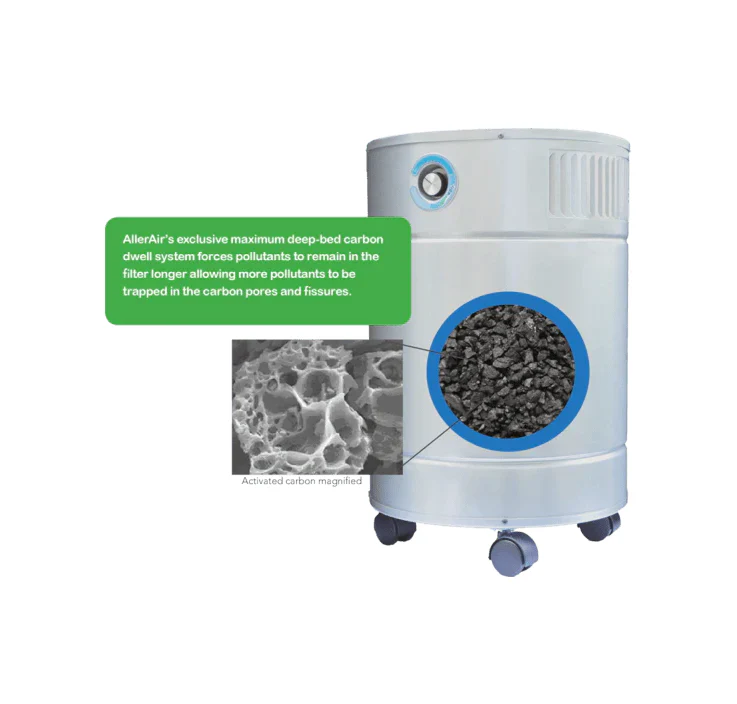
Modern air purifiers use HEPA filters, activated carbon, and sometimes UV technology to capture pollutants that contribute to brain fatigue. Here’s how they specifically help mental performance:
- Removal of Allergens: Allergic reactions often cause drowsiness and headaches. Air purifiers trap pollen, dust mites, and pet dander, preventing these triggers from affecting focus.
- Reduction of VOCs: Chemicals from paints, cleaning sprays, and plastics release VOCs that can impair memory and concentration. Activated carbon filters help absorb these gases.
- Control of Mold Spores: Mold exposure is linked to brain fog and neurological issues. By reducing mold spores in the air, purifiers safeguard mental clarity.
- Improved Oxygen Intake: Cleaner air allows the body to absorb oxygen more efficiently, which the brain depends on to stay alert and sharp.
Air Purifiers at Home: Supporting Brain Health Beyond Work
It’s not just offices where clean air makes a difference—homes are equally important. Bedrooms, for instance, should be sanctuaries for restorative sleep, yet they often harbor dust and allergens. Poor air during sleep impacts REM cycles and brain recovery.
Families dealing with seasonal allergies or mold growth may especially benefit from targeted solutions. A home air purifier for allergies can minimize triggers, creating a healthier environment where the brain and body can rest and recharge properly.
The Cognitive Benefits You’ll Notice
When indoor air quality improves, many users of air purifiers report:
- Sharper focus during work or study
- Reduced headaches and eye strain
- Better sleep quality and less grogginess in the morning
- Increased energy and productivity
These are not just physical benefits—they translate directly into improved mental performance. Over time, cleaner air environments can support long-term brain health, potentially lowering the risk of cognitive decline.
Choosing the Right Air Purifier
Not all air purifiers are built the same. Depending on your needs, here’s what to consider:
- Filter Type: True HEPA filters for fine particles, activated carbon for gases and odors.
- Room Size: Match the purifier to the size of your room for maximum efficiency.
- Specific Needs: For households dealing with allergies, air cleaners for home allergies are ideal. For damp environments, a home air purifier for mold helps keep spores under control.
- Noise Levels: Choose models with quiet settings for bedrooms and workspaces.
By selecting the right purifier, you ensure that both your physical health and mental performance are consistently supported.
The Future of Air Quality and Cognitive Health
As awareness grows, air purification is moving beyond a health luxury into a necessity for workplaces and homes. The future may see AI-driven purifiers that monitor and adjust settings automatically, offering real-time insights into how air quality affects mood and mental clarity.
Employers are beginning to realize that providing clean air is an investment in productivity, while families view it as a safeguard for overall well-being. The connection between brain performance and breathing quality is no longer theoretical—it’s a proven pathway to healthier, sharper living.
Final Thoughts
Air purifiers are not just about removing dust; they’re about optimizing the environment in which our brains function. Cleaner air leads to better focus, deeper rest, and long-term cognitive resilience. For anyone struggling with mental fatigue, investing in an air purifier may be one of the simplest yet most powerful steps toward sharper thinking and improved quality of life.

The global Pearlescent Pigment Market was appreciated by US$ 1.26 billion in the year 2014 and is expected to reach USD 1.92 billion by 2022.
The unique natural pearl essence is costlier as equated to artificial, mica centered properties.
Increasing approval of personalized merchandises and growing governmental backing to inspire the progress of the automobile & construction businesses, chiefly in developing marketplaces, are also important motivators for these pigments in many applications.The pearlescent pigment market on the source of Type of Application could span Cosmetics, Plastics, Printing Inks, Paints & Coating.
The industrial machinery/maintenance coatings and automotive paints inhabit the biggest stake of the international market among the applications of pearlescent pigment.
The subdivision of paints was responsible for a stake of more than 34% of the complete capacity during the year 2014.The pearlescent pigment market on the source of Type of Product could span Combination Mica, Titanium Dioxide, Ferric / Iron Oxide, Natural Pearl Essence.
The subdivision of Titanium Dioxide [TiO2] covered mica was the most extensively utilized white-effect pigment in printing inks and paints, due to its g brightness.
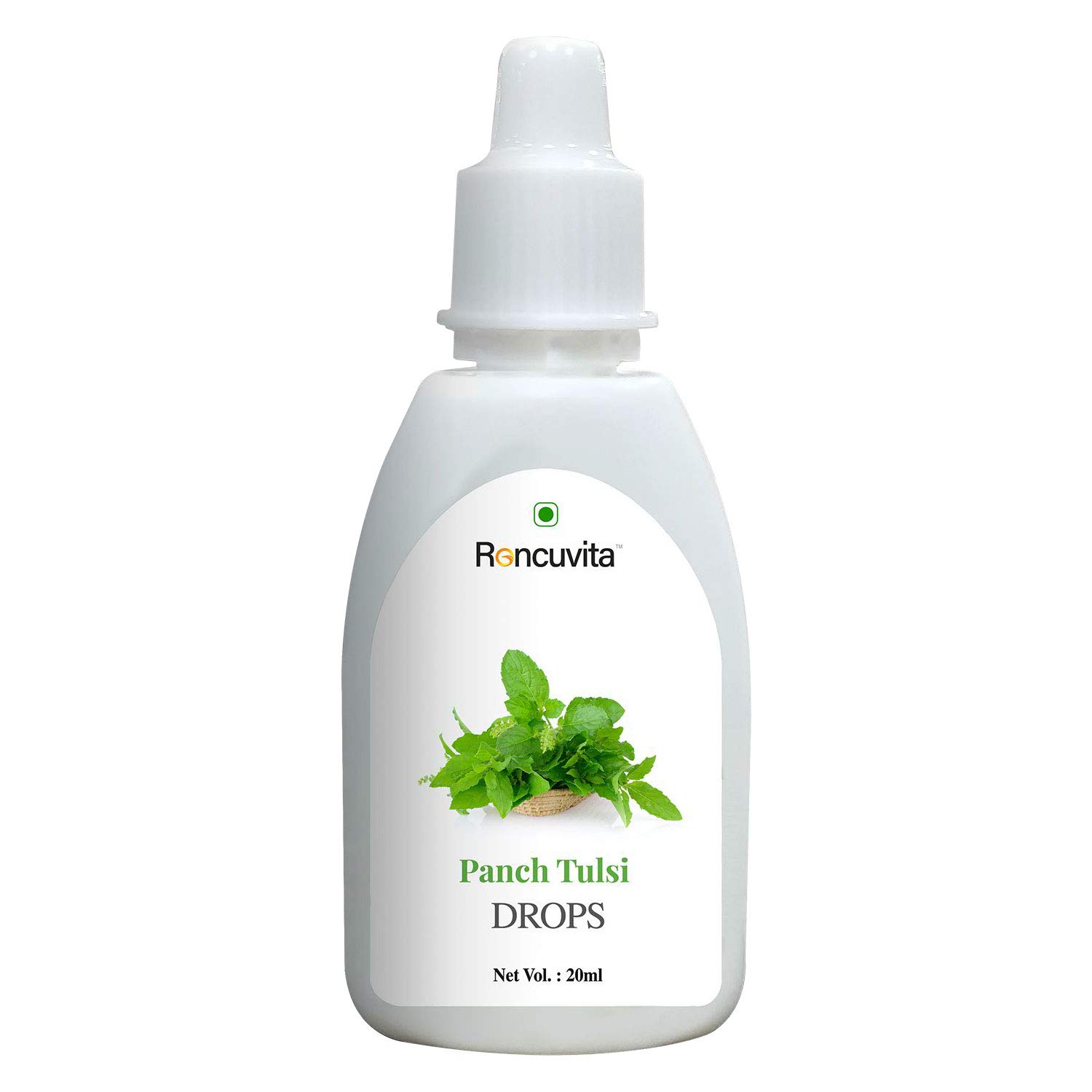
They are known to be viable in hack, cold, causticity, stoppage, stomach torment, stomach torment and viral or occasional fever, expanding in lungs, hypertension, chest clog, weakness, regurgitating, corpulence, joint inflammation, asthma, sickliness and ulcers.
Is a successful adjuvant in the administration of a hack, chilly, ongoing bacterial sickness, skin illness and indigestion.It is valuable in alleviation from stress and decreases the wear and tear because of its cancer prevention agent impact.
Since Pancha Tulasi drops is a high concentrate is smarter to abstain from devouring straightforwardly.
It has massive enemy of contagious and against bacterial properties which shield us from an assortment of contaminations.Diminishes Stress: Tulsi contains intensifies like Ocimumosides An and B, which diminishes pressure and equilibrium the synapses serotonin and dopamine in the mind.
It is accordingly known as an enemy of stress specialist.Beat Infections: Panch Tulsi helps battle against different medical issues related with contamination and other irresistible conditions like Asthma, Anemia, Migraine, normal sensitivities, skin rashes, irritation, influenza and so on It is likewise valuable for ulcer and diseases in the mouth.Decreases Hypertension: Panch Tulsi drops assist with battling heart-related dangers and control the degree of blood cholesterol.
Panch Tulsi Drops Benefits is hence an astounding antimicrobial specialist utilized in food items as a fixing just as medication.Natural and moderate invulnerability sponsors for you.