What Is a Data Management Tool?
A data management tool is software designed to collect, store, organize, protect, and process data efficiently. These tools help businesses maintain high-quality data, ensure compliance with governance policies, and unlock insights that drive business growth.
Key Features of the Best Data Management Tools
Data Integration – Connects multiple data sources into a unified system.
Data Quality Management – Identifies duplicates, inconsistencies, and inaccuracies to maintain clean data.
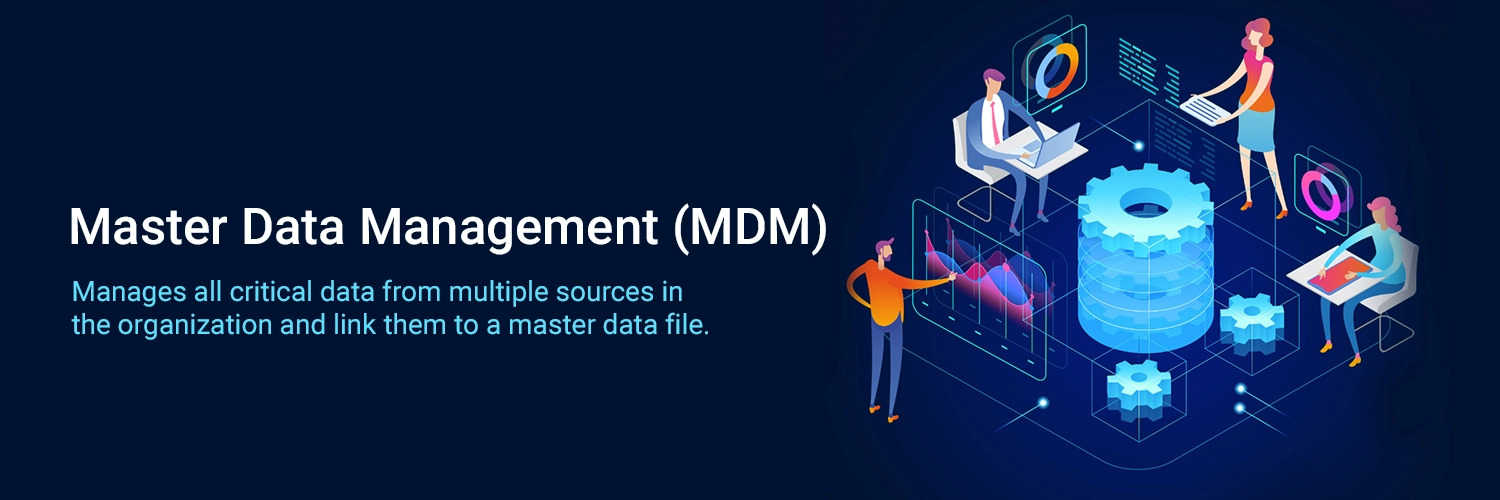
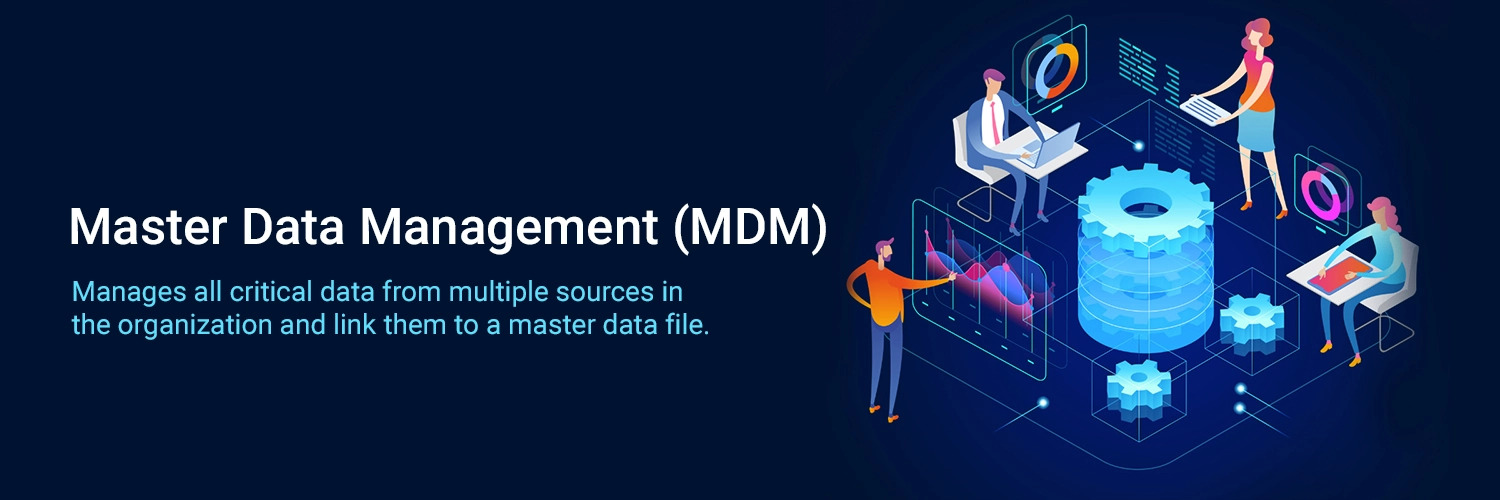
Master Data Management (MDM) – Creates a single, authoritative source of truth.
Scalability – Handles growing data volumes without performance issues.
Governance & Compliance – Ensures alignment with GDPR, HIPAA, or other regulations.
User-Friendly Interface – Offers easy accessibility for technical and non-technical users.
Popular Data Management Tools in 2025
Informatica – Known for enterprise-level integration and governance.
Talend – Open-source friendly and strong in data integration.
Microsoft Azure Data Factory – Cloud-native with robust scalability.
SAP Master Data Governance – Strong ERP integration for enterprises.
Oracle Enterprise Data Management – Designed for large organizations with complex ecosystems.
Collibra – Specializes in governance and stewardship.
Benefits of Using the Right Data Management Tool
Improved Decision-Making – Reliable, real-time insights.
Cost Efficiency – Reduces errors, redundancies, and operational inefficiencies.
Regulatory Compliance – Ensures data privacy and protection standards are met.
Enhanced Customer Experience – Better personalization and service delivery.
How to Choose the Best Data Management Tool
Understand Business Needs – Define if you need data governance, integration, or analytics.
Evaluate Scalability – Pick a tool that grows with your organization.
Check Compatibility – Ensure it integrates with your existing IT ecosystem.
Consider Cost vs. Value – Balance features with budget.
Prioritize Security – Data protection should be non-negotiable.
Conclusion
The best data management tool is not a one-size-fits-all solution—it depends on the scale, industry, and specific needs of your business. By focusing on integration, quality, compliance, and scalability, organizations can build a solid foundation for digital transformation and future growth.