India’s industrial growth has been rapid in the last few decades. From edible oil mills in Gujarat to textile factories in Surat, and from pharmaceutical plants in Hyderabad to mining operations in Jharkhand, one piece of equipment has quietly become a necessity – the filter press.
A filter press helps separate solids from liquids, making the process cleaner, faster, and more efficient. With industries becoming more focused on sustainability and efficiency, the demand for a reliable filter press supplier in India has grown significantly. According to market studies, the global filter press market is set to cross USD 2.3 billion by 2030, and India is contributing a strong share to this growth.
What is a Filter Press?
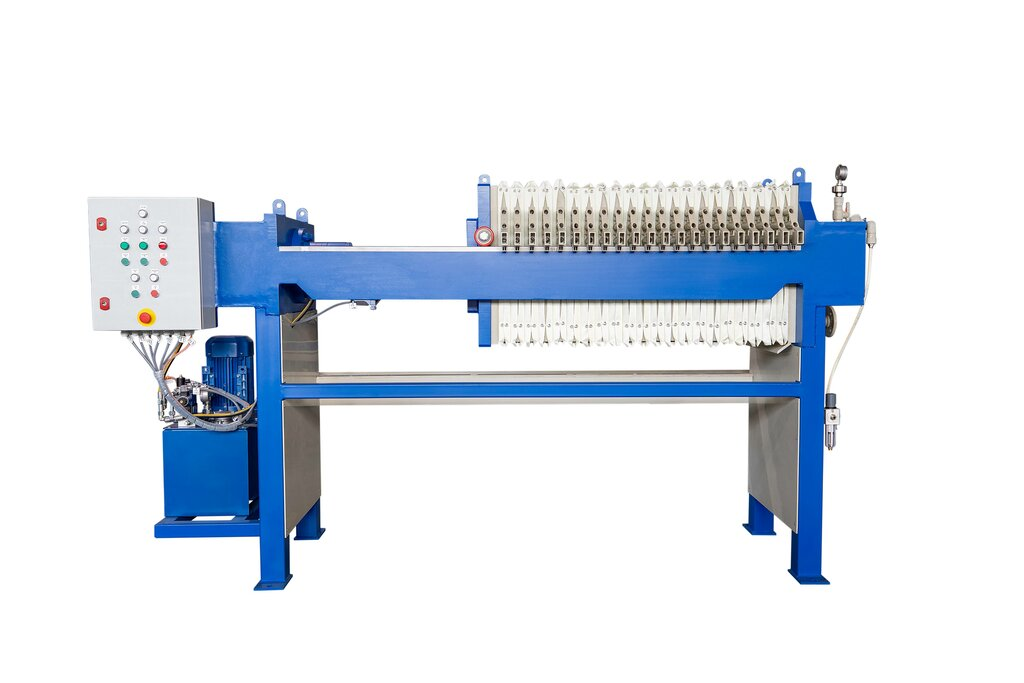
A filter press is a machine designed to remove impurities by separating solids from liquids. It works by pumping slurry (a mix of solids and liquid) into chambers lined with filter cloths. The cloth traps the solid material, while the liquid passes through.
Main Components of a Filter Press:
- Filter Plates – form chambers to hold the slurry.
- Filter Cloths – capture the solid particles.
- Hydraulic or Mechanical System – keeps plates tightly closed.
- Pump – pushes slurry into the machine.
Filter presses can be manual, semi-automatic, or fully automatic, depending on the level of efficiency and automation required.
Why Industries in India Depend on Filter Presses
- High Efficiency: They provide clear filtrate and dry cake, improving product quality.
- Cost Savings: Many industries recover valuable material during filtration.
- Environment-Friendly: They help in wastewater treatment, reducing pollution levels.
- Durability: With proper maintenance, a good-quality filter press lasts 10–15 years.
Filter Press Applications Across Industries
1. Oil Industry
India is the second-largest consumer of edible oil. From mustard oil in Rajasthan to groundnut oil in Gujarat, filter presses play a crucial role. They:
- Remove impurities to ensure clear, high-quality oil.
- Support biodiesel production, which is growing under India’s renewable energy mission.
- Help small oil mills compete with large-scale refiners by reducing wastage.
2. Chemical Industry
The chemical hubs in Gujarat and Maharashtra rely on filter presses for:
- Filtration of dyes, pigments, and specialty chemicals.
- Handling corrosive liquids with strong filter cloths and plates.
- Meeting export standards for global chemical buyers.
3. Pharmaceutical Industry
India is called the “Pharmacy of the World”, contributing 20% of global generic medicines. In this sector, filter presses are used for:
- Purifying raw drug materials.
- Ensuring compliance with WHO and Indian FDA standards.
- Achieving safe and contamination-free production.
4. Food & Beverage Sector
From sugar mills in Uttar Pradesh to juice factories in Maharashtra:
- Filter presses help in juice clarification.
- In sugar plants, they filter cane juice for pure crystals.
- They are also used in alcohol, beer, and beverage production.
5. Mining & Metallurgy
India’s mining states like Jharkhand, Chhattisgarh, and Odisha use filter presses to:
- Treat the slurry from coal washing.
- Process ores and metal concentrates.
- Reduce the environmental impact of mining waste.
6. Textile & Dyeing Industry
Surat, Tiruppur, and Ludhiana textile clusters use filter presses for:
- Dye recovery from wastewater.
- Recycling water to lower freshwater consumption.
- Meeting strict pollution control norms.
7. Ceramic & Tiles Industry
In Morbi, Gujarat, India’s ceramic capital:
- Filter presses are used to recover clay and glaze.
- Reduce sludge generation, cutting production costs.
8. Wastewater Treatment Plants (WWTPs)
India generates around 72,368 MLD (million litres per day) of urban wastewater, but only 30% is treated. Filter presses are vital in:
- Municipal sewage treatment.
- Industrial effluent treatment (ETP) plants.
- Supporting Swachh Bharat and environmental goals.
9. Paper & Pulp Industry
Indian paper mills use filter presses for:
- Fibre and water separation.
- Recycling water within plants to reduce costs.
10. Leather & Tanning Industry
In leather hubs like Kanpur and Tamil Nadu:
- Filter presses treat tannery effluents.
- Ensure compliance with Indian pollution control standards.
Benefits of Using Filter Presses in Industries
- High Filtration Quality – Achieves clarity levels up to 95–98%.
- Cost Savings – Recovers raw materials like oil, dyes, and chemicals.
- Eco-Friendly – Reduces industrial discharge and supports the reuse of water.
- Low Maintenance – Simple design ensures easy upkeep.
Key Factors to Consider Before Choosing a Filter Press in India
When selecting a filter press supplier, industries must consider:
- Type of Press: Manual, hydraulic, or automatic.
- Capacity: Number of plates and processing volume.
- Material: Cast iron vs. stainless steel, depending on usage.
- After-Sales Service: Availability of spares and maintenance support.
Leading Filter Press Suppliers in India
Some of the most trusted names in India’s filter press market are known for:
- ISO-certified manufacturing.
- Strong export presence in Asia, Africa, and the Middle East.
- Customisation as per industry requirements.
Popular searches in India include:
- “Best filter press supplier in India”
- “Oil filter press supplier near me”
- “Hydraulic filter press manufacturers India”
This shows that industries are actively searching for reliable suppliers who provide both technology and after-sales service.
Future of Filter Press Technology in India
- Smart Filtration: IoT-based monitoring and automation.
- Eco-Friendly Solutions: Use of biodegradable filter cloths.
- Energy-Efficient Models: Reducing electricity consumption by 20–30%.
- Make in India Growth: Indian suppliers becoming global leaders.
Conclusion
From oil mills and chemical plants to mining and wastewater treatment facilities, filter presses have become essential across industries in India. Their ability to reduce costs, improve efficiency, and support environmental sustainability makes them indispensable.
Choosing the right filter press supplier is crucial for industries aiming to grow in a competitive market. With India emerging as a manufacturing hub, businesses now have access to world-class suppliers locally, reducing dependence on imports while ensuring high-quality production.
FAQs
1. Which industries use filter presses the most in India?
Oil, chemicals, pharmaceuticals, textiles, mining, and wastewater treatment.
2. What is the price of an industrial filter press in India?
Prices vary from ₹3–4 lakhs for small units to ₹20+ lakhs for large, automatic presses.
3. How do filter presses help in wastewater treatment?
They separate sludge from water, making it easier to recycle or discharge safely.
4. Who are the leading filter press suppliers in India?
ISO-certified suppliers in Gujarat, Maharashtra, and Tamil Nadu dominate the market.
5. What are the advantages of choosing an Indian filter press supplier?
Cost-effectiveness, availability of spares, and machines designed for local conditions.