Why timelines slip—and how to prevent it
Chrome-plated rod supply is a relay race across metallurgy, machining, surface engineering, and logistics. Lead time is not a single number; it is a distribution. Variability—not averages—blows up schedules. The cure is procedural: freeze critical specifications early, book capacity before the rush, and instrument the process with gates that detect drift within hours, not weeks. Build a playbook that privileges predictability over theoretical minimums. Then execute it relentlessly.
The anatomy of lead time: from billet to booked vessel
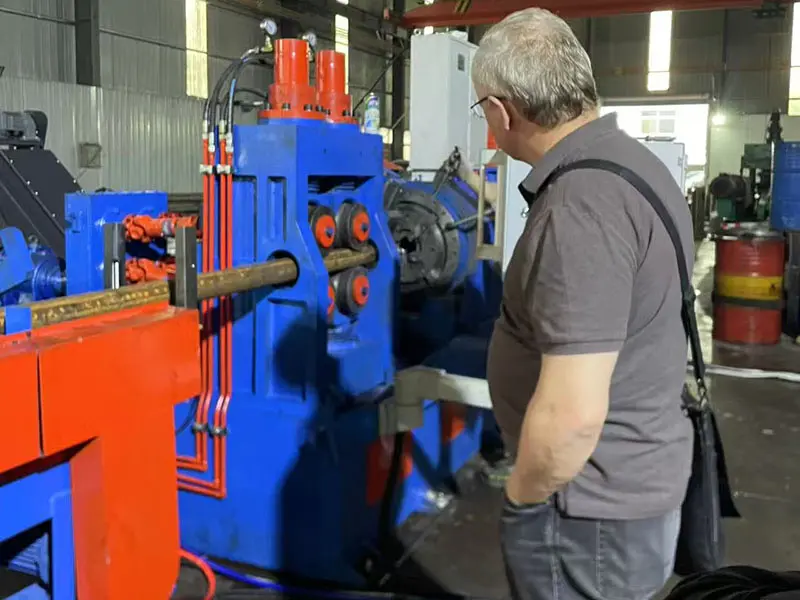
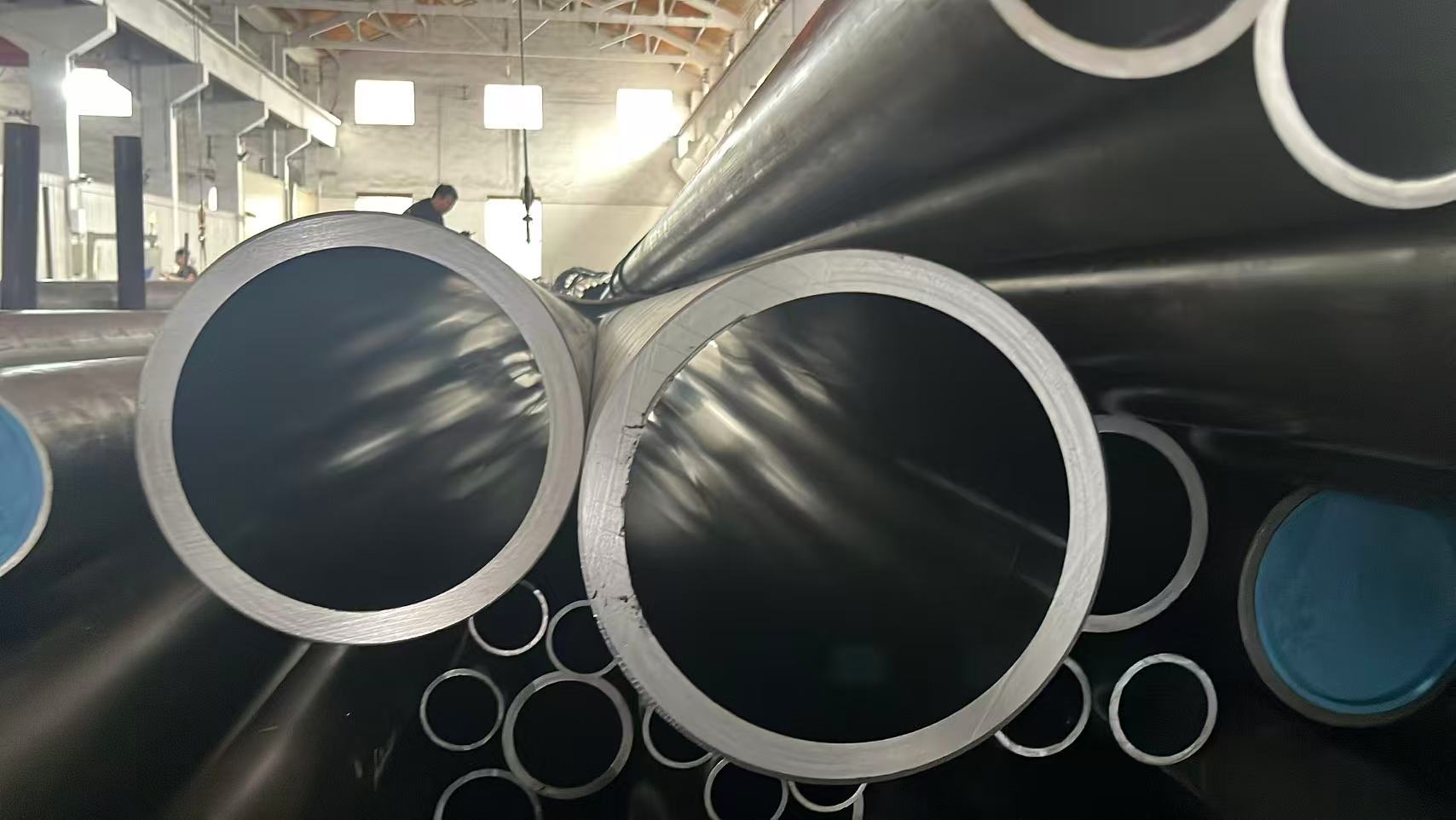
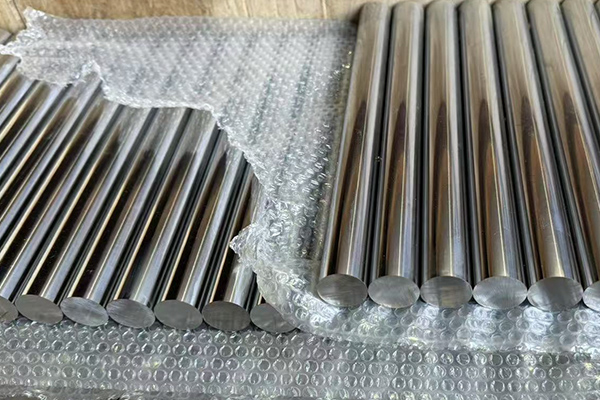
From billet allocation to container loading, the path includes cold drawing or peeling, stress relief, precision grinding, polishing, chrome deposition, de-embrittlement bake, dimensional/surface QA, packaging, and export formalities. Touch time is short. Queue time is not.
What truly drives risk: variability, not averages
Average straightness is meaningless if the tail of the distribution trips acceptance. So is “typical” tank utilization when peaks cause rollovers. Control variance with SPC, slot booking, and change-control discipline.
A playbook for predictable deliveries in unpredictable times
Reserve upstream steel, fix the plating stack, publish a bilingual control plan, and lock in inspection capacity. Tie payments to milestones that force early detection of defects. Always maintain an alternate plant and an alternate port.
End-to-end timeline map: days from PO to warehouse
Process block times: melting, drawing, grinding, plating, QA, packing
Melting and hot-roll are usually upstream and shared across customers. The buyer’s clock effectively starts at cold drawing or peeling. Grinding and plating dominate cycle time when rework appears; QA and packing dominate when capacity is tight.
Queue times vs touch times: where hidden weeks live
A grind pass takes minutes; waiting for a wheel change or a free tank takes days. Lab backlogs can add more.
Ocean, customs, and domestic drayage: the last-mile reality
Sailings slip, containers roll, customs asks a question. The last mile is frequently the longest.
Capacity and seasonality: the calendar you must plan around
Lunar New Year, Golden Week, and national sports/Expo events
Factories compress shifts pre-holiday, then restart with training curves. Ports operate, but congestion spikes.
Power rationing, environmental audits, and heat-wave slowdowns
Regional power curbs and plating audit blitzes throttle tanks and ovens. Expect rolling constraints and allocate slack.
Steel mill maintenance cycles and plating-chemistry changeovers
Converter turnarounds and sanctioned chemistry switches change properties and throughput. Re-qualify early; don’t discover it at goods-in.
Upstream constraints: steel availability and specification lock
Heat number reservation, MTR timing, and mill MOQs
Reserve heat numbers the week the PO is raised. Tie lots to MTRs before machining begins. Negotiate MOQs that fit cadence, not the mill’s convenience.
Alloy switches (CK45 vs 42CrMo4) and their schedule penalties
Strength upgrades add heat-treat and bake sensitivity. Lead time increases unless reserved capacity exists.
What happens when drawing/peeling lines go to priority contracts
Line pre-emption is real. The countermeasure is dual-line approval and priority windows embedded in the annual agreement.
Midstream bottlenecks: grinding, polishing, and plating throughput
Wheel dressing, coolant cleanliness, and grind-burn rework risk
Dull wheels and dirty coolant cause white layer and rework. A cheap filter can save a week. Track burn alarms and scrap trends on a live dashboard.
Plating tank utilization, bake-out ovens, and shift coverage
Tanks and ovens set the takt. If the night shift is thin, utilization drops. Pay for the shift; buy the time.
SPC-driven rework loops: catching defects without slipping ships
Plot straightness, Ra, and thickness by lot. Intervene at the first outlier with micro-rework, not a full strip-and-replate cycle.
Quality gates that add time—but prevent disasters
Straightness per meter, Ra, thickness, hardness, adhesion: gate logic
Reject early or ship late. Those are the options. Gate where defects originate, not where they are hardest to fix.
Gage R&R and calibration queues: how to book lab capacity
Reserve profilometer and micro-Vickers time like production time. Labs have bottlenecks too.
PPAP/FAI for new SKUs: when sample approval is a project by itself
Treat first article as a mini-program: DFM notes, control plan, MSA, capability runs. Short pain, long gain.
Packaging and damage control: schedule killers in disguise
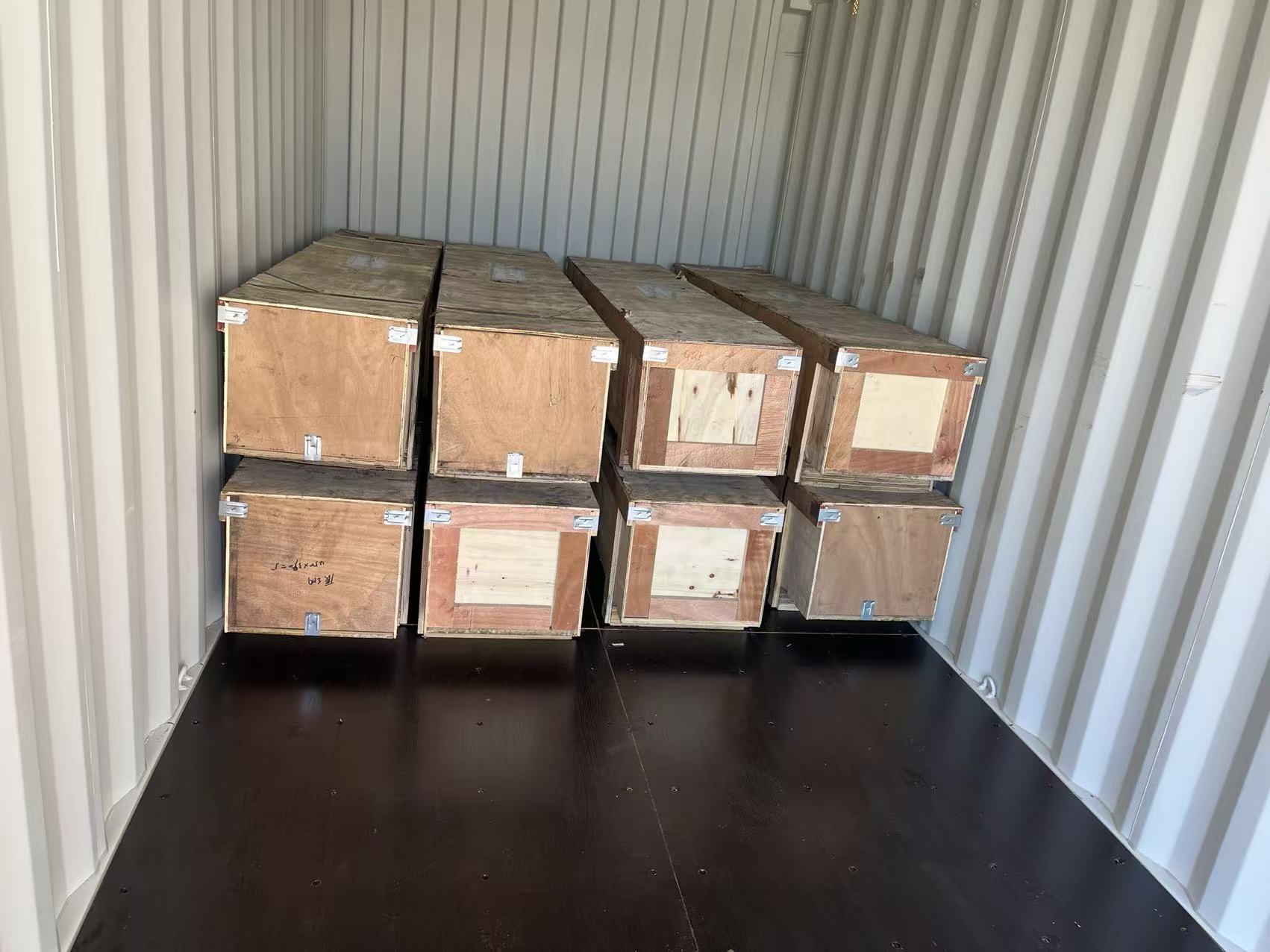
End-cap design, VCI, dividers, and crate engineering for ocean shocks
Ovalization starts at the ends. VCI wraps, humidity cards, and braced dividers turn “cosmetic” dings into non-events.
Photo evidence, serialization, and tamper indicators
Time-stamped photo sets and serialized bundles compress claim cycles from weeks to days.
How improper lashings turn into two-week replacement cycles
A single shifted crate can cascade into strip-and-replate rework. Lash for sea states, not for the parking lot.
Ports, vessels, and containers: logistics roulette
Container scarcity, blank sailings, and rollovers: reading carrier signals
Watch schedule reliability metrics and book earlier VGM (verified gross mass). Dual-port options cut rollover exposure.
Choosing FOB/CIF/DAP by lane volatility and shipment size
FOB grants carrier control; CIF transfers insurance chores; DAP buys certainty at a premium. Model by cube-weight and seasonality.
Transshipment risk maps and alternative port strategies
Direct calls beat transshipments when time matters. Maintain a bench of secondary ports with known customs tempo.
Customs, compliance, and trade policy impacts
HS code alignment, anti-dumping, CCC/REACH/RoHS documentation
Misclassification stalls cargo. Align HS codes with product reality and maintain compliance dossiers ready for pre-clearance.
Pre-clearance packets and common paperwork failure modes
Commercial invoice, packing list, MTRs, test reports, MSDS, and certificates—small typos trigger big delays. Run a two-person check.
Sanctions, tariff shifts, and the need for dual HTS planning
Keep alternate HTS justifications on file for borderline configurations. Policy shifts can land mid-voyage.
Cash, credit, and FX: financial frictions that add days
L/C discrepancies, bank holidays, and compliance holds
Letter-of-credit minutiae cause week-long purgatory. Use pre-advice templates and calendar bank holidays on both sides.
Prepayment vs milestones: cash-to-schedule correlations
Prepay pulls forward priority; milestone payments tied to PSIs enforce discipline. Balance leverage and liquidity.
Hedging and indexation clauses that stabilize promise dates
Index steel and chemical inputs; hedge FX on large lots. Financial stability is schedule stability.
Supplier risk taxonomy: how and where orders derail
Material substitution, coating delamination, and spec drift
Spec drift starts as “one time.” It becomes the norm. Guard against silent substitutions and unannounced plating chem changes.
Labor turnover and night-shift variability
Skills decay at 2 a.m. unless trained and audited. Night-shift capability is a leading indicator of true capacity.
Single-point failures: the one oven, one tank, one QA bench problem
Redundancy is capacity insurance. If there’s only one oven, there’s a schedule risk.
Control levers: making lead time predictable
Capacity reservations, slot-booking, and frozen windows
Lock slots weekly. Freeze specs inside a two-week window to stop late-stage churn.
Dual-tooling, dual-plant approvals, and mirrored process plans
Mirror fixtures and control plans across sites. Approve the second source before you need it.
Vendor-managed inventory and bonded stock options
For A-movers, hold rods in bonded warehouses near the port or destination. Cash-flow friendly, schedule-friendly.
Forecasting and order cadence: beating the bullwhip
Rolling 13-week forecasts and pull signals that vendors can act on
Vendors plan on signals, not surprises. Publish a rolling view and honor the near horizon.
MOQ/EOQ tuning for rods, cuts, and specials
Over-large MOQs create whiplash; undersized lots waste setups. Solve with data, not instinct.
Firm vs flexible horizon policies that actually work
Make the next four weeks firm; weeks 5–13 flexible within bands. Everyone sleeps better.
Contract architecture: clauses that buy time when it matters
Delay penalties, rework liability, and service credits
If the risk is priced, it’s managed. Tie credits to measurable misses.
Force majeure with measurable recovery plans
Force majeure happens. The plan afterward must be timed, staffed, and costed.
Change-control triggers: chemistry, wheel spec, bake profile, packing
If it can alter performance or throughput, it requires written approval and, often, re-qualification.
Inspection strategy: speed without blind spots
PSI sampling plans tied to risk class (AQL by CTQ)
Sample to risk, not to habit. Critical-to-quality features deserve tighter AQLs.
Which tests to run at factory vs third-party labs (time and cost deltas)
Run fast screens in-house (Ra, straightness, thickness). Send periodic lots to third-party labs for hardness, adhesion, and salt-spray.
Data formats (CSV/XLS), photo logs, and calibration certificates that pass audits
Raw data wins arguments. Require exports, timestamps, and calibration proofs.
KPI dashboard: measuring what keeps schedules honest
OTIF (on-time, in-full), FPY, rework rate, and lab TAT
If FPY falls, OTIF follows. Lab turnaround time predicts shipment release.
Variance in straightness/Ra/thickness as an early delay signal
Rising variance precedes rejects. Treat it as a fire alarm.
Lead-time decomposition: touch vs queue time benchmarks by supplier
Publish supplier-specific baselines. Improvement follows visibility.
Playbook for expedited scenarios: when time is the product
Split shipments, air–sea combos, and partial releases
Ship critical diameters or lengths first. Blend modes to hit line-start dates.
Engineering concessions that do not compromise seal life
Hold Ra, straightness, and adhesion rigid. Flex on non-critical cosmetics or packaging specs.
When to pivot to hollow rods or alternate alloys for faster cycle
Geometry and alloy changes can reduce takt. Validate quickly, then commit.
Case vignettes: delays autopsied and prevented
Port rollover avoided by dual-port booking and earlier VGM
A dual-booking policy and VGM at T-3 days eliminated a prior month’s rollover, saving nine days.
Grind-burn spike traced to coolant filtration—SPC alert saved a week
Variance in Ra lit the dashboard. Coolant filters were fouled. Corrective action prevented mass rework.
L/C discrepancy eliminated via pre-advice template and checklists
Pre-advice aligned documents; zero discrepancies; funds released on day one.
Buyer toolkit: templates and checklists for execution
RFQ annex for timeline-critical CTQs and data packs
Mandate diameter tolerance, straightness per meter, Ra targets, chrome thickness/hardness, adhesion method, and bake profile—plus data formats.
PSI checklist for chrome-plated rods (straightness, Ra, thickness, HV, adhesion)
Include sampling plans, instruments, and acceptance thresholds. Require photos and serials.
Escalation ladder, response SLAs, and meeting cadence calendar
Name owners, set 24/48-hour SLAs, and memorialize weekly cadence with action trackers.
Contingency and resilience plan: preparing for the worst week of the year
Safety stock math for A, B, and C movers
Right-size buffers by velocity and variability. Recompute quarterly.
Alternate routing matrix and emergency carrier bench
Keep port and carrier backups live. Practice the switch before you need it.
Post-incident RCA and CAPA that tighten the next promise
Close the loop with structured root-cause and corrective actions. Publish the fix.
FAQs for time-sensitive buyers
How much buffer to carry around Lunar New Year?
Plan for +10–20 calendar days across production and logistics. Freeze specs six weeks prior; pull forward PSIs; book vessels early.
What inspection items can be parallelized to save days?
Run Ra, thickness, and straightness in parallel at end of line. Reserve lab time for hardness/adhesion windows. Pre-stage gages and fixtures.
When does DAP beat FOB for schedule certainty?
When forwarder performance is uneven or lane volatility is high. DAP centralizes accountability and often shortens exception resolution.
How to structure deposits and milestones to de-risk slippage?
Stage payments on steel reservation → mid-process PSI → pre-shipment PSI. Missed gates trigger corrective actions before the slip compounds.
Which packaging upgrades most reduce transit damage and rework time?
Rigid end caps, VCI + moisture indicators, internal dividers, and photo-verified lashings. These upgrades are cheap compared to a strip-and-replate cycle.
10 Key Considerations When Sourcing Chrome Plated Rods from China