

Why do so many startups still run payroll on spreadsheets? I was asked this recently by a founder over coffee. It was not the first time either. Founders often have a lot on their plates, like focusing on business growth, securing funding, and managing daily operations. Payroll feels like an administrative chore that they can push to later. But later is when the mistakes can accumulate.
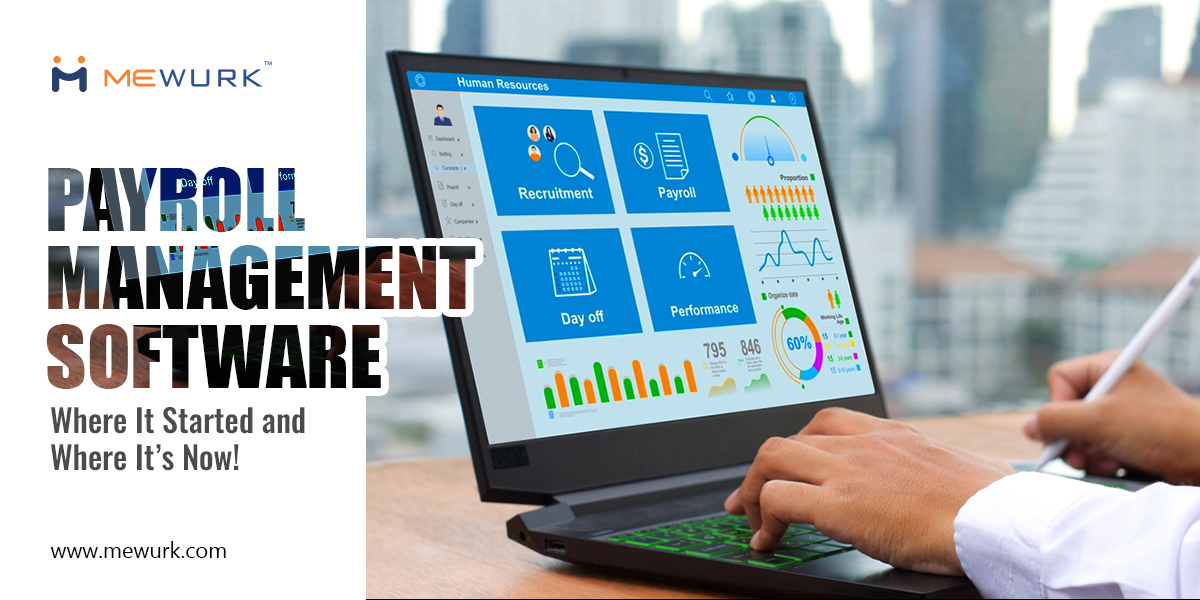
Payroll management style has changed a lot in the last decade. Back then, you either hired an accountant or wasted a weekend doing calculations yourself. Now, payroll management software has turned into something startups can plug in and forget. Except that you shouldn’t forget to choose the right tool to avoid more significant costs than the subscription fees.
Why Payroll Becomes a Challenge for Startups?
Startups have a strange relationship with payroll. On one hand, it’s the one thing you absolutely cannot get wrong. Miss a salary date, and your employees won’t care how visionary your pitch deck looks. On the other hand, payroll is invisible when it works. No one will ever care to send you a thank-you note for getting paid on time.
That invisibility tricks many founders into underestimating payroll software for small businesses. Most just assume, ‘How hard can it be? Just calculate salaries, deduct taxes, and transfer money, that’s all.’ But like splitting a restaurant bill with friends, payroll looks deceptively simple until you are inside it. Each deduction, leave policy, and compliance update can present a new challenge.
What Makes Payroll Management Software More Than Automation for Startups?
Many people mistakenly see payroll software as nothing more than a fancier version of Excel. But it’s not. Good payroll processing software quietly absorbs the complexity you would otherwise handle yourself. Taxes, statutory filings, employee benefits, bonuses, reimbursements. None of these components scales linearly with headcount. They become more complex and difficult to manage as your team grows.
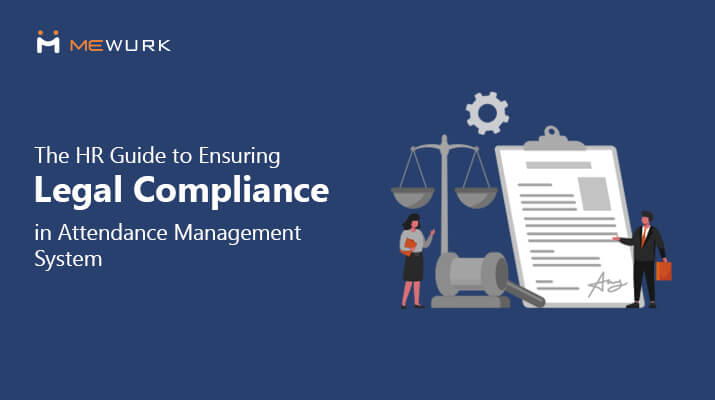
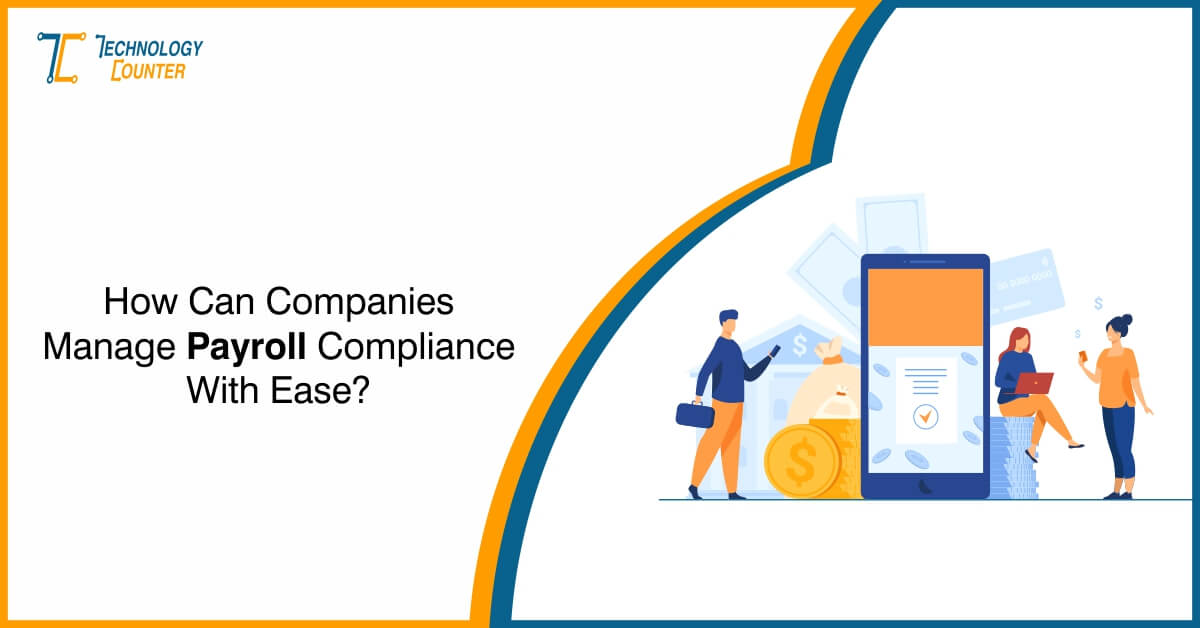
As far as the cost of mistakes is concerned, the costs go far beyond money. Ask any founder who has had to pay penalties for a late compliance filing. It’s also wasted hours with auditors explaining why the numbers don’t tally up. It has cost them their employees’ trust that they will be paid on time, and their lives can go on without unprecedented problems.
When it comes to trust, there’s another area that often gets overlooked—the trust between your company and the government. Frequent compliance issues can quickly shift you from being whitelisted to blacklisted.