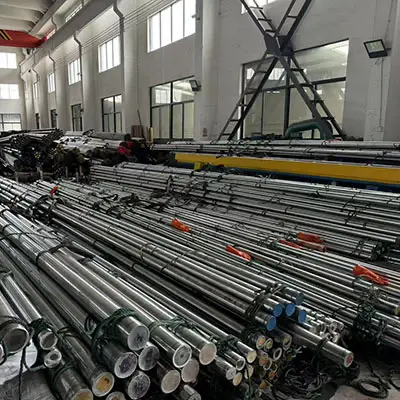
Selection Principle: Load Cycle Oriented
Every coating decision involves balancing corrosion resistance, wear resistance, cost, and compliance. Prioritize load conditions and environmental factors; only consider price and appearance when the coating matches the application. An incompatible coating may save pennies but could cost weeks in downtime losses.
Decision Weighting Model
Corrosion Level (40%) > Wear Resistance (30%) > Cost (20%) > Aesthetics (10%).
Dynamic weight adjustments are required for special scenarios—marine exposure, food contact compliance, or ultra-clean environments demand uncompromising surface chemistry and residue requirements.
Priority Matrix for Typical Scenarios
Hydraulic Systems: Wear > Corrosion > Cost—Seal lifespan and downtime costs drive decisions.
Food Processing Machinery: Corrosion > Cleanability > Compliance—Inert surfaces and certification pathways take precedence.
Marine Components: Salt Spray Durability > Impact Resistance > Traceability—Service life determined by salt spray endurance and impact resistance when no testing is available.
Technical Foundations: Electroplating and Chemical Plating
Chromium Plating (Hard Chrome/Decorative Chrome)
Hardness Range: 850–1150 HV (Hard Chrome); 700–900 HV (Decorative Chrome).
Process Characteristics: Current density ~2–5 A/dm²; Plating bath temperature 50–60 °C; Microcrack network accumulates lubricants and promotes boundary film formation.
Coating Thickness Strategy: Standard conditions: 20–30 μm; Marine/chemical fertilizer or abrasive conditions: 40–50 μm recommended.
Nickel Plating (Electroplating/Chemical Plating/Hybrid Nickel)
Hardness Range: 200–600 HV (electroplated nickel); hybrid systems (e.g., Ni–SiC, Ni–B) with appropriate treatment can reach 800–1200 HV.
Process Characteristics: Electroless nickel deposited near ambient to moderate temperatures exhibits exceptional uniformity; requires no external current, providing excellent coverage on complex geometries and blind holes.
Layer Structure: Single-layer nickel; dual-layer Ni–Cr; Ni–SiC or Ni–diamond composite layers for areas subject to severe abrasion.
Substrate-Coating Interaction & Pretreatment
High-Strength Steel (e.g., 42CrMo4)
Hydrogen Embrittlement Risk: Requires post-plating debrittling bake (approx. 200°C × 2 hours); strictly control pre-cleaning and cathode parameters.
Stress & Deformation: Manage residual stresses; consider post-plating stress relief/straightening to maintain straightness.
Surface pretreatment and bond coat
Pretreatment sequence: Degreasing → Activation → Pre-deposition (e.g., copper or nickel impact layer) → Main coating.
Adhesion target: Peel/bend test ≥5 MPa. Add edge rounding (R0.3 mm) to suppress edge lifting and stress concentration.
Roughness Control: Substrate Ra ≤ 0.8 μm pre-plating; finished bar stock Ra ≤ 0.2 μm achieves seal-friendly zone.
Application Layer: Select Based on Dominant Failure Mode
Wear-Dominant Conditions
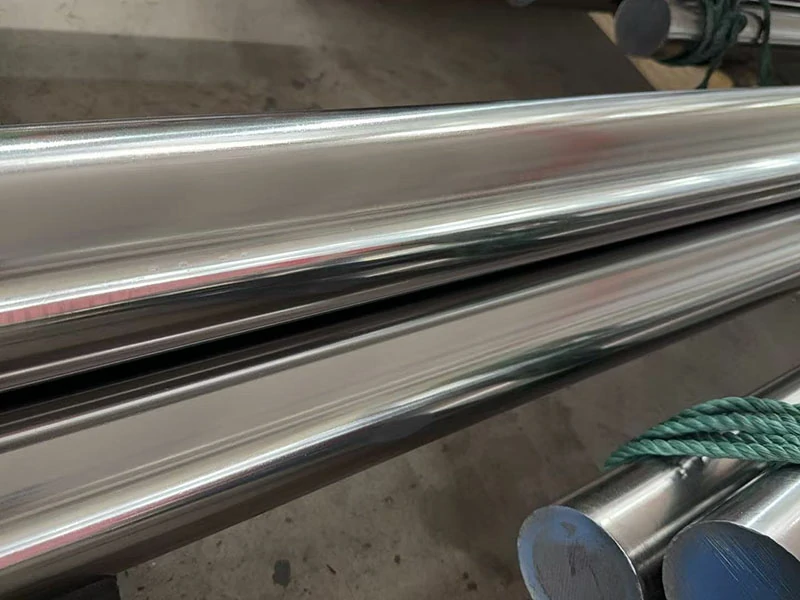
Hydraulic Piston Rods: Hard chrome plating excels through microcrack oil retention and anti-scratch properties. Typical failures: Micro-spalling and scratch lines—simultaneously monitor Ra and waveform (Wa) to extend seal life.
Linear guides/shafts: Composite nickel-based coatings (Ni–SiC/Ni–B) achieve a coefficient of friction (μ) of approximately 0.15 while maintaining dimensional stability during repeated reciprocating motion.
Corrosion-Dominant Conditions
Marine/Fertilizer/ Salt Spray Environments: With optimized formulations and post-treatment, nickel coatings achieve barrier performance of NSS ≥ 1000 hours; unsealed chromium layers with microcracks accelerate pitting corrosion without passivation or overcoating.
Food Equipment: Nickel-free plating provides inert surfaces and polishability to meet sanitary requirements; process routes compliant with FDA/3-A sanitary standards must be planned.
Aesthetics-Driven Applications
Automotive Trim: Decorative chrome plating achieves Ra ≤ 0.1 μm and gloss ≥1000 GU; mirror finishes typically require multi-layer nickel deposits with precision polishing.
Performance Metrics & Validation Methods
Dimensions & Form
Diameter/Tolerance: Rods commonly use ISO f7 fit grade.
Straightness: ≤ 0.2 mm/m is a stringent control target for premium materials; verification requires dial gauges on V-blocks or calibrated straightness reference benches.
Surface & Hardness
Roughness: Ra ≤ 0.2 μm is the baseline requirement; Wa control must be added to reduce oil pump discharge and leakage.
Hardness: Verify Vickers hardness distribution and thermal stability; For composite nickel-based materials, focus on post-heat treatment and matrix hardening phenomena.
Thickness and Adhesion
Thickness: Non-destructive testing using X-ray fluorescence or eddy current thickness gauges; cross-section analysis required for critical areas.
Adhesion: ASTM B571 standard methods (bend, scratch, peel tests); evaluate microcrack density/porosity to predict service life.
Economics: Focus on total lifecycle cost, not unit price
Cost Drivers (Examples)
Chemical Composition/Materials: Chromium ≈ $3.5/kg; Nickel ≈ $18/kg (from electroplating solution/consumables perspective).
Energy Consumption: Electroplated chromium typically higher; Nickel-free plating is intermediate but significantly influenced by temperature control and replenishment cycles.
Wastewater Treatment: Hexavalent chromium wastewater treatment ~$200/ton; nickel-containing wastewater treatment ~$500/ton (based on conventional regulatory standards).
Quality Costs: Peeling/replating, scrapping, transport damage, and downtime are hidden profit killers.
Lifecycle Modeling (Scenario-Based)
Hard Chrome: Moderate initial cost with exceptional wear resistance; extended maintenance cycles with proper passivation/sealing.
Electroless Nickel: Uniform thickness, adaptable to complex geometries; longer lifespan in harsh corrosive environments but higher chemical costs. Operational Sensitivity Analysis: Downtime cost/hour, logistics, rework probability, re-plating expenses, and inventory turnover rate.
Compliance & EHS (Environment, Health, Safety)
Regulatory Highlights
Hexavalent Chromium: Subject to REACH Annex XVII restrictions and substitution pressure; requires documentation management or alternative sourcing.
Nickel Release: EN 1811 thresholds (e.g., jewelry ≤0.5μg/cm²/week) guide broader risk management—ensure industry applicability.
Factory Audit Key Points
Process Control: Real-time plating bath analysis (set Cr⁶⁺ < 0.1 ppm control target if applicable), high-efficiency filtration, agitation, and temperature distribution monitoring.
Traceability: Batch-specific reports for thickness/hardness/Ra/straightness, calibration certificates, sample retention records, NCR logs with corrective actions.
Supplier Capability & Process Control
Production Lines & Equipment
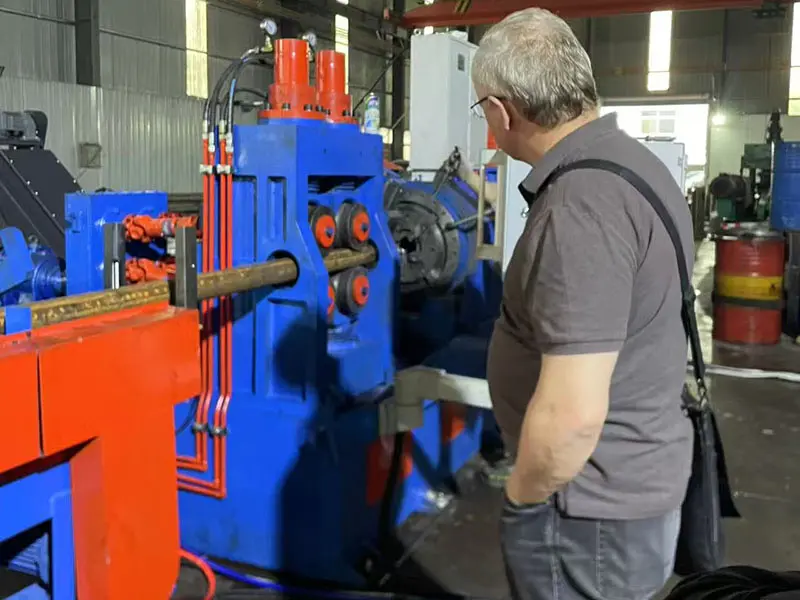
Centerless grinders, belt/stone/superfinishing equipment, calibrated straightness inspection racks, hardness and coating thickness gauges, with in-house stripping/re-plating capability. Confirm maximum length, diameter range, and end-face machining menu (chamfering, tapping, keyway milling).
Delivery & Service Level Agreements
Announced same-day/next-day cut-off times, delivery radius, and emergency response SLAs. Standardized packaging: VCI rust-proof film, moisture barrier, end caps, reinforced wooden crates/pallets, with rust prevention targets set for long-haul transport/export.
Supplier Screening & RFQ Workflow (Template-Based)
Scientific Selection Steps
Define operating environment (corrosion grade/wear/impact/cleanability) → Set minimum performance thresholds (HV/Ra/thickness) → Lock straightness and fit tolerances → Select coating system.
RFQ Package Checklist
Drawings with tolerances (including f7 tolerances), length and quantity, target Ra/Wa and hardness, coating thickness and target salt spray hours, inspection plan, and sample cycle.
Require ISO certification, substrate/heat treatment/plating certificates, and final inspection report samples.
Receiving, Failure Response & Corrective Actions
Incoming Inspection
Sample test diameter, straightness, thickness, hardness, and roughness. Record packaging and preservative information upon receipt. Isolate nonconforming items.
Common Defects – Quick Countermeasures
Edge curling: Introduce R0.3 mm chamfers; control edge thinning during polishing.
Hydrogen embrittlement: Post-plating bake at 200 °C × 2 h; optimize pre-cleaning and current density window.
Micro-spalling/scratches: Upgrade finishing processes; monitor Wa and upstream particle contamination sources.
Optimization and Upgrade Pathways
Composite Structures
Nickel-silicon carbide composite materials enhance wear life by ≈30% under identical load and stroke conditions, suitable for high-frequency reciprocating motion.
Premium Coatings
Diamond-like carbon (DLC) topcoat reduces friction coefficient to ≈0.05; paired with nickel base coat for clean/precision assembly. Sealing/passivation treatment extends service life in marine and fertilizer environments.
Warning Signals & Decision Verification Checklist
Warning Signals
Unclear certificates, drifting Ra values or thickness control, repeated rework on straightness, unresolved NCR reports, missing wastewater compliance records.
Decision Verification Checklist
Application adaptation → Locking hard metrics → Sample validation → Small-batch trial production → Signing SLA → Quarterly review and continuous improvement.
Procurement & Engineering FAQs
Q1: Can custom-length cutting be completed same-day? How are cutoff times and length tolerances set?
A1: Daily cutoff times are announced; ± length tolerances and deburring standards are clearly defined.
Q2: Do you stock 42CrMo4 material with 2-6m length and f7 surface roughness?
A2:Premium suppliers maintain inventory—verify straightness and end-face machinability.
Q3: How is straightness measured? What are typical values?
A3:Typically measured using ≤0.2 mm/m standards via V-blocks or specialized inspection stands with calibrated indicators.
Q4: How are products packaged for export or long-distance transport? What must certificates include?
A4:Packaging includes VCI rust prevention + moisture barrier + end caps + reinforced wooden crates. Certificates must cover chemical composition, hardness, thickness, Ra/Wa, straightness, and inspection method references.
Glossary and Reference Tables (Appendix)
f7 — ISO fit grade for shafts.
Ra/Wa — Mean roughness and waviness; both affect sealing performance.
HV — Vickers hardness.
NSS hours — Neutral salt spray test (corrosion comparison metric).
Hydrogen embrittlement — Loss of ductility due to hydrogen ingress; mitigated by post-plating baking.
Underlayer Copper-Nickel Coating — Thin copper-nickel base layer enhancing adhesion.
Compound Nickel Layer — Nickel matrix incorporating hard particles (silicon carbide/diamond) to enhance wear resistance.
Reference Targets by Operating Conditions (Project-specific values required)
- Hydraulic systems with predominant wear: HV ≥ 900, Ra ≤ 0.2 μm, thickness ≥ 25 μm, straightness ≤ 0.2 mm/m.
- Marine corrosion environments: Nickel-based plating with NSS ≥ 1000 h, surface sealed/passivated, exhibiting robust encapsulation performance.
Provide actionable quotes and technical responses at the fastest possible pace. Respond within 2 hours on business days. For a comprehensive understanding of chrome-plated rod materials, tolerances, and plating solutions, please contact our engineering team. For urgent projects, please call/WhatsApp directly: +86-18261507005
Web: mylerhydro.com