


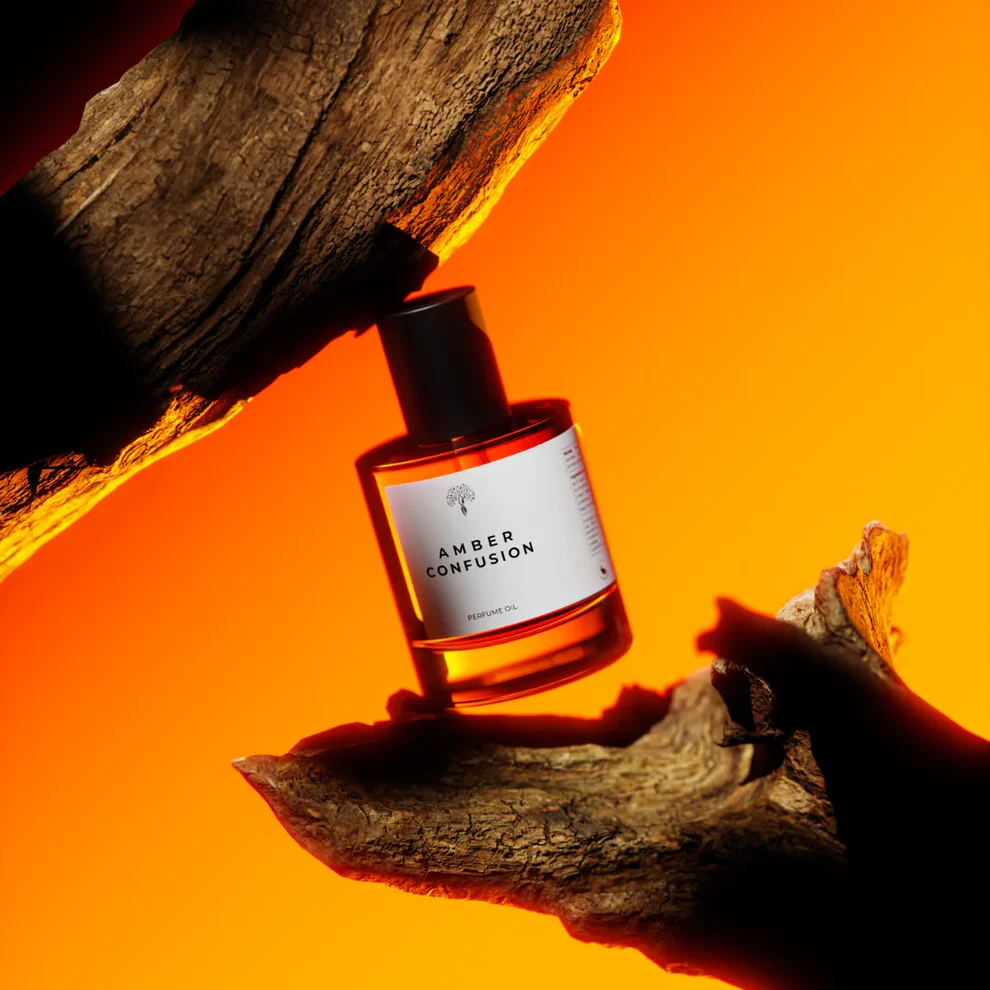
Introduction:
Amber in perfumery is a story of paradox. It is both ancient and futuristic, universally beloved yet notoriously misunderstood. It evokes images of golden sunsets, ancient resin traders on the Silk Road, and yet, it can also smell like a sleek, modern art installation. The journey of the amber accord is one of the most fascinating in all of fragrance, a path that leads us directly from the iconic, otherworldly scent of Mugler’s Alien Hypersense to the contemporary phenomenon often dubbed "amber confusion." This is the story of how a single note was reinvented, reinterpreted, and ultimately, redefined for the modern nose.
What Exactly Is Amber? Unraveling the Core Confusion
Before we can trace its evolution, we must first answer the fundamental question: what is amber? This is where the confusion begins for many fragrance enthusiasts.
The Geological vs. The Olfactory
Geologically, amber is fossilized tree resin, prized for its beauty and the ancient insects sometimes trapped within it. However, and this is crucial, fossilized amber has no scent. The amber we smell in perfumery is an entirely human creation—a fantasy accord built from a symphony of ingredients designed to mimic the warm, rich, and comforting idea of amber.
The Building Blocks of the Amber Accord
The classic amber accord is a warm, sweet, and often powdery blend typically constructed from:
- Labdanum: The heart of the accord. This dark, sticky resin from the Cistus plant (rockrose) provides a warm, leathery, and slightly animalic sweetness.
- Vanilla: Adds a creamy, soft, and gourmand sweetness that balances the roughness of labdanum.
- Benzoin: A balsamic resin from the Styrax tree that offers a warm, vanillic, and slightly cinnamon-like sweetness.
- Tolu Balsam and/or Peru Balsam: Contribute additional warmth and a rich, complex sweetness.
This classic combination creates the foundational "amber" smell that has been a pillar of Oriental fragrance families for over a century.
A Brief History: Amber's Ancient Allure
Amber’s story in scent predates modern perfumery by millennia. Its allure is deeply rooted in history and trade.
The Ambergris Misnomer
Part of the confusion stems from the name itself. "Amber" is often mistakenly linked to ambergris, a rare and valuable substance produced in the digestive system of sperm whales. Ambergris has a unique, marine, and earthy scent used as a fixative. While both are precious materials, they are olfactively distinct. The perfume term "amber" was co-opted to describe the warm resinous accord, forever entangling the two in name, but not in nature.
Amber in the Ancient World
Resins like labdanum and benzoin have been used in incense, medicines, and unguents since ancient Egyptian, Mesopotamian, and Greek times. They were valued for their rich, lasting scents and their perceived spiritual and medicinal properties. This historical use cemented the association between these resins and warmth, sanctity, and luxury.
The 20th Century: Amber solidifies its Role
The 20th century saw the amber accord become a standardized and beloved component in Western perfumery, particularly within the Oriental fragrance family.
The Rise of the Oriental
Perfumes like Guerlain’s Shalimar (1925)—with its iconic vanilla and benzoin base—showcased how the amber accord could provide a profound, sensual, and lasting foundation for a fragrance. It became the signature of opulent, dramatic, and often seductive scents, worn by those who wanted to make a bold statement.
The Modern Revolution: Enter Mugler’s Alien Hypersense
For decades, the amber accord played a supporting role, a base note foundation. Then, in 2018, Thierry Mugler’s Alien Hypersense exploded onto the scene and changed the game entirely.
A Futuristic Take on an Ancient Note
The original Alien (2005) was known for its potent jasmine-centric solar flare. Alien Hypersense, created by Dominique Ropion, took the franchise in a radical new direction. It wasn't a classic amber; it was an amber overdose. The fragrance was built around a hyper-concentrated, almost synthetic-seeming amber accord that was cleaner, brighter, and more metallic than its predecessors.
How Hypersense Redefined Amber
Amber as a Star: Instead of a base note, amber was the headline act.
- A "Clean" Amber: It stripped away the animalic, dusty, or overly gourmand facets of traditional amber. This was a sleek, futuristic, "purified" amber for a new generation.
- The "Liquid Gold" Aesthetic: The fragrance itself was a shocking, vibrant gold, visually cementing its identity as a potent, precious elixir.
Alien Hypersense demonstrated that amber could be modern, bold, and wearable in a new context. It wasn't your grandmother's oriental; it was a scent for a cyborg goddess.
The Aftermath: Understanding Amber Confusion
The success of fragrances like Alien Hypersense, along with the booming niche and indie perfume market, led directly to the current state of "amber confusion."
What is Amber Confusion?
"Amber confusion" refers to the modern phenomenon where the term "amber" on a fragrance note list can mean a dizzying array of different scent profiles. It's no longer a guarantee of a classic, resinous warmth.
The Many Faces of Modern Amber
Today, "amber" can signify:
- The Classic Oriental: The warm, vanillic, resinous blend.
- The Clean/Blonde Amber: A lighter, sheer, often sandalwood-driven accord popularized by perfumes like Maison Francis Kurkdjian's Grand Soir (though rich, it's exceptionally clean) and a host of "skin scent" ambers.
- The Gourmand Amber: Amber heavily blended with notes of caramel, honey, tonka bean, and vanilla, making it smell more like a dessert.
- The Mineral/Salty Amber: Ambers that incorporate notes of salt, ozone, or minerals to create a more atmospheric, skin-like effect.
- The Synthetic Amber: Using molecules like Ambroxan (derived from ambergris but now synthesized) or Ambermax to create a sharp, diffusive, and long-lasting woody-ambery effect that is a world away from labdanum.
This incredible diversity means two fragrances both listing "amber" as a key note can smell completely unrelated. This is the core of the confusion.
The Role of Concentrates and Oil Perfumery:
The evolution of amber is also tied to the mediums through which we experience fragrance. The quest for longevity and intensity has brought new forms to the forefront.
Intensity and Longevity
Amber accords are naturally excellent fixatives, making them perfect for concentrated perfume formats. These formats allow the complex nuances of a modern amber accord—be it clean, gourmand, or mineral—to develop slowly and last for an exceptionally long time on the skin, offering a more personal and intimate experience than some alcohol-based sprays.
The Future of Amber: Where Do We Go From Here?
The amber accord is not a relic; it is a living, evolving concept in perfumery.
Sustainability and Innovation
With a growing focus on sustainability and vegan perfumery, the search for innovative ways to create warm, resinous accords without traditional materials will continue. This will likely lead to even more novel and unexpected interpretations of "amber," pushing the note further into uncharted olfactory territory.
The Enduring Appeal of Warmth
Despite all the changes and confusion, the core appeal of amber remains constant: it provides warmth, comfort, and sensuality. In an often cold and digital world, the primal comfort of a warm scent on the skin is more desirable than ever. Whether through a classic blend or a futuristic fantasy, the golden glow of amber will continue to captivate us for generations to come.
Conclusion:
The journey of amber from a historical, resinous base note to the star of futuristic fantasies like Mugler's Alien Hypersense is a testament to the creativity and evolution of perfumery. The resulting "amber confusion" is not a problem to be solved, but rather a sign of the note's vibrant health and endless adaptability. It proves that even the most ancient and established ideas can be shattered and reassembled into something thrillingly new. Amber is no longer just one thing; it is a spectrum of warmth, a language of comfort, and a canvas upon which perfumers continue to paint the future of fragrance.
FAQs:
1. I dislike heavy, spicy oriental perfumes. Will I like modern amber scents?
Absolutely! The beauty of modern ambers is their diversity. You would likely enjoy a "clean" or "blonde" amber, which is lighter, less spicy, and more focused on sheer warmth and skin-like musk than on opulent resins.
2. What’s the main difference between amber and ambergris?
Amber (in perfumery) is a warm, sweet, vanillic accord made from plant resins like labdanum and benzoin. Ambergris is a rare animalic product from sperm whales with a unique marine, earthy, and deeply sensual scent. They are completely different materials.
3. Why do some amber perfumes last longer than others?
The natural resins in amber accords (like labdanum) are excellent fixatives, helping to slow the evaporation of other notes. Furthermore, many modern perfumes use powerful synthetic amber molecules like Ambroxan, which are renowned for their incredible tenacity and longevity on the skin.
4. Is "amber" in perfumery ever made from real fossilized amber?
No. Real fossilized amber is a hard stone with no scent. The term in fragrance always refers to the created accord based on warm-smelling resins and materials.
5. What is a good "beginner" amber fragrance for someone new to the note?
A great starting point would be a clean gourmand amber like Maison Martin Margiela 'By the Fireplace' (smoky, sweet marshmallow) or a soft skin amber like Nemat Amber oil (a simple, warm, vanillic musk). These are approachable and showcase the comfortable, wearable side of the amber spectrum.

Confusion matrix with Python & R: it is used to measure performance of a classifier model.
Read full article to know its Definition, Terminologies in Confusion Matrix and more on mygreatlearning.com

