





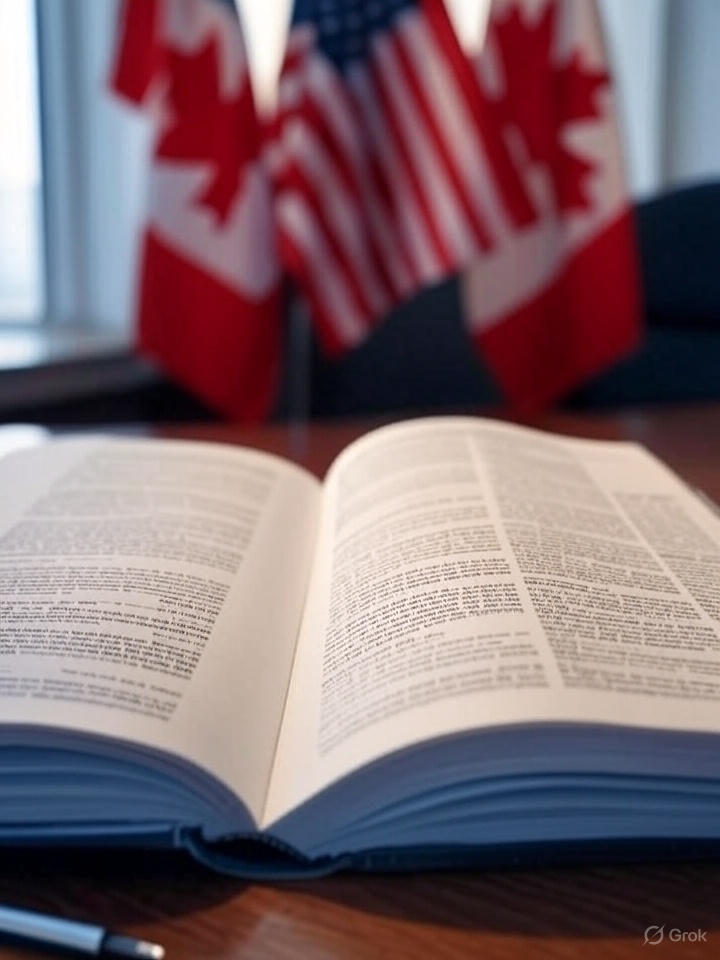
If you're a U.S. citizen or green card holder residing in Mississauga, Ontario, navigating U.S. taxes can seem complex. Mississauga's proximity to Toronto and its vibrant economy attract many American expats, but U.S. tax obligations follow you worldwide. This article provides general information on U.S. Taxes Mississauga residents may face, focusing on filing requirements, treaties, and strategies to manage dual tax systems. Remember, this is not personalized advice; consult a tax professional for your situation.
Who Needs to File U.S. Taxes While Living in Mississauga?
U.S. citizens and resident aliens must report worldwide income to the IRS, regardless of location. If you live in Mississauga, you file U.S. taxes if your income exceeds filing thresholds—$13,850 for singles or $27,700 for married filing jointly in 2024 (thresholds adjust annually). This includes salary from Canadian jobs, investments, rentals, or U.S. sources.
Green card holders also qualify as U.S. persons for tax purposes until formally abandoning status. Dual citizens (U.S.-Canadian) face obligations to both the IRS and Canada Revenue Agency (CRA). Even if you owe no U.S. tax due to credits, filing is required to avoid penalties, which can reach $10,000 per missed form.
Key U.S. Tax Forms for Expats in Mississauga
Start with Form 1040, the standard individual income tax return. Attach Schedule B for interest and dividends, and Schedule 1 for additional income.
For foreign accounts, file FinCEN Form 114 (FBAR) if aggregate value exceeds $10,000 anytime during the year. FATCA requires Form 8938 if assets surpass $200,000 (filing single abroad) or $400,000 (married jointly).
Report foreign trusts or gifts via Form 3520 if over $100,000. Investments in Canadian RRSPs or TFSAs may need special reporting. Use Form 1116 for foreign tax credits or Form 2555 for Foreign Earned Income Exclusion (up to $120,000 in 2024, if qualifying).
File by June 15 for expats, with automatic extension to October 15, but pay any owed tax by April 15 to avoid interest.
Benefits of the Canada-U.S. Tax Treaty
The U.S.-Canada Tax Treaty prevents double taxation and promotes information sharing. For Mississauga residents, it ties-breaker rules determine residency—typically favoring Canada if your center of vital interests is there.
Treaty benefits include reduced withholding on dividends (15% vs. 30%) and exemptions for certain pensions. Claim these on Form 8833 or by attaching a treaty position statement to your return.
The treaty also coordinates social security via the Totalization Agreement, allowing credits from both systems toward benefits without dual contributions.
Avoiding Double Taxation for U.S. Expats in Mississauga
Canada taxes residents on worldwide income too, creating overlap. Use Foreign Tax Credit to offset U.S. tax with Canadian taxes paid on the same income. Alternatively, exclude up to $120,000 of foreign-earned income if you meet physical presence (330 days abroad) or bona fide residence tests.
Coordinate filings: Canadian taxes are often higher, so credits cover most U.S. liability. Track exchange rates, as income converts to USD for IRS reporting.
Be cautious with Canadian tax-advantaged accounts; RRSPs defer U.S. taxes under the treaty, but TFSAs are taxable in the U.S.
Common Challenges and Tips for Handling U.S. Taxes in Mississauga
Currency fluctuations between CAD and USD affect reporting. Mississauga's real estate market may trigger capital gains taxes in both countries upon sale—use treaty to allocate.
Retirement planning complicates: U.S. recognizes RRSPs but not RESPs or RDSPs similarly. Business owners face additional forms like 5471 for controlled foreign corporations.
Tips: Keep detailed records, use tax software compatible with expat rules, and file electronically via IRS Free File or e-file. Stay updated on changes, like potential 2025 adjustments to exclusions.
When to Seek Professional Help for U.S. Taxes in Mississauga
Complex situations—high assets, cross-border investments, or estate planning—warrant expert advice. Tax professionals familiar with U.S.-Canada rules can minimize liability and ensure compliance.
In Mississauga, look for CPAs or EAs with international expertise. Services cost $500-$2,000+ per return, but prevent costly errors.
In summary, managing U.S. taxes from Mississauga requires diligence but tools like treaties ease the burden. Stay informed to fulfill obligations smoothly.





Fowler Dental offers convenient Emergency Dental Clinic in Mississauga - when you need to see a dentist immediately.
Call us now and get assistance.

AG is the windows & doors installation company in Mississauga.
We specialize in the manufacturing and installation of 100% Canadian made vinyl windows in various styles including Bay & Bow windows.
We also offer a wide range of entrance doors designed to meet your specific needs.
All A Products are manufactured in house at our Mississauga location.