





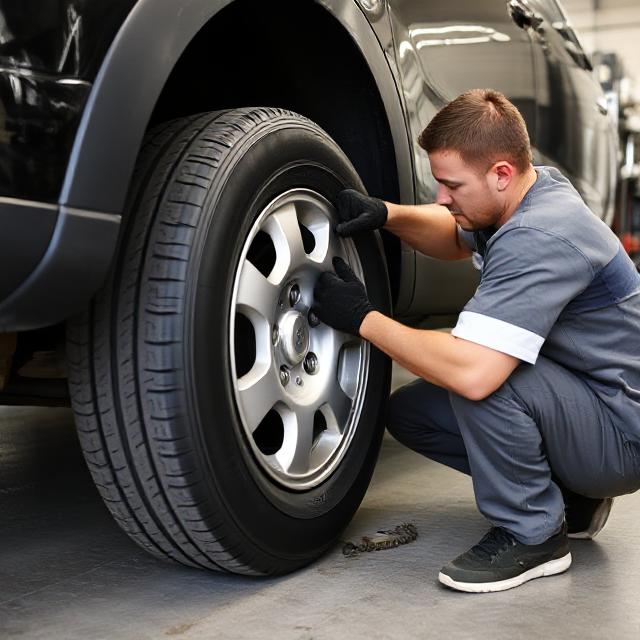
Tyres not only roll a vehicle forward, but they are also responsible for safety, performance, and comfort. Tyres work separately, and they also assist other components to ensure safety and comfort. For example, tyres provide better grip and traction on roads, but their gripping power assists the braking system to stop the vehicle.
Ignoring tyre health is one of the biggest mistakes a driver can make. In the UK, the weather conditions change quickly. Therefore, the role of The Best Car Tyres Birmingham is vital in keeping your vehicle stable during both short and long trips.
In this blog, we will talk about tyres and their link to safety, performance, and comfort.
How Tyres Keep You Safe
Braking Distance: Healthy tyres reduce stopping distance. Bald tyres increase it, especially on wet roads.
Grip in Corners: Tyres keep your car steady when you turn. On the other hand, unhealthy tyres slide, making cornering risky.
Water Control: Tread channels push water away. Without it, tyres float on water (hydroplaning), causing total loss of control.
Shock Absorption: Tyres absorb bumps and potholes, protecting your suspension.
Load Bearing: Tyres carry the load of your vehicle.
The Risks of Ignoring Tyre Safety
Driving on unhealthy tyres includes the following risks:
Longer stopping distances can cause accidents.
Loss of control on wet or icy roads.
Tyre blowouts on the motorway, especially during hot weather.
Failed MOT test, leading to legal and financial trouble.
How to Spot Unsafe Tyres
You can spot unsafe tyres with the following symptoms:
Low Tread Depth: Legal minimum tread depth is 1.6 mm, but safety experts recommend replacing at 3 mm.
Sidewall Damage: The Presence of bulges and cracks is also a warning sign.
Uneven Wear: Tyres may wear unevenly to indicate wrong alignment or incorrect air pressure.
Vibrations While Driving: Vibrations indicate tyre damage or imbalance.
Preventing Tyre Safety Risks
Check pressure every 2 weeks.
Inspect tyres visually for cuts or bulges.
Rotate tyres every 10,000 miles for even wear.
Avoid overloading the car.
Replace tyres before they reach the legal limit.
Tyres in Different UK Conditions
During rainy weather, tyres need deep tread for water clearance. On icy roads, tyres need soft rubber material and more sipes to remain stable and channel extra slush. Motorways demand strong, balanced tyres that can handle high speeds. In cities, tyres need resistance to kerbs and potholes.
The Role of Tyres in Performance
Tyres transfer engine power to the ground. So, they are vital for acceleration. Moreover, tyres maintain balance during sharp turns. Tyres assist the brake system to stop the vehicle. Smoothly running tyres decrease the level of rolling resistance and reduce fuel use at the same time. Tyres absorb bumps to enhance the driving experience and comfort.
In brief, tyres are not just about moving the vehicle, but they also control how the car behaves on the road.
Types of Tyres and Their Performance Impact
There are multiple types of tyres, and they all come with different performance features according to driving goals and driving conditions.
Look at the following examples:
Summer Tyres: These tyres are designed for warm, dry, and wet roads. They offer superior grip and stability.
Winter Tyres: These tyres come with softer rubber and deeper tread, offering better handling in ice and snow.
All-Season Tyres: These tyres create a balance between summer and winter, suitable for mixed UK weather.
Performance Tyres: These tyres are built for high speeds, precise handling, and cornering.
All-Terrain Tyres: All-terrain tyres are suitable for both paved roads and muddy surfaces.
Off-Road Tyres: These tyres come with large tread blocks for grip on mud, gravel, and sand.
Wrong Tyres and Their Effects
Nowadays, tyres come with different features. Therefore, every type of tyre is suitable for every driver. You have to buy the right tyres for your vehicle according to your goals, your car’s model, and driving conditions.
If you do not buy the right tyres, you may face the following consequences:
Longer braking distance on wet roads.
Poor fuel efficiency due to higher rolling resistance.
Difficulty in cornering at high speeds.
Increased wear and tear on the suspension.
Higher chance of hydroplaning in rain.
Tyres and Fuel Economy
One hidden link between tyres and performance is fuel economy. Properly inflated, high-quality tyres reduce rolling resistance. Low rolling resistance means your car's engine is working smoothly, and it has no pressure while moving your car's tyres. As a result, the engine would not consume extra fuel.
Tyre Pressure and Performance
Air pressure is a small factor that makes a big difference.
Under-inflated tyres increase fuel use and wear quickly.
Over-inflated tyres reduce grip and cause harsh rides.
Checking tyre pressure every two weeks is one of the easiest ways to maintain consistent performance.
When to Replace Tyres for Better Performance
You have to replace your old and worn tyres if you observe the following signs:
Tread depth is below 3 mm.
Cracks and bulges on the sidewall.
Vibrations and noises.
Multiple punctures and repaired areas.
Conclusion
Tyres are lifesaving components of your vehicle. Your safety fails after their failure. Therefore, regular checks, timely replacements, and choosing the right tyres for UK conditions are non-negotiable.
Performance is also a key factor, like safety. On UK roads, you need high-quality car tyres for better performance. The performance of your car tyres depends not only on their features, but also on your decision. Suitable tyres will surely perform efficiently on roads, but the wrong tyres will reduce their performance.
Welcome to ALS Tyres Wokingham with over 30 years experience, ALS Tyres Wokingham specialise in supply and Fitting of car tyres to an extremely high standard.
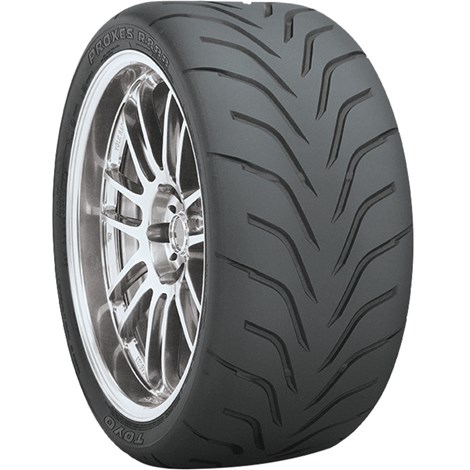
We have the largest stock of motorsport tyres in the UK which include Racing Slick Tyres, motorcycle and ultra-high-performance tyres for road and track.
Call us +44 (0) 1282 778731.Racing Slick Tyres