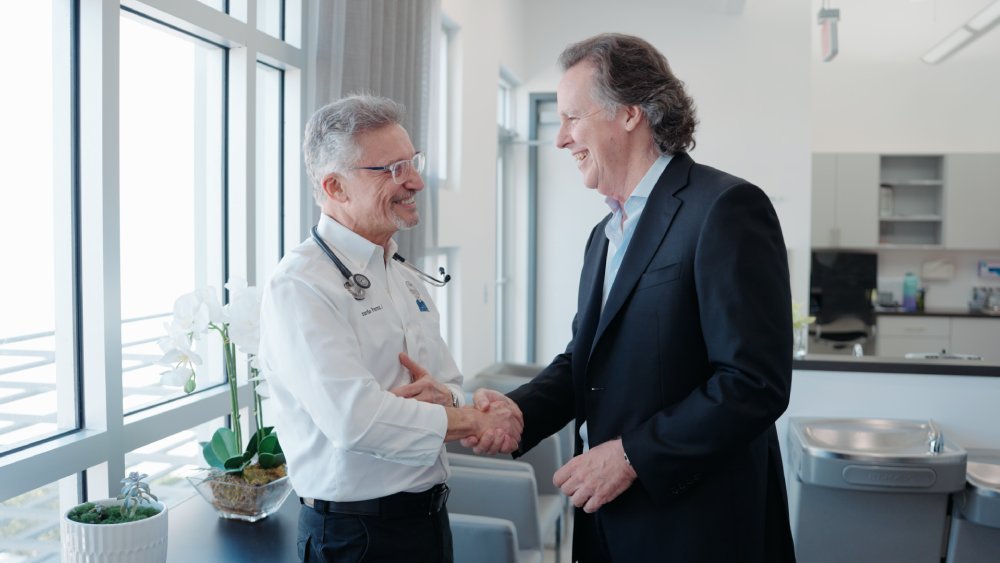
If you just moved here, finding a Family Doctor in Miami should be near the top of your to-do list. A good family physician becomes your health home. They handle checkups, vaccines, sick visits, and long-term care for all ages. With numerous options available in Miami, it's helpful to use a straightforward plan to make informed choices.
What a Family Physician Does—and Why It Matters
A family physician is trained to care for individuals of all ages, including children, teens, adults, and seniors. They look at the whole person, not just one body part or a single disease. This makes care more efficient and less stressful. You can bring your questions to one trusted team and get clear answers.
Family doctors focus on prevention. They plan screenings and vaccines based on your age, risks, and family history. They also manage chronic conditions like asthma, diabetes, high blood pressure, thyroid problems, and anxiety. When something changes, they catch it early and adjust their plan.
This relationship saves time and money. Your doctor knows your story, your preferences, and what has worked for you in the past. You do not have to repeat your history at every visit. Over time, that continuity leads to better results and fewer surprises.
- One doctor for the whole household
- Prevention first, with a clear schedule
- A long-term partner who knows your health history
- Miami’s Healthcare Landscape
Miami is large and diverse. Clinics range from small private practices to large medical groups affiliated with hospital systems. Many offer bilingual services in both English and Spanish, and some also support additional languages. Neighborhoods differ in access, parking, and transit.
Insurance networks also vary. Some doctors are in-network for major plans; others focus on cash-pay or concierge models. Travel time matters here. A 20-minute drive on a map can take longer at rush hour. Consider location, parking, and public transportation when making your choice.
Telehealth is common in Miami. Many practices offer video visits for quick issues, lab reviews, or follow-ups. This is particularly helpful when schedules are tight or you are caring for family.
- Mix of solo practices and large groups
- Bilingual care is widely available
- Telehealth reduces travel and wait time
Step-by-Step: How to Build Your Shortlist
Start with the basics—filter by insurance, location, office hours, and languages spoken. Check websites for services and age ranges. If you prefer a single home for everyone, look for a family medicine specialist rather than an internal medicine or pediatric specialist.
Read reviews with care. Look for themes, not one-off complaints. Note comments on communication, wait times, and how well the staff explains test results. Contact the office to confirm the availability of new patients and the average wait time for the first appointment.
If you pay cash or have a high deductible, consider asking about transparent pricing for annual physicals, lab tests, and standard procedures. Transparent fees reduce stress and make planning easier.
- Verify in-network status or cash pricing.
- Check hours, same-day slots, and telehealth
- Confirm services for all ages you need
What to Expect from a Good First Visit
The first visit sets the tone. Your doctor should listen attentively, ask focused questions, and explain the next steps in clear, simple language. They should review your history and medications. You should leave with a simple plan and a follow-up date if needed.
You may have baseline labs, vaccine updates, or referrals for screening tests. Good clinics share results quickly through a patient portal and include a note on what the numbers mean. You should not be left guessing.
Trust your impression. If you feel rushed or confused, it may not be the right fit. It is okay to try another clinic. This is your health. You deserve clarity and respect.
- A clear plan you can follow at home
- Fast access to test results
- Respectful, plain-language explanations
Prevention First: Screenings, Vaccines, and Daily Habits
Prevention keeps you ahead of problems. Your family physician will design a personalized schedule. This may include blood pressure checks, blood sugar and cholesterol tests, colon cancer screening, Pap smears, mammograms, bone density scans, and skin checks. Timing depends on age, risk factors, and past outcomes.
Vaccines matter at every age. Common adult vaccines include flu, COVID-19, Tdap, shingles, and pneumonia. For children and teens, your doctor follows the CDC schedule and helps you plan school and sports forms.
Lifestyle support is practical and straightforward. Small changes add up. Your doctor can help you set goals that align with your life and cultural background. You get support, not lectures.
- Personalized screening timeline
- Up-to-date vaccines for each age
- Realistic coaching on sleep, food, and movement
Managing Chronic Conditions with Confidence
Many people move to Miami and need to reestablish care for ongoing issues. A strong family physician makes this smooth. They review your prior records, confirm diagnoses, and adjust medications with care. They teach you how to track numbers at home and when to seek help.
For diabetes, you might set A1C targets and a lab schedule. For hypertension, you may get home blood pressure goals and a plan for salt intake and exercise. For asthma, you will have an action plan that tells you what to do during a flare.
Mental health is part of primary care. Family doctors screen for anxiety and depression and offer counseling, medications, or referrals. They monitor progress and keep your goals in focus.
- Clear targets and monitoring plans
- Medication reviews to improve safety
- Integrated mental health screening and support
Access and Convenience: What Matters in Miami
Life here moves fast. Look for clinics with extended hours, same-day sick visits, and reasonable wait times. Ask how they handle urgent questions outside of business hours. A nurse line or on-call doctor can save an ER trip.
Patient portals should be secure and straightforward. You should be able to message the team, request refills, see results, and pay bills online. If you prefer phone calls, confirm that option as well.
Parking and transit count. On-site labs and imaging eliminate the need for extra trips. Some clinics are conveniently located near Metrorail or bus routes. Choose what fits your routine.
- Extended hours and same-day slots
- Responsive portal and phone options
- On-site services that cut extra travel
Coordinated Care and Specialist Referrals
Sometimes you need a cardiologist, orthopedist, or dermatologist. Your family physician should guide you to trusted specialists in your network and share your records so you do not repeat tests. After the visit, they should explain what changed and how to follow through.
If you visit urgent care or the ER, your primary care team should schedule a prompt follow-up. This catches medication changes, clarifies instructions, and reduces the chance of returning to the hospital.
For complex needs, some clinics offer care coordinators. They assist with appointments, home health services, medical equipment, and paperwork. This support helps reduce stress and accelerate recovery.
- Thoughtful referrals with shared records
- Post-ER and post-hospital follow-up
- Help with logistics for complex cases
Signs of Quality You Can Spot
Quality shows in the basics. Are calls returned the same day? Do portal messages get answers within one business day? Do lab results include notes in plain words? These are signals of a well-run practice.
Inquire about safety measures, such as medication reconciliation and vaccine administration procedures. Check how after-hours calls work. Reliable access prevents minor issues from becoming emergencies.
In the exam room, look for listening, clear choices, and a written plan. If you leave knowing what to do and when to check back, that is a good sign.
- Fast, clear communication
- Strong safety processes
- Written care plans for home use
For Families with Kids and Teens
If you have children, confirm that the practice handles well-child care, vaccines, school and sports forms, and common illnesses. Ask about same-day sick visits and how they protect other patients during cold and flu season.
Teens need privacy and respect. Many family doctors offer teen-friendly visits with time alone for sensitive questions. This supports trust and healthy choices.
Parents benefit from aligned advice. When the same team cares for you and your child, plans are easier to follow. You receive tips that align with your culture, schedules, and resources.
- Well-child visits and milestone tracking
- Teen visits with respectful privacy
- Practical guidance the whole family can use
How to Prepare and Make the Most of Each Visit
Preparation saves time. Before your first visit, list your top concerns. Bring your medication bottles or photos of labels. Upload or carry recent records and imaging reports. Share allergies and past surgeries.
At the visit, agree on one to three action steps. Too many tasks can overwhelm. Please contact the team if you have any questions. Use the portal to track progress and results. Small gains, repeated over time, lead to lasting change.
If something in the plan will not work for you—time, budget, culture—say so. Your doctor can adjust. Care that fits your life is the care you will follow.
- Bring a simple priority list.
- Leave with a short, written action plan
- Speak up about barriers so the plan fits
The Bottom Line
Choosing the correct family physician in Miami is about finding the right fit, access, and trust. Look for clear communication, timely care, and a focus on prevention. Find a location and schedule that works for your life. Ensure the team listens and explains concepts in clear, plain language.
Start with a shortlist. Book one visit. See how the clinic treats you, from the front desk to the exam room to the portal. When you find a doctor who knows your story and supports your goals, you will feel the difference. Your care becomes organized, calm, and effective—so you can enjoy life in Miami with confidence.



If you’re looking for “fitness center near me North Miami FL,” it’s hard to know where to begin.
Only Sweat440 offers a scientifically proven method in every class.https://sweat440.com/fitness-center-near-me-miami