


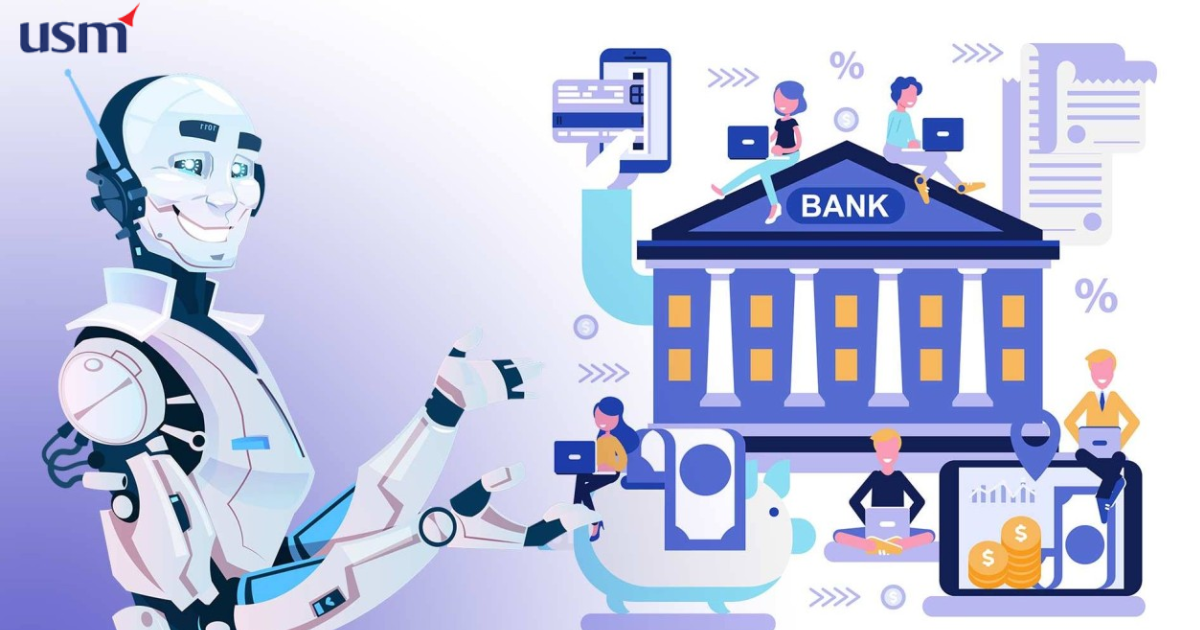
Use Cases of AI in the Banking Sector
Artificial Intelligence (AI) has emerged as one of the most transformative technologies in the financial services industry, particularly in banking. As banks handle vast amounts of data and deal with complex risk management and customer interactions, AI provides tools to automate processes, enhance decision-making, and deliver superior customer experiences. Below are the most significant use cases of AI in the banking sector.
1. Fraud Detection and Prevention
- One of the most critical uses of AI in banking is detecting and preventing fraudulent activities. Traditional rule-based systems often fail to catch new, sophisticated fraud patterns, but AI models can analyze vast datasets in real-time to identify unusual behavior.
- AI systems use machine learning algorithms to detect anomalies in transaction patterns, such as unexpected spending locations, sudden large withdrawals, or unusual login activity.
- These models continuously learn from new data, improving their accuracy over time.
- AI can also flag suspicious transactions for manual review, reducing false positives and ensuring quick responses to fraud attempts.
- By reducing fraud losses and protecting customer data, AI contributes directly to the bank’s security and reputation.
2. Risk Management and Credit Scoring
- Risk assessment is a core function of banking, and AI enhances it by processing large datasets more accurately than traditional methods.
- AI-based credit scoring models use data from multiple sources, including social media behavior, digital payment history, and utility bill payments, to assess a borrower’s creditworthiness.
- These programs are able to spot hidden dangers and minute correlations that human analysts might miss..
- AI also supports predictive risk modeling, helping banks anticipate market fluctuations, currency risks, and credit defaults.
- This enables banks to make more informed lending decisions, minimize bad debts, and optimize their capital allocation.
3. Personalized Customer Service and Chatbots
- Customer service is another area where artificial intelligence in banking is making a major impact. Banks are increasingly deploying AI-powered chatbots and virtual assistants to handle routine customer inquiries.
- These bots can provide 24/7 support, answering questions about account balances, transaction history, loan eligibility, or interest rates.
- Natural Language Processing (NLP) enables these bots to understand customer intent and respond conversationally.
- AI systems can also recommend personalized financial products based on customer behavior and financial goals.
- This not only improves customer satisfaction but also reduces operational costs by lowering the workload on human customer service teams.
4. Process Automation and Operational Efficiency
- Banking involves numerous repetitive and time-consuming back-office tasks such as data entry, document verification, and compliance reporting. AI-driven Robotic Process Automation (RPA) is being used to automate these tasks.
- AI can extract data from documents, validate it, and input it into banking systems without human intervention.
- Automated workflows reduce human errors, speed up processing times, and lower operational costs.
- Banks can reassign employees to higher-value tasks such as relationship management or strategic planning.
- This operational efficiency helps banks become more agile and competitive in a fast-changing financial environment.
5. Regulatory Compliance and Anti-Money Laundering (AML)
- Banks operate in heavily regulated environments, and compliance requires continuous monitoring of transactions and customer data. AI helps simplify and strengthen this process.
- AI models can scan large volumes of transactions in real-time to detect patterns indicative of money laundering or terrorist financing.
- These systems flag suspicious activities for further investigation, helping banks comply with AML and Know Your Customer (KYC) regulations.
- AI can also maintain audit trails and generate compliance reports automatically.
- By reducing compliance risks and penalties, AI enhances the bank’s legal and regulatory standing.
6. Investment Advisory and Wealth Management
- AI is transforming wealth management by providing personalized investment advice and portfolio management.
- AI-powered robo-advisors analyze market trends, risk profiles, and investment goals to offer tailored recommendations to customers.
- These systems can automatically rebalance portfolios based on market changes, helping customers maximize returns.
- AI tools can also simulate different investment scenarios, enabling data-driven decision-making for both customers and bank advisors.
- This democratizes access to financial planning, allowing even small investors to benefit from sophisticated strategies previously reserved for high-net-worth individuals.
7. Predictive Analytics for Customer Retention and Marketing
- AI enables banks to use predictive analytics to understand customer behavior and enhance marketing effectiveness.
- AI can identify customers at risk of churn by analyzing their interaction patterns, transaction histories, and feedback.
- Banks can then offer targeted incentives, personalized offers, or loyalty programs to retain these customers.
- Predictive models also help segment customers based on their preferences, enabling more effective cross-selling and upselling of financial products.
- This data-driven marketing approach improves customer engagement and boosts revenue.
8. Cybersecurity and Threat Detection
- With increasing digital banking adoption, cybersecurity threats are a growing concern. AI plays a vital role in strengthening banks’ security infrastructure.
- AI systems monitor network traffic and user activity in real time to detect potential cyberattacks or data breaches.
- They can identify new types of malware or phishing attempts based on behavioral anomalies.
- AI-driven security platforms can automatically respond to threats, containing damage and alerting security teams immediately.
Read Also : ai applications in entertainment



The top 5 best website design guidelines and then look at the top 5 most popular brand identities to let you understand how you can take inspiration from their principles into your designs.