Can A Stem Cell Therapy Give Hope to Patients with Eye Disease?
Eye diseases and vision impairments affect millions of people worldwide, leading to significant challenges in daily life. Traditional treatments for eye diseases often focus on managing symptoms rather than providing a cure. However, recent advancements in stem cell therapy or stem cellular eye treatment have sparked hope for patients with eye diseases. In this article, we will explore the potential of stem cell therapy in treating eye diseases, discussing its benefits, ongoing research, and future prospects.
What is Stem Cell Therapy for Eye Diseases?
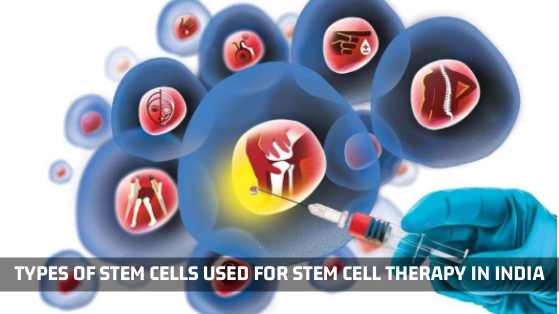
Stem cells are unique cells that have the ability to differentiate into various cell types in the body. Stem cell therapy for eye diseases involves using these cells to repair or replace damaged cells in the eye. There are two primary types of stem cells used in eye disease treatment:
. Embryonic Stem Cells (ESCs
. Induced Pluripotent Stem Cells (iPSCs)
Perks of Stem Cell Treatment Procedure
Stem cell therapy holds several potential benefits for patients with eye diseases
1. Retinal Cell Regeneration: Stem cells have the potential to differentiate into retinal cells, which are essential for vision. By replacing damaged or degenerated retinal cells, stem cell therapy aims to restore vision.
2. Disease Modification: Stem cells can provide a platform for studying the underlying causes of eye diseases and developing targeted therapies to modify disease progression.
3. Reduced Need for Transplants: Stem cell therapy may offer an alternative to corneal transplants by regenerating corneal tissues and improving vision.
Ongoing Research and Clinical Trials
Scientists and medical researchers are actively investigating the potential of stem cell therapy for various eye diseases. Numerous preclinical studies and clinical trials are underway to evaluate the safety and efficacy of this innovative treatment approach. Some notable research areas include:
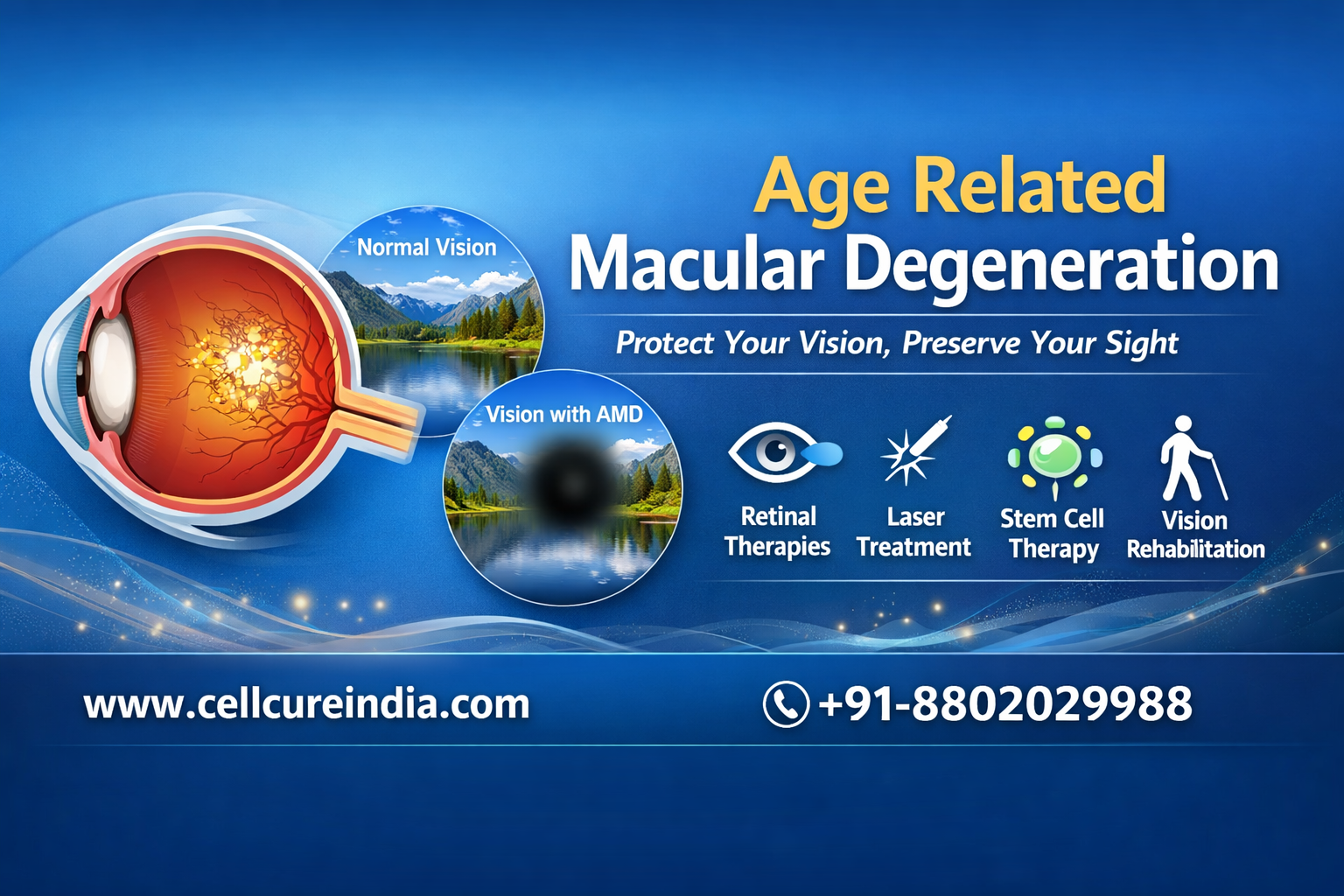
a) Age-related Macular Degeneration (AMD): Stem cell therapy is being explored as a potential treatment for AMD, a leading cause of vision loss in older adults.
b) Retinitis Pigmentosa (RP): Clinical trials are underway to assess the effectiveness of stem cell therapy in replacing damaged retinal cells in patients with RP, a genetic disorder that causes progressive vision loss.
c) Corneal Diseases: Researchers are investigating the use of stem cells to regenerate corneal tissues, potentially providing a non-invasive alternative to corneal transplants.
To Sum Up
Stem cell therapy offers a potential ray of hope for patients with eye diseases. Ongoing research and clinical trials are expanding our understanding of the safety and effectiveness of stem cell therapy in treating various eye diseases. While challenges remain, the future of stem cellular eye treatment holds great promise, offering new possibilities for restoring vision and improving the quality of life for patients worldwide.