



Hyperbaric oxygen treatment for cancer is emerging as an intriguing area of research in the fight against one of the most challenging diseases of our time. While traditional cancer treatments such as chemotherapy, radiation, and surgery remain the cornerstone of oncology, complementary therapies like hyperbaric oxygen therapy (HBOT) are gaining attention for their potential to improve outcomes and enhance patient quality of life.
Hyperbaric oxygen therapy involves breathing pure oxygen in a pressurized chamber, typically at levels higher than normal atmospheric pressure. This process significantly increases the oxygen content in the blood and body tissues, promoting healing and improving cellular function. Historically, HBOT has been used to treat conditions such as decompression sickness, chronic wounds, and radiation injuries. However, recent studies suggest that hyperbaric oxygen treatment for cancer may have additional benefits in oncology care.
One of the primary ways HBOT may aid cancer patients is by improving the effectiveness of radiation therapy. Tumor tissues often have areas of low oxygen, known as hypoxia, which can make them more resistant to radiation. By increasing oxygen levels within these hypoxic regions, hyperbaric oxygen treatment for cancer may enhance the sensitivity of tumors to radiation, potentially making treatments more effective. Some clinical studies have observed improved local tumor control and better response rates when HBOT is used alongside radiotherapy.
In addition to enhancing cancer treatments, hyperbaric oxygen treatment for cancer may also help manage certain side effects. Radiation and chemotherapy can damage healthy tissues, causing symptoms such as chronic pain, tissue breakdown, and fatigue. HBOT has been shown to support tissue repair and reduce inflammation, offering relief from some of these debilitating side effects. For example, patients who develop radiation-induced tissue injury may experience significant improvement in healing when treated with hyperbaric oxygen therapy.
While the potential benefits are promising, it is important to note that hyperbaric oxygen treatment for cancer is not a standalone cure. Current research supports its use primarily as an adjunct therapy—meaning it complements conventional treatments rather than replacing them. The therapy must be carefully administered under medical supervision, considering individual patient conditions and cancer types.
Researchers continue to explore the broader applications of HBOT in oncology, including its impact on immune function and tumor progression. Preliminary studies suggest that combining hyperbaric oxygen treatment for cancer with other innovative therapies may open new pathways for more effective and personalized cancer care in the future.
In conclusion, hyperbaric oxygen treatment for cancer represents a hopeful adjunct to conventional therapies. By enhancing the effectiveness of treatments like radiation and supporting tissue repair, HBOT may improve patient outcomes and quality of life. While more extensive research is needed to fully understand its potential, patients and healthcare providers are increasingly considering this therapy as part of a comprehensive cancer management plan.



For as long as injuries and maladies have existed, people have been searching for ways to alleviate them.
One sort of treatment that has come to prominence in recent years has been the use of hyperbaric oxygen therapy for stroke.But before making the choice to undergo this type of treatment, it’s important to understand several aspects of hyperbaric oxygen therapy.
In this article, we’ll look at several key questions:What is hyperbaric oxygen therapy?
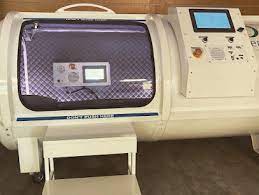
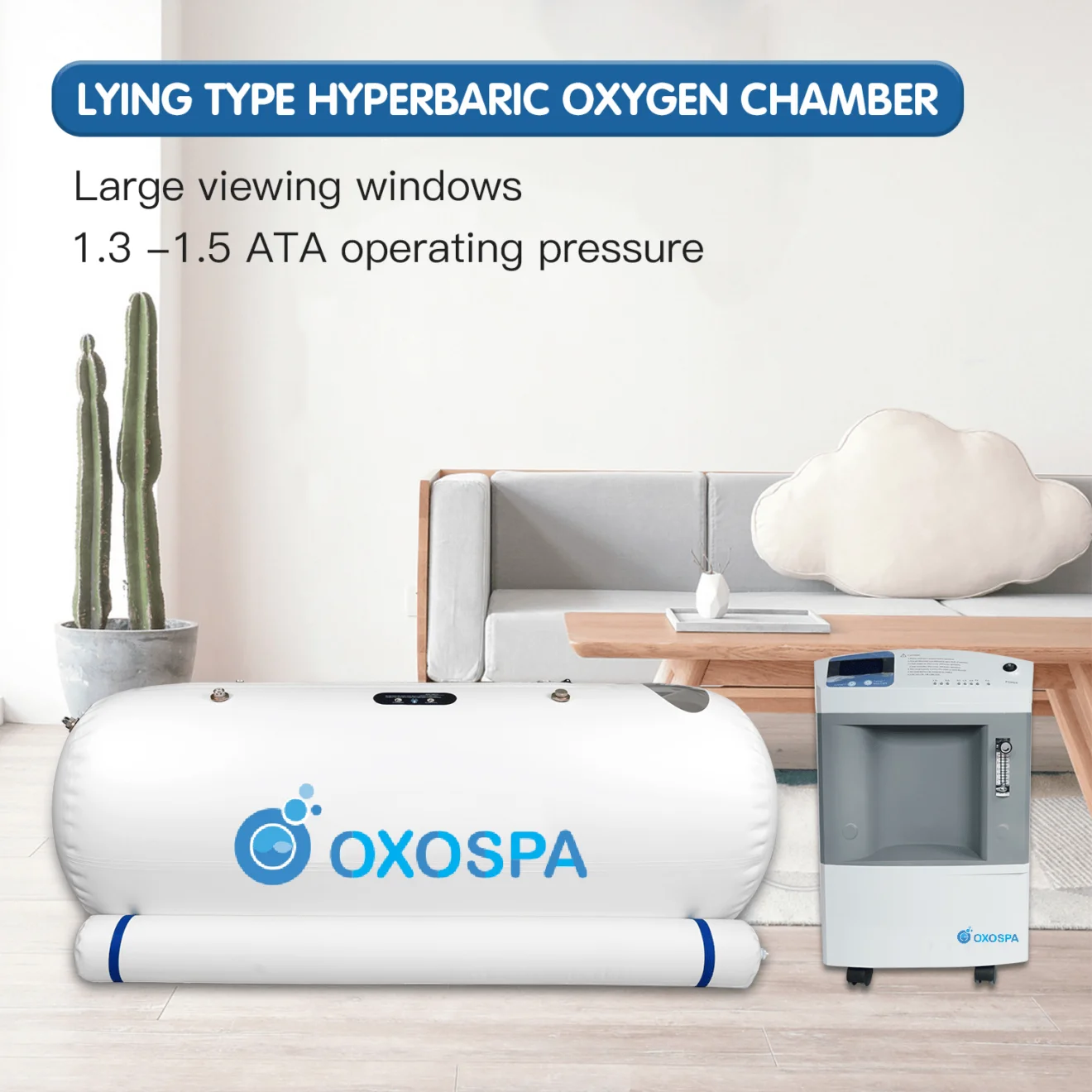
What happens during a hyperbaric oxygen therapy session?What sort of effect does hyperbaric oxygen therapy have on the effects of a stroke?Let’s examine each of these in a bit more depth.What is Hyperbaric Oxygen Therapy?In short, hyperbaric oxygen therapy is a type of therapy that involves being made to breathe pure oxygen in an environment that is more pressurized than usual.
Depending on how your appointment is structured, your hyperbaric oxygen chamber may accommodate only you, or a group of people, with each option producing the same benefits.During the typically two-hour-long session, the air pressure is increased anywhere from two to three times the normal air pressure.
The patient isn’t expected to do any activity during the process, so just relax and breathe deeply.Of course there are risks involved with any procedure, so although you’ll be monitored by a medical team for the duration of the appointment, it’s advisable to check with your GP to determine if hyperbaric oxygen therapy would be right for you based on your medical history.And prior to your appointment, you may want to check with the facility that will be administering the treatment on any specific methodology or preparation they may employ.