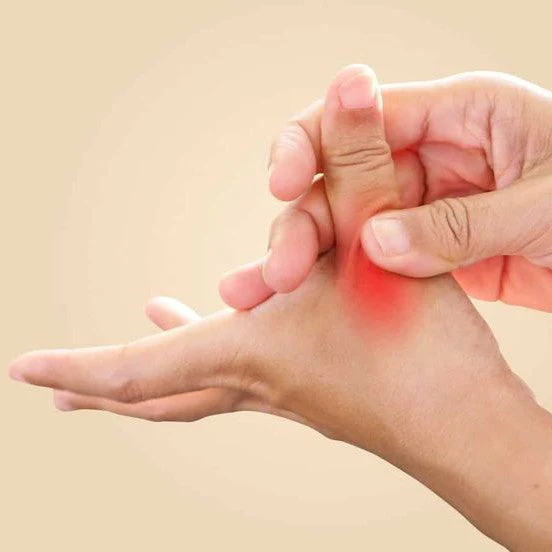
Ever wondered how many times we really notice our thumbs in a day? Hardly ever. Yet they are working non-stop, from holding a cup of chai, typing endless WhatsApp messages, carrying grocery bags, to scrolling Instagram reels late into the night. Only when pain strikes do we suddenly realize how much our thumbs actually do.
That’s when most of us rush to buy a thumb splint. It feels like the quickest solution. All you need to do is just wear it, and the pain will magically disappear. But here’s the catch that many people end up using it the wrong way, which either delays healing or makes things worse.
Let’s learn about the most common mistakes people make when selecting thumb supports, what they are, and how you can avoid them.
1. Wearing It Only When the Pain is Severe
A lot of us are guilty of this. We generally ignore the initial discomfort, thinking, “Just a discomfort for a short time,” and only put on the thumb support band when the pain becomes unbearable. But by then, strain has already increased. It’s always better to start using thumb support the moment you feel stiffness, mild swelling, or strain. Especially if your daily work involves cooking, typing, driving, or heavy lifting. Early precaution means faster relief.
Using a thumb spica splint early can provide targeted immobilization of the thumb joint, reducing strain on the muscles and ligaments. Unlike generic thumb support bands, it ensures the thumb stays in the correct position, giving it the best chance to heal faster.
2. Choosing the Wrong Size
Buying orthopedic aids often goes like, we generally ask the chemist by choosing any random product and size, “Will this work fine for my problem?”, take whatever is available, and adjust at home. But thumb splints aren’t one-size-fits-all. A loose fit won’t give stability, while an overly tight one can cut off circulation.
It is recommended to always check the sizing chart. Brands like Leeford Ortho provide adjustable straps and contoured fits for the thumb, which make a big difference in daily comfort. A properly fitted thumb spica splint provides both comfort and stability. The adjustable band supports your thumb comfortably without holding it back, so you can wear it all day during daily activities.
3. Wearing It All the Time (Even When Not Needed)
People truly love the ‘the more, the better’ philosophy. Some people wear thumb supports even while sleeping, bathing, or doing light activities that don’t require them. Constant wear can actually weaken your muscles over time. You can use thumb support during pain flare-ups, repetitive tasks, or when your doctor recommends. Give your thumb breaks to move freely so that muscles stay active.
4. Ignoring Product Maintenance
Humid summers, sticky monsoons, or dry winters, our skin reacts quickly under orthopedic supports. Sweat buildup under the brace can lead to itching or rashes. Still, many people forget to clean or air-dry the area. If you wash your thumb splint the right way, it will stay comfy and strong every day. Also, choose soft, skin-friendly materials before putting it back on so your thumb feels happy and safe.
5. Not Pairing Support With Lifestyle Changes
Many people assume thumb support alone will “cure” their problem. If you keep scrolling, chopping, or lifting without pauses, that pain might come back, but you can prevent it with care. Combine thumb spica with lifestyle changes such as simple stretches, posture corrections, and taking small breaks during repetitive tasks. Prevention is just as important as support.
Read More