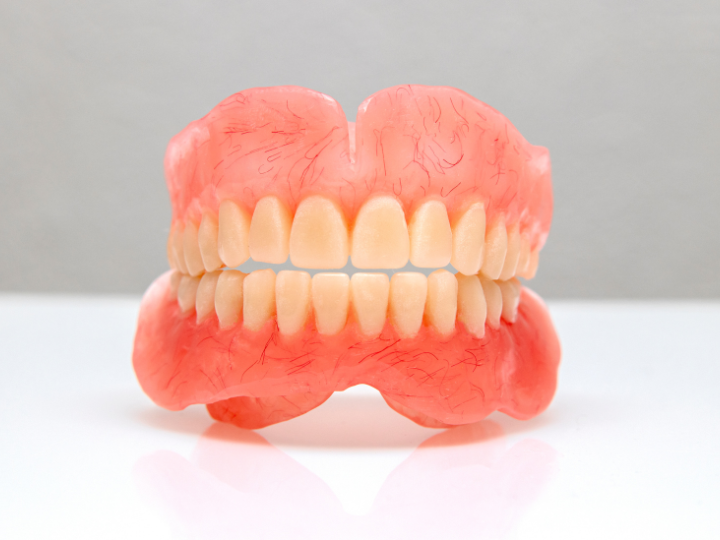
Losing a tooth or two—or even a full set—can be a daunting experience. Not only does it affect your smile, but it can impact your confidence, eating habits, and even your speech. Luckily, modern dentistry offers a range of solutions to restore your smile, with dentures being one of the most popular and cost-effective options. In this guide, we’ll break down everything you need to know about dentures cost, types of dentures, and how to choose the right one for your lifestyle.
Why Understanding Dentures Cost Matters
Many Australians put off getting dentures simply because they’re unsure about the cost. Dentures are not a one-size-fits-all solution, and the price can vary significantly depending on the type, materials, and the clinic you choose. Understanding dentures cost ahead of time allows you to plan your budget, explore financing options, and avoid any unpleasant surprises.
Generally, the cost of dentures in Australia ranges from $1,000 to $5,000 per arch. But what influences this price? Factors include:
Material quality: Higher-quality materials last longer and look more natural.
Type of denture: Full dentures typically cost more than partial dentures.
Customisation: Custom-fitted dentures designed for comfort and aesthetics are more expensive than standard options.
Clinic location and expertise: Experienced prosthodontists or dentists in major cities may charge more.
While dentures cost might seem high at first glance, investing in a good set can improve your quality of life significantly.
Types of Dentures Available
Not all dentures are created equal. Depending on your oral health, budget, and lifestyle, you may find one type more suitable than another. Here are the main options available in Australia:
1. Full Dentures
Full dentures are designed for patients who have lost all of their teeth in either the upper or lower jaw. They sit directly on your gums and are custom-made to fit the contours of your mouth. Modern full dentures are lightweight, durable, and can give you a natural-looking smile.
Pros:
- Restores your smile and ability to eat properly
- Relatively affordable compared to implants
- Customisable appearance
Cons:
- May require adhesives to stay in place
- Can take time to get used to speaking and chewing
2. Partial Dentures
Partial dentures are ideal for those who have lost a few teeth but still have some natural teeth remaining. They usually consist of a gum-coloured base with artificial teeth attached and clips or clasps that attach to your existing teeth.
Pros:
- Preserves remaining teeth
- Easier to remove and clean
- Usually less expensive than full dentures
Cons:
- Clasps may be visible
- May feel bulky initially
3. Immediate Dentures
If you need teeth removed and don’t want to go without, immediate dentures are placed straight after extraction. While convenient, they may require adjustments as your gums heal and shrink.
Pros:
- You don’t have to go without teeth
- Provides a preview of your final dentures
Cons:
- May need frequent adjustments
- Typically more expensive due to the extra fittings
4. Implant-Supported Dentures
For those looking for a more permanent solution, implant-supported dentures attach to dental implants embedded in your jawbone. This option offers superior stability and a natural feel, but it comes at a higher cost.
Pros:
- Extremely stable and comfortable
- Preserves jawbone and facial structure
- Feels more like natural teeth
Cons:
- Higher upfront cost
- Requires surgery and longer treatment time
- Factors Affecting Dentures Cost in Australia
Understanding the different variables that influence dentures cost can help you make informed decisions. Here’s a closer look:
- Material: Acrylic dentures are cheaper but may wear down faster. Porcelain or composite dentures are pricier but offer better aesthetics and durability.
- Customization: Fully custom dentures designed to match your bite and gum contours will cost more than standard, off-the-shelf options.
- Location: Dental services in metropolitan areas like Sydney or Melbourne may be costlier than regional towns.
- Dental Clinic: Specialist prosthodontists often charge more than general dentists, but their expertise can result in better-fitting and longer-lasting dentures.
- Maintenance: Dentures need regular check-ups and occasional relining, which adds to the long-term cost.
Tips for Managing Dentures Cost
Dentures are an investment, but there are ways to make them more affordable:
- Dental insurance: Many health funds cover part of the cost of dentures. Check your policy for rebates.
- Payment plans: Many clinics offer instalment plans to spread the cost over time.
- Compare clinics: Don’t hesitate to get multiple quotes and ask what’s included in the price.
- Consider quality over price: While cheaper options are tempting, investing in well-fitting dentures reduces the risk of discomfort or frequent replacements.
Caring for Your Dentures
Proper care not only extends the life of your dentures but also keeps your mouth healthy. Here are some tips:
- Rinse dentures after eating to remove food debris.
- Brush dentures daily using a soft brush and denture cleaner.
- Soak dentures overnight in a denture solution to keep them moist and retain their shape.
- Visit your dentist regularly for check-ups and adjustments.
Final Thoughts
Dentures play a vital role in restoring smiles and confidence for thousands of Australians. By understanding the different types, what affects dentures cost, and how to maintain them, you can make a choice that fits both your needs and your budget.
Remember, the right dentures don’t just improve your smile—they enhance your quality of life, helping you eat, speak, and laugh with confidence again. If you’re considering dentures, schedule a consultation with a trusted dentist to discuss your options and find a solution that works best for you.