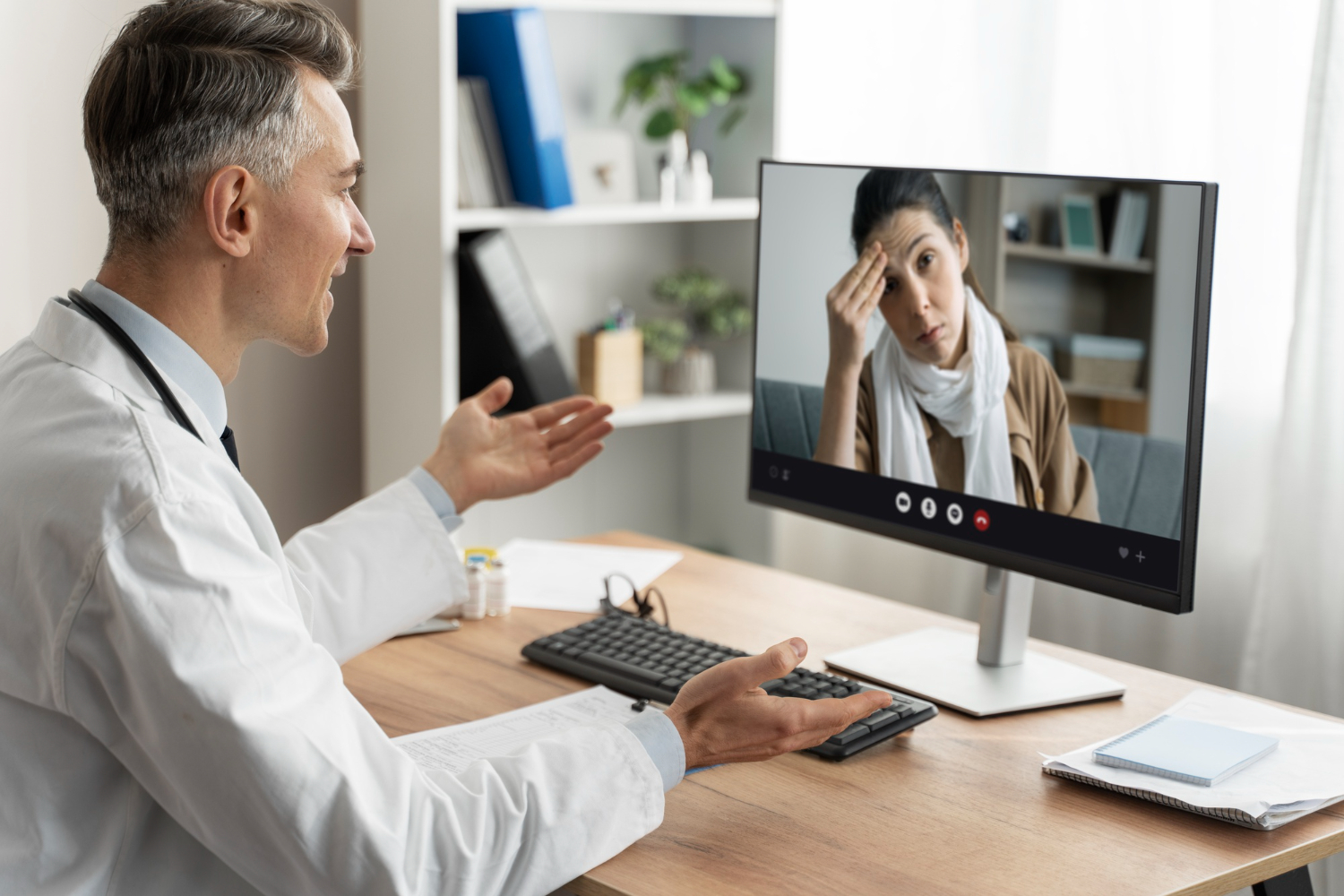
Mental health care has evolved into a collaborative field where patients have access to different types of professionals who provide treatment, therapy, and ongoing support. Among the most significant providers are nurse practitioners and physicians, each bringing unique training, perspectives, and methods to patient care. While both share the goal of improving patient outcomes, their approaches can vary. Today, patients also have the option to seek help online, making care more accessible than ever. For example, an Online Psychiatric Nurse Practitioner can provide evaluation, diagnosis, and medication management in ways that mirror traditional psychiatric care but with added convenience. Understanding the similarities and differences between nurse practitioners and physicians in mental health care can empower patients to make informed decisions about their treatment journey.
The Role of Physicians in Mental Health Care
Physicians, specifically psychiatrists, have long been central figures in mental health care. Their role includes:
Comprehensive evaluations to diagnose mental health conditions.
Prescribing and managing medications for disorders like depression, anxiety, and bipolar disorder.
Overseeing complex cases that may involve co-occurring physical and mental health issues.
Because psychiatrists are medical doctors, they often approach treatment through a biomedical lens, focusing heavily on symptom management through medications. Their training is extensive, including medical school and residency, which equips them to handle severe or treatment-resistant conditions.
The Role of Nurse Practitioners in Mental Health Care
Nurse practitioners (NPs), particularly psychiatric mental health nurse practitioners (PMHNPs), bring a holistic perspective to treatment. Their role often emphasizes:
Patient-cantered care that integrates physical, emotional, and social aspects of health.
Diagnosis and medication management for mental health conditions.
Therapeutic communication and counselling, supporting patients beyond prescriptions.
NPs complete advanced nursing education (often a master’s or doctoral degree) and are licensed to prescribe medications in most states. Their training blends medical knowledge with nursing’s holistic approach, allowing them to focus not only on the illness but also on the patient’s overall well-being.
Key Differences Between Nurse Practitioners and Physicians
Although their roles overlap significantly, there are distinct differences between nurse practitioners and physicians in mental health care:
Training and Education
Physicians: Medical school + residency, often 8–12 years of training.
Nurse Practitioners: Bachelor’s degree in nursing, advanced graduate education, and clinical training (6–8 years total).
Treatment Philosophy
Physicians: Medical model; symptoms and pharmacological solutions.
Nurse Practitioners: Holistic model; integrates physical health, lifestyle, and mental well-being.
Accessibility
Physicians: Fewer in number, longer wait times, higher costs.
Nurse Practitioners: Increasing availability, often more affordable, and more open to telehealth services.
Collaboration
Both roles frequently collaborate in care teams, ensuring patients receive the benefits of medical expertise and holistic care combined.b
Why Patients Choose Nurse Practitioners
Patients often report that nurse practitioners spend more time listening, explaining treatment plans, and offering emotional support. For those who want a provider who balances clinical knowledge with compassionate care, NPs can be an excellent choice. The rise of telehealth has further expanded patient access, with many now able to schedule appointments with psychiatric NPs online and receive timely care.
Why Patients Choose Physicians
Physicians, particularly psychiatrists, remain essential for treating complex conditions that require intensive monitoring or when multiple medications interact with physical health issues. Patients with severe or treatment-resistant mental illness often turn to physicians for their in-depth expertise.
Collaboration in Mental Health Care
In many settings, nurse practitioners and physicians work side by side. This team-based approach ensures patients benefit from the best of both worlds: the diagnostic and pharmacological depth of physicians and the holistic, patient-centered style of nurse practitioners. For patients navigating the system, understanding these roles can help set realistic expectations about the kind of care they will receive.
Online Mental Health Care: Bridging Gaps
The shift toward online care has changed the way people access treatment. Nurse practitioners have embraced telehealth, offering patients a safe, secure, and convenient way to receive psychiatric support. Online sessions can include evaluations, follow-ups, and medication management without requiring patients to leave home. This is particularly beneficial for individuals in rural areas, those with mobility challenges, or people managing busy schedules.
Online care also emphasizes accessibility and affordability. Many find it easier to secure appointments with online providers compared to traditional in-person clinics, which often have months-long waitlists.
Comparing Approaches: A Patient’s Perspective
From a patient’s point of view, the choice between a nurse practitioner and a physician often comes down to individual needs:
If you want detailed medical expertise for a complex condition: A physician may be the better fit.
If you want a provider who emphasizes communication and lifestyle integration: A nurse practitioner may feel more approachable.
Both roles are legitimate and highly trained, and the “best” provider is the one who aligns with a patient’s unique circumstances.
The Importance of Understanding Provider Roles
It is common for patients to feel uncertain about whether to choose a nurse practitioner or physician for mental health support. Taking time to learn about these roles is valuable for making informed choices. For example, exploring resources on [Mental Health Providers: Roles] can provide a broader understanding of the professionals involved in psychiatric care.
Having this knowledge equips patients to ask the right questions, set expectations, and feel confident about their treatment journey.
Real-World Example of Care
Consider a patient experiencing depression and anxiety who connects with a nurse practitioner online. The provider listens attentively, assesses symptoms, prescribes an appropriate medication, and checks in regularly to evaluate progress. Over time, the patient feels supported not only through medical treatment but also through consistent follow-up and encouragement. This type of care demonstrates the strengths of the NP approach—patient-centered, accessible, and holistic.
On the other hand, patients dealing with more complex psychiatric conditions, such as treatment-resistant schizophrenia, often benefit from the extensive medical training and resources of a psychiatrist. This collaboration illustrates that both roles are essential, not competitive.
Final Thoughts
The debate of nurse practitioners versus physicians in mental health care is less about superiority and more about complementary roles. Both are critical to meeting the rising demand for psychiatric care in the United States. With the growing acceptance of telehealth, providers such as Dr Billerr exemplify how mental health professionals are adapting to meet patient needs online. Whether patients choose a nurse practitioner or physician, the ultimate goal remains the same: compassionate, effective, and accessible care.