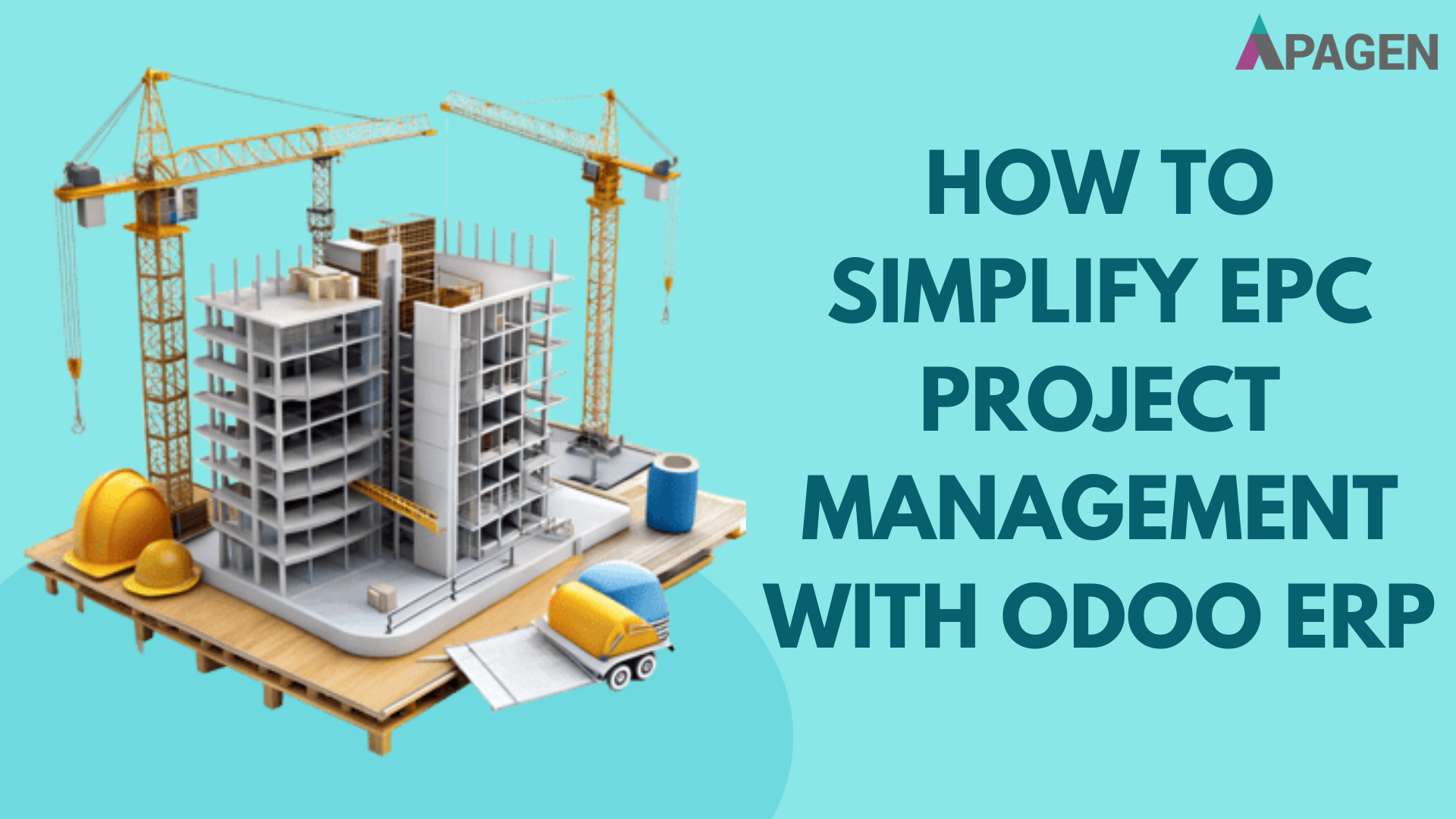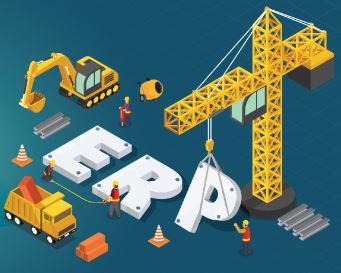


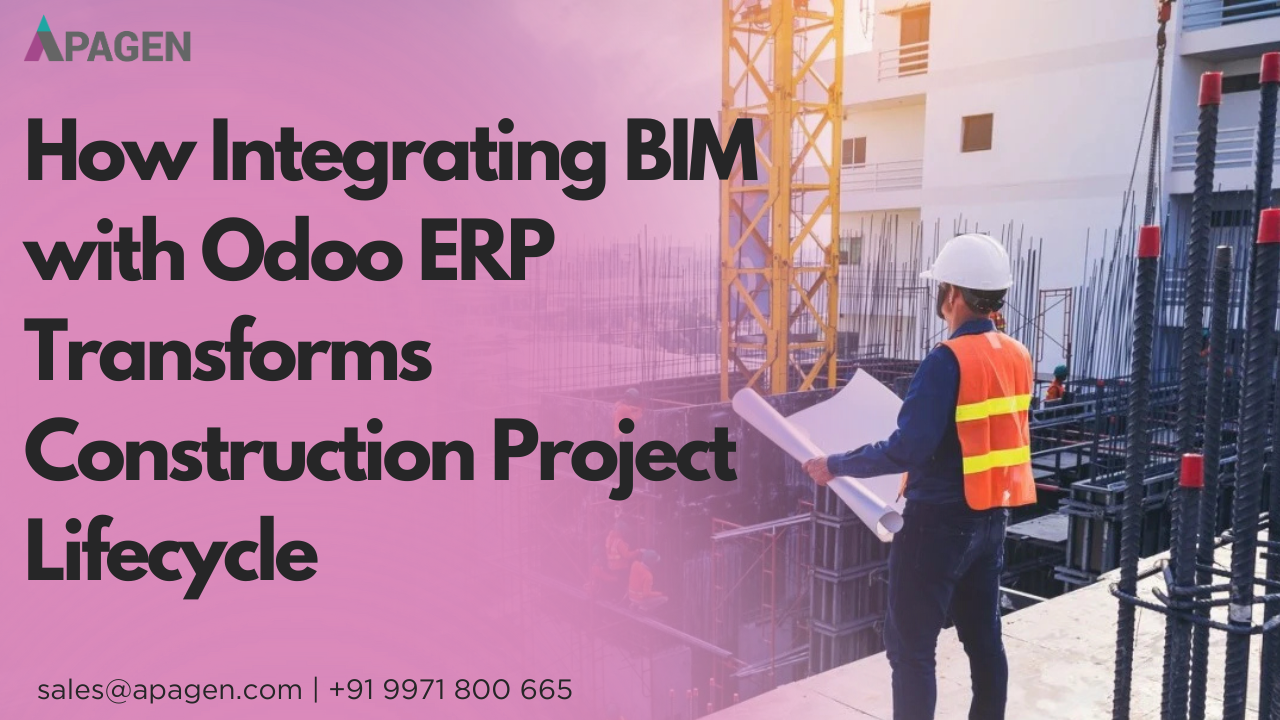
The construction industry is inherently complex, involving multiple stakeholders, tight schedules, and significant budgets. Miscommunication, delays, and cost overruns are common challenges, especially on large-scale projects.
Two technologies Building Information Modeling (BIM) and Odoo ERP have emerged as transformative solutions.
While BIM provides a detailed digital model for design visualization, clash detection, and project planning, Odoo ERP manages the operational side of construction: finance, procurement, resource allocation, and workflow automation.
Integrating these systems creates a single source of truth, streamlining the entire project lifecycle from design to handover.
What is BIM and Why It Matters
Building Information Modeling (BIM) is a process that generates and manages digital representations of physical and functional characteristics of a project. Beyond 3D modeling, BIM facilitates:
- Visualization – Real-time 3D views help teams understand the project before construction begins.
- Clash Detection – Early identification of design conflicts reduces rework and delays.
- Lifecycle Management – Supports maintenance, renovations, and facility management post-construction.
However, while BIM improves design clarity, it cannot handle operational tasks such as procurement, accounting, or contractor coordination. This gap is effectively filled by Odoo ERP.
Why Odoo ERP Complements BIM Perfectly
Construction Specific Odoo ERP solution is a modular, flexible, and construction-ready platform. It manages project operations, accounting, procurement, HR, inventory, and more. Integrating Odoo with BIM allows:
- Design to Procurement Automation – Material lists from BIM feed directly into Odoo’s procurement module, reducing manual errors.
- Real-Time Cost Tracking – Odoo monitors budgets versus actual costs based on BIM estimates.
- Scheduling & Resource Planning – Project timelines in BIM sync with Odoo’s project management tools for optimized resource allocation.
- Site Execution Monitoring – Field teams use BIM models on tablets while Odoo tracks labor, materials, and progress.
- Handover & Maintenance – Asset data from BIM links with Odoo’s maintenance module, supporting long-term facility management.
This integration ensures projects stay on schedule, within budget, and aligned with strategic goals.
Benefits Across the Project Lifecycle
1. Design Stage
- BIM-generated BOQs automatically create procurement and cost plans in Odoo.
- Real-time budget monitoring prevents early financial deviations.
2. Procurement Stage
- Odoo automates purchase requests and vendor management based on BIM data.
- Supplier selection and performance evaluation become data-driven.
3. Construction Stage
- Progress dashboards display actual completion versus BIM timelines.
- Material usage is tracked in real-time, reducing wastage.
- Labor and subcontractor hours are accurately recorded.
4. Handover Stage
- As-built documentation from BIM ensures a smooth transfer.
- Odoo handles final invoicing, receivables, and contract closure.
5. Operations & Maintenance
- Predictive maintenance scheduling reduces equipment downtime.
- BIM’s digital twin integrates with Odoo’s asset management for ongoing efficiency.
How to Implement BIM + Odoo ERP Integration
- Assess Existing Workflows Map processes across design, procurement, and site execution. Identify communication gaps between teams.
- Select an Integration Approach Use APIs or middleware to connect BIM platforms (Revit, ArchiCAD, Navisworks) with Odoo ERP. Decide whether real-time or periodic sync is suitable.
- Pilot the Integration Start with one project. Sync BIM-generated BOQs with Odoo’s procurement and project modules. Monitor data flow, accuracy, and user adoption.
- Expand Across the Lifecycle Extend integration to finance, HR, and subcontractor management. Create dashboards that combine BIM visuals with Odoo KPIs.
- Training & Change Management Train design, operations, and finance teams on the integrated system. Encourage collaboration across departments.
Real-World Example
Consider a 500,000 sq. ft. industrial facility project. BIM identifies 15 HVAC units, and the model feeds this data into Odoo ERP.
Automated purchase requests are sent to pre-approved vendors, costs are tracked in real-time, and project managers monitor progress via dashboards. On-site teams access BIM models digitally while Odoo tracks labor and materials.
Post-construction, the facility manager receives a digital twin linked to Odoo’s maintenance module.
Outcome: 25% faster delivery, 18% reduction in material waste, and improved stakeholder satisfaction.
Why This Integration is Critical
The construction industry is moving toward digital-first, data-driven operations. Firms that leverage BIM with Odoo ERP achieve:
- Reduced manual errors and rework.
- Better visibility into costs and timelines.
- Improved coordination among design, finance, and operations teams.
- Higher profitability and client satisfaction.
Integration is no longer optional, it is essential for staying competitive.
Integrating BIM with Odoo ERP transforms construction project management by connecting design insights with operational execution. From concept to maintenance, the integrated workflow reduces risks, accelerates timelines, and enhances overall project quality.
For forward-looking construction firms, adopting this integration is a strategic investment in efficiency, accuracy, and growth.
To know more how this can streamline your construction building drop us a line at sales@apagen.com or call us on +91 9971800665.