


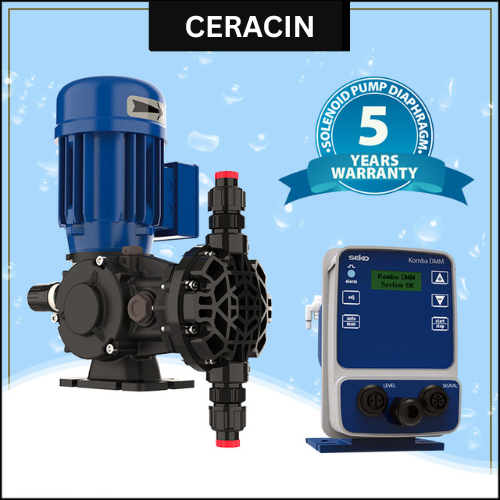
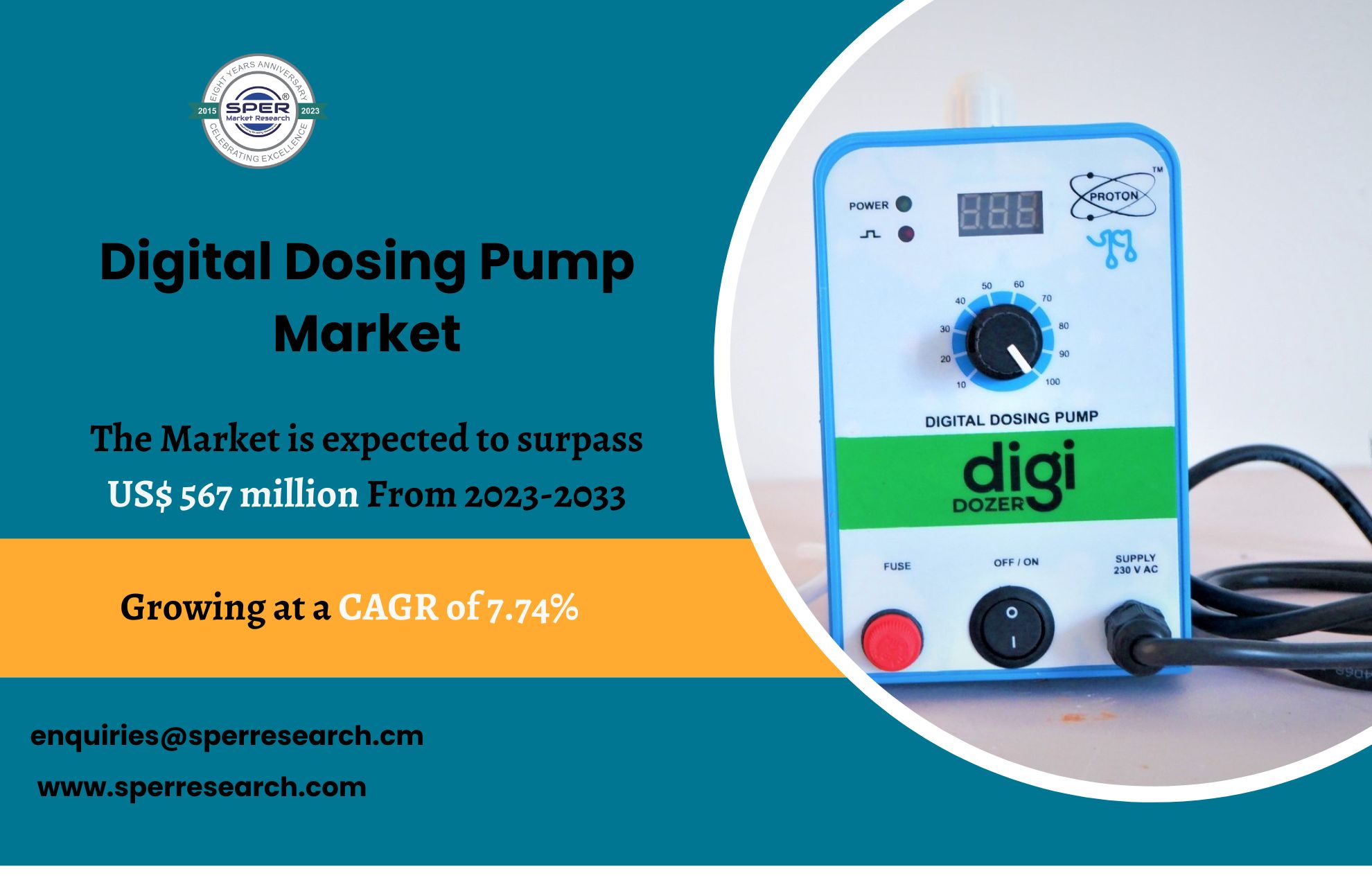
A dosing pump is a tiny positive-displacement pump. It is intended to pump a highly accurate flow rate of a chemical or material into a water, steam, or gas stream. A dosing/metering pump can provide an accurate flow rate of chemical or other product in a variety of ways, but it typically includes pulling a measured quantity into a chamber and then injecting this volume of chemical into the pipe or tank being dosed. Dosing metering pumps are utilized in a range of applications, including agriculture, industry, manufacturing, and medical.
A dosing pump is typically relatively tiny, operated by either a small electric motor or an air actuator. They are controlled by an external control system or, more typically, an internal pump controller that may change the flow rate, turn on/off the pump, and provide alerts and warnings for dry running, degassing, and low product levels.
How does a dosing pump operate?
A dosing or metering pump takes a certain volume of liquid into its chamber before injecting the chemical into the tank or pipe carrying the fluid being metered. It is driven by an electric motor or an air actuator and contains a controller that turns on and off the pump and regulates the flow.
Diaphragm pumps are positive-displacement pumps that employ reciprocating diaphragms to transport fluid. They have been discovered to be extremely dependable since there are no internal parts to grind against each other, producing friction and wear. Furthermore, because no seals or lubrication are required in the pump head, there is no risk of oil vapor contamination or pumped medium leakage.
Dosing Pump Basic Features
Drive: Pumps are typically operated by AC constant-speed motors. Variable-speed, pneumatic, and hydraulic drives are also utilized. Smaller pumps employ solenoid coils as a cost-effective driving mechanism.
Drive Mechanism: The drive mechanism turns the drive's rotating motion into reciprocating motion. Industrial pumps immerse this component of the pump in an oil bath to guarantee dependability during continuous operation. Solenoid pumps create linear motion directly through the use of solenoids.
Flow Rate Adjustment: Pump flow rate can be adjusted by adjusting the stroke length, effective stroke length, or stroke speed. Most metering pumps use micrometer screw adjustments or electrical or pneumatic actuators to alter pump flow in response to process indications.
Accuracy: A correctly installed industrial-grade metering pump has a steady-state accuracy of +1.0% or higher. While a dosing pump may control the pump at any flow rate between zero and maximum capacity, its accuracy is governed by the pump's regulation ratio. Today's hydraulically powered metering pumps have a control ratio of 1000-1, which means they can properly administer substances ranging from 0.1% to 100% of their stated capacity.
Liquid End: The liquid end is referred to as the "wet" section of the pump. When working with dangerous or hazardous substances, it is critical to evaluate how it will safeguard plant staff and the environment. Stainless steel, nickel alloy, or plastic material is used according to the application's parameters, which include temperature, flow rate, fluid viscosity, and the corrosiveness of the substance to be pumped.
Conclusion
In this post, we reviewed dosing pump systems, how the pumps function, and their features. If you require any further information or want to buy quality industrial pumps, contact Ceracin.

These pumps are of the following types: Progressive Cavity Pump, Twin Screw Pump, Gear Pump, Macerator and AODD.Roto Pumps is the market leader for the past 45 years.
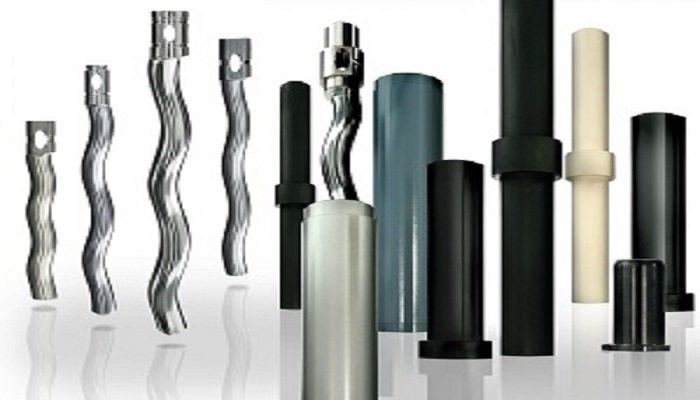
These pumps operate with the help of a single external helix metallic rotor and a stator that is a double internal helix elastomer.
When the rotor rotates inside the stator, cavities are formed.
These cavities move the liquid from the suction end to the discharge end of the pump.
The Progressive Cavity Pump can perform in both directions and handle highly viscous liquids with pseudo-plastic characteristics.
Because of their single rotating element cavities are formed which ensure metered and uniform flow of liquids.