

Bangalore, often referred to as the “Silicon Valley of India,” is not only a hub for technology and innovation but also a city known for its pleasant climate. Nestled on the Deccan Plateau at an elevation of approximately 900 meters, the city enjoys moderate temperatures throughout the year, with average highs rarely exceeding 35°C and lows rarely dipping below 15°C. This temperate climate, coupled with seasonal monsoons, has a profound impact on architecture and, more specifically, on the design of villas in Bangalore.
Modern villas in the city are no longer just about aesthetics and luxury—they are increasingly shaped by the need for energy efficiency, comfort, and harmony with the surrounding environment. In this blog, we explore how Bangalore’s climate influences the design of these homes.
1. Emphasis on Natural Ventilation
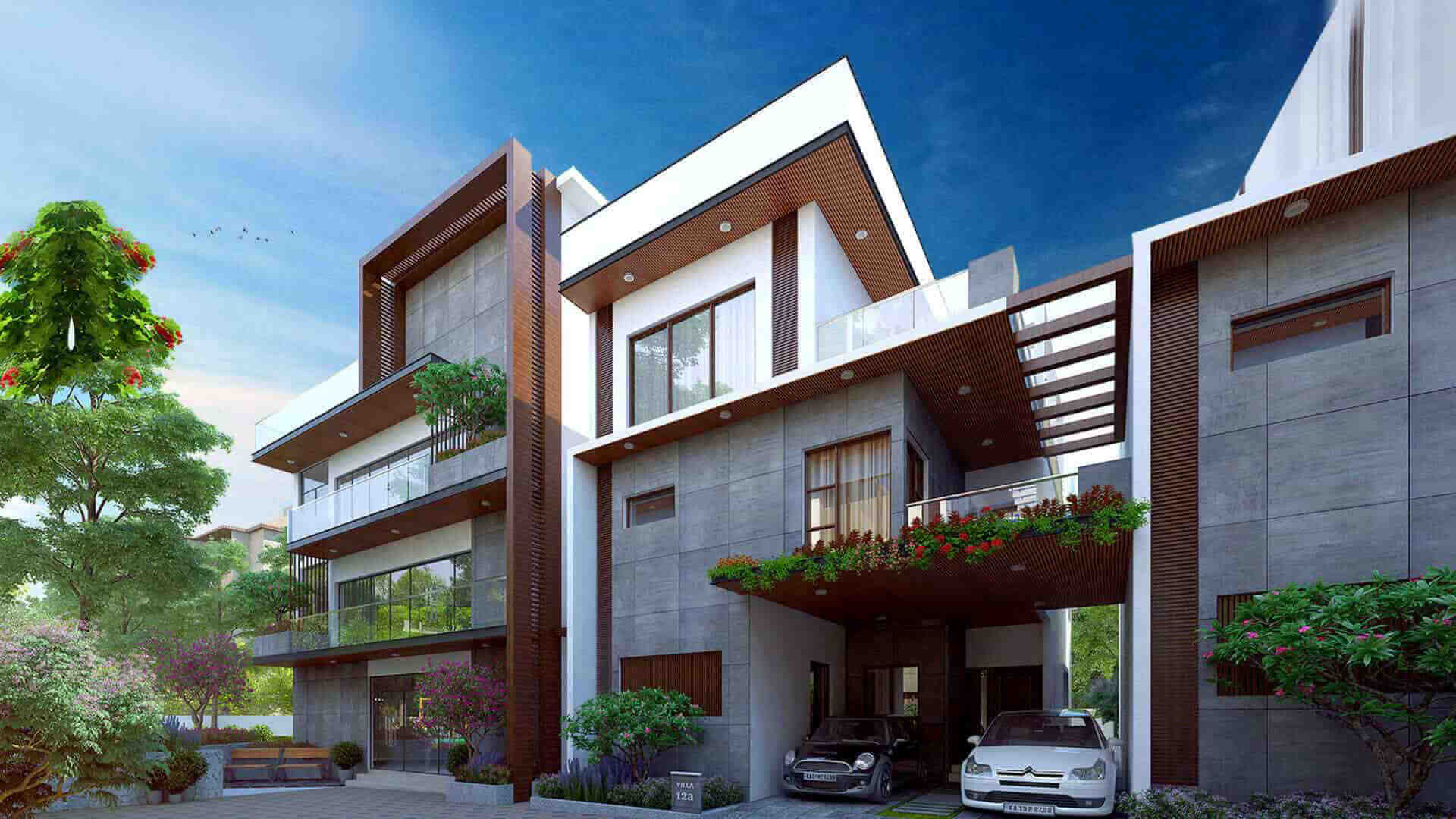
One of the most significant influences of Bangalore’s climate on villa design is the focus on natural ventilation. With its moderate temperatures and breezy weather, architects prioritize layouts that maximize airflow. High ceilings, strategically placed windows, and cross-ventilation corridors are common features in modern villas in Bangalore. These elements not only reduce dependence on artificial cooling but also create airy and comfortable living spaces that blend indoor and outdoor environments.
Additionally, operable windows and ventilated verandas help residents enjoy Bangalore’s fresh air while keeping interiors cool. Many villas incorporate open-plan living spaces that allow for unobstructed air movement, enhancing overall comfort.
2. Use of Sustainable Materials
Bangalore’s climate, with its occasional heavy rains during the monsoon, calls for the use of durable and moisture-resistant materials. Modern villas often feature locally sourced stone, treated wood, and weather-resistant concrete. These materials not only withstand seasonal changes but also reduce maintenance costs over time.
Furthermore, architects are increasingly integrating eco-friendly materials like bamboo, terracotta tiles, and recycled wood. These materials provide natural insulation, keeping interiors warm during cooler months and cool during summer, aligning perfectly with the city’s temperate climate.
3. Roof and Terrace Design
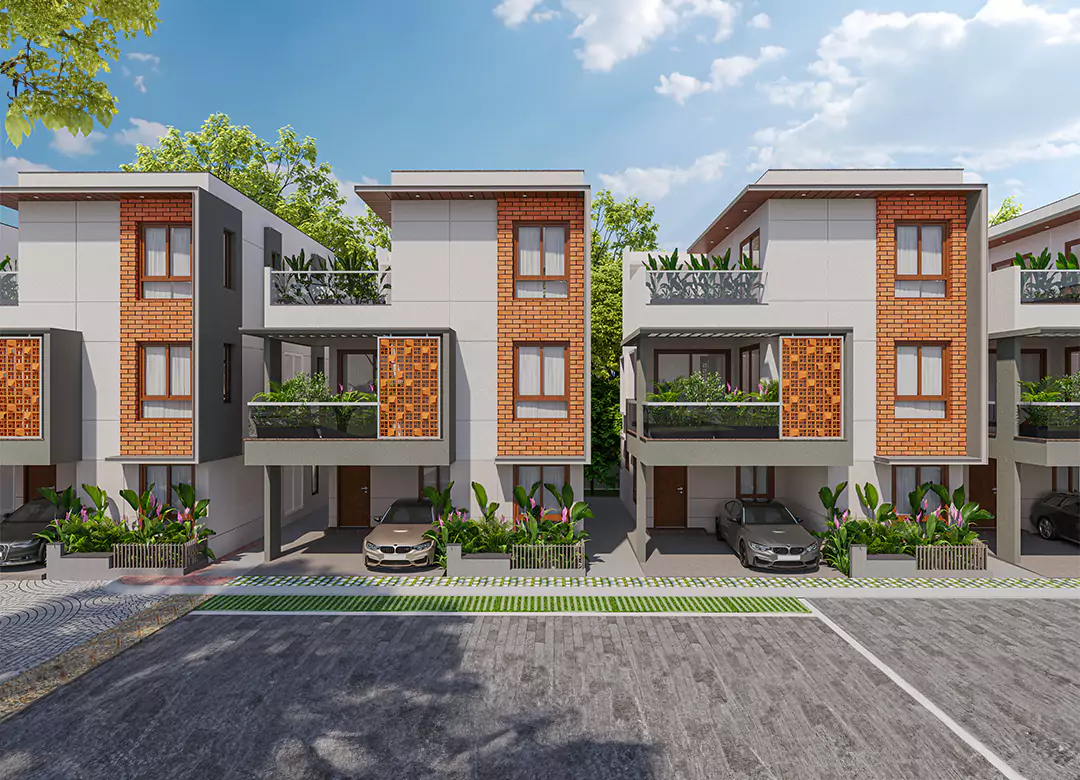
The design of roofs and terraces in Bangalore villas is directly influenced by the city’s rainfall pattern and sunny days. Sloping roofs with proper drainage systems are common to prevent waterlogging during the monsoon season. Terraces are often designed with water-resistant finishes and sometimes feature green roofs or rooftop gardens, which help regulate temperature and improve energy efficiency.
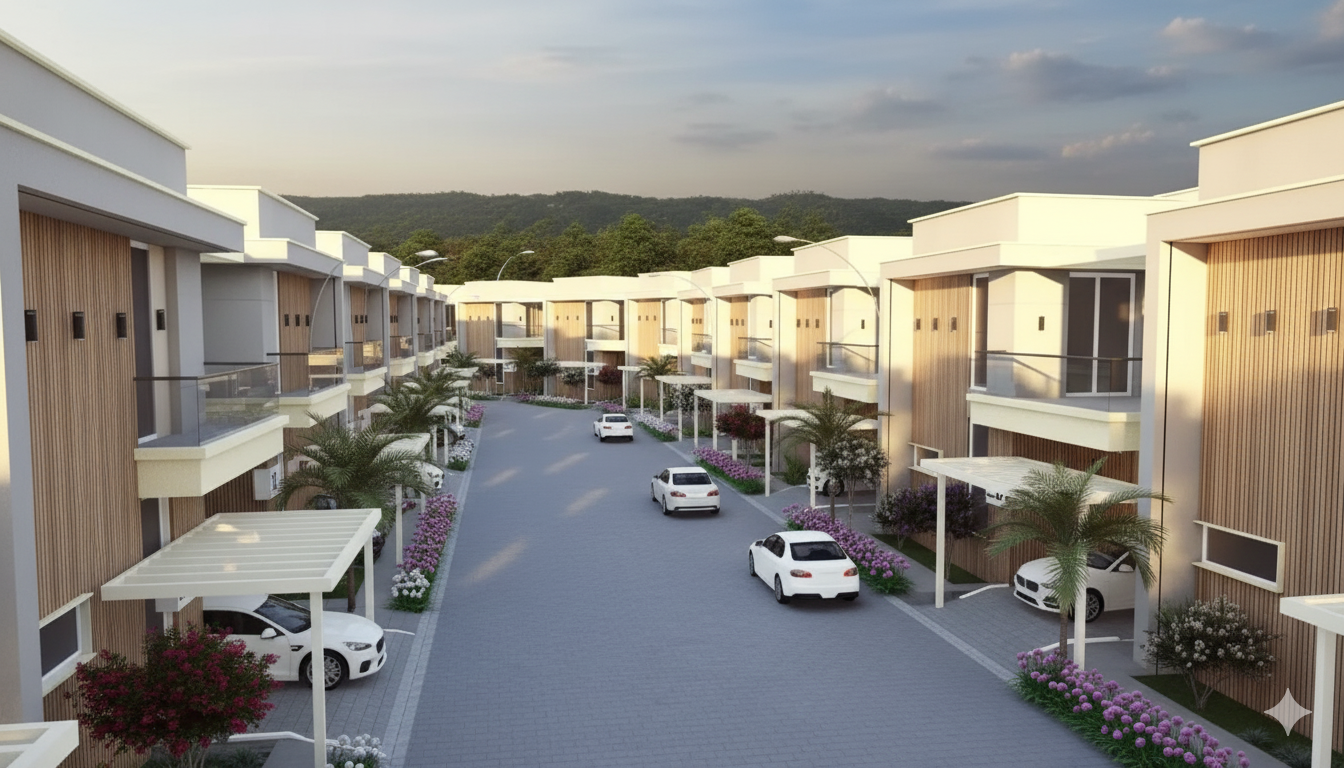
In addition, overhangs and pergolas are used to provide shade, reducing heat gain while still allowing light to filter into living spaces. This approach demonstrates how climate considerations drive not only functionality but also aesthetic appeal in villas in Bangalore.
4. Indoor-Outdoor Living
Bangalore’s pleasant climate encourages designs that seamlessly integrate indoor and outdoor living. Large patios, courtyards, and landscaped gardens are common features in modern villas. These spaces allow residents to enjoy the temperate weather year-round, hosting outdoor gatherings or simply relaxing in natural surroundings.
Sliding glass doors, verandas, and shaded decks extend the living area outdoors while maintaining privacy and comfort. This connection to nature is a hallmark of modern villa design in Bangalore, highlighting the city’s climate as a key factor in creating open, breathable spaces.
5. Energy Efficiency and Climate-Responsive Technology
Another crucial aspect influenced by Bangalore’s climate is the adoption of energy-efficient and climate-responsive technologies. Many villas now incorporate solar panels, rainwater harvesting systems, and energy-efficient lighting and appliances. Solar orientation is carefully considered, with large windows positioned to maximize daylight while minimizing heat gain.
Intelligent HVAC systems are designed to complement natural ventilation, providing cooling or heating only when necessary. This approach not only reduces energy consumption but also aligns with sustainable living practices increasingly expected in luxury villas in Bangalore.
6. Landscaping and Water Management
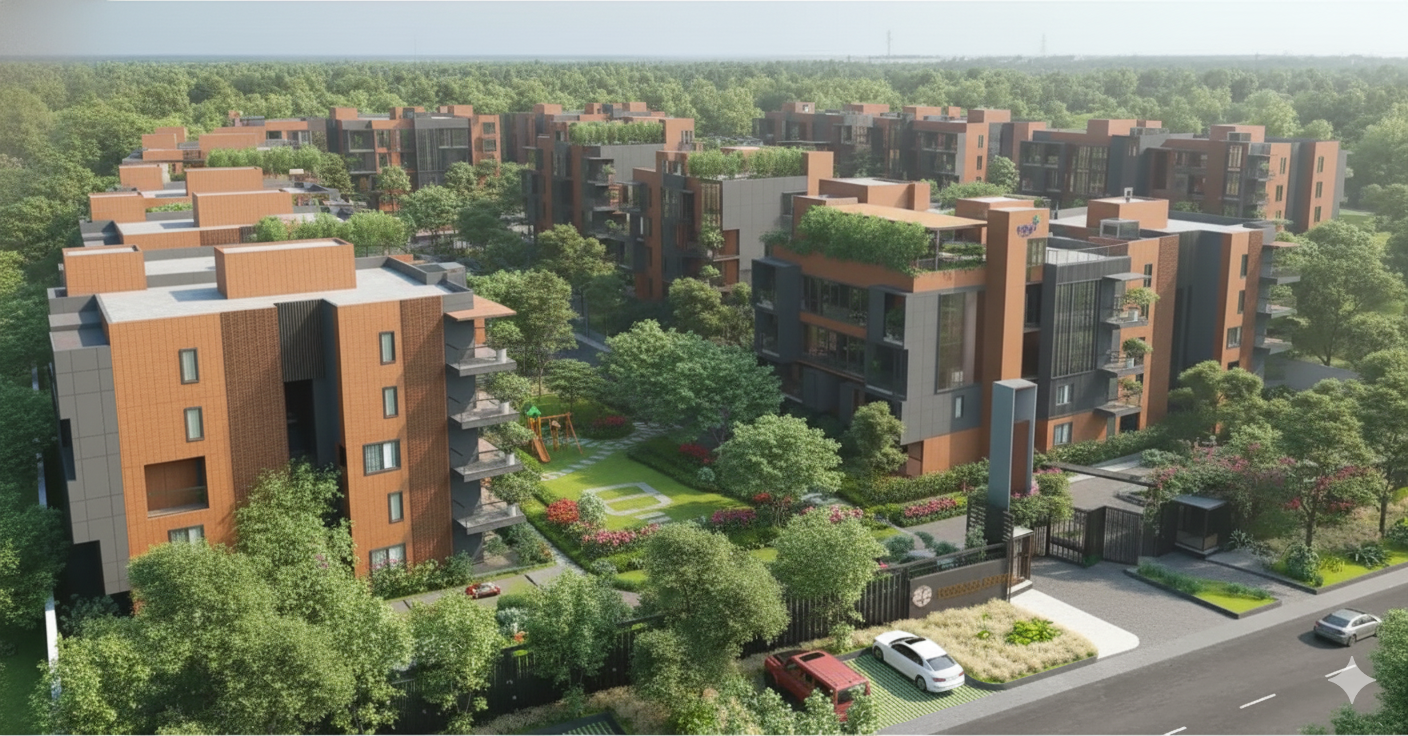
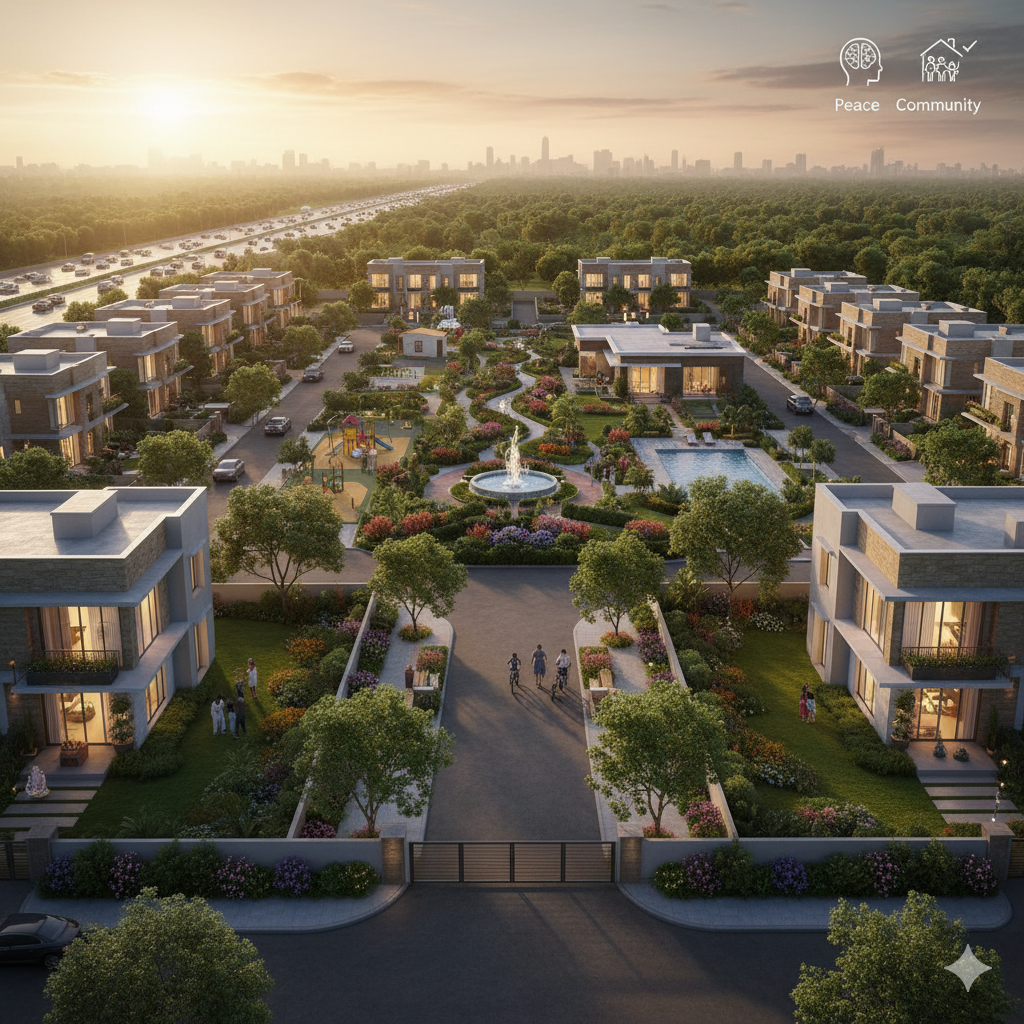
The city’s moderate climate also allows for diverse landscaping options, from native plants to ornamental gardens. Water-sensitive landscaping, including drip irrigation and rainwater storage, is crucial in villa communities to make the most of the seasonal rains. Landscaped gardens, water bodies, and green corridors around villas enhance the microclimate, reduce heat, and contribute to a tranquil living environment.
Conclusion
The climate of Bangalore plays a defining role in shaping the design of modern villas. From natural ventilation and energy-efficient materials to indoor-outdoor living spaces and water-conscious landscaping, architects are constantly adapting to the city’s temperate conditions. Modern villas in Bangalore are not just luxurious homes—they are thoughtfully designed spaces that harmonize with nature, provide comfort throughout the year, and reflect sustainable living practices.
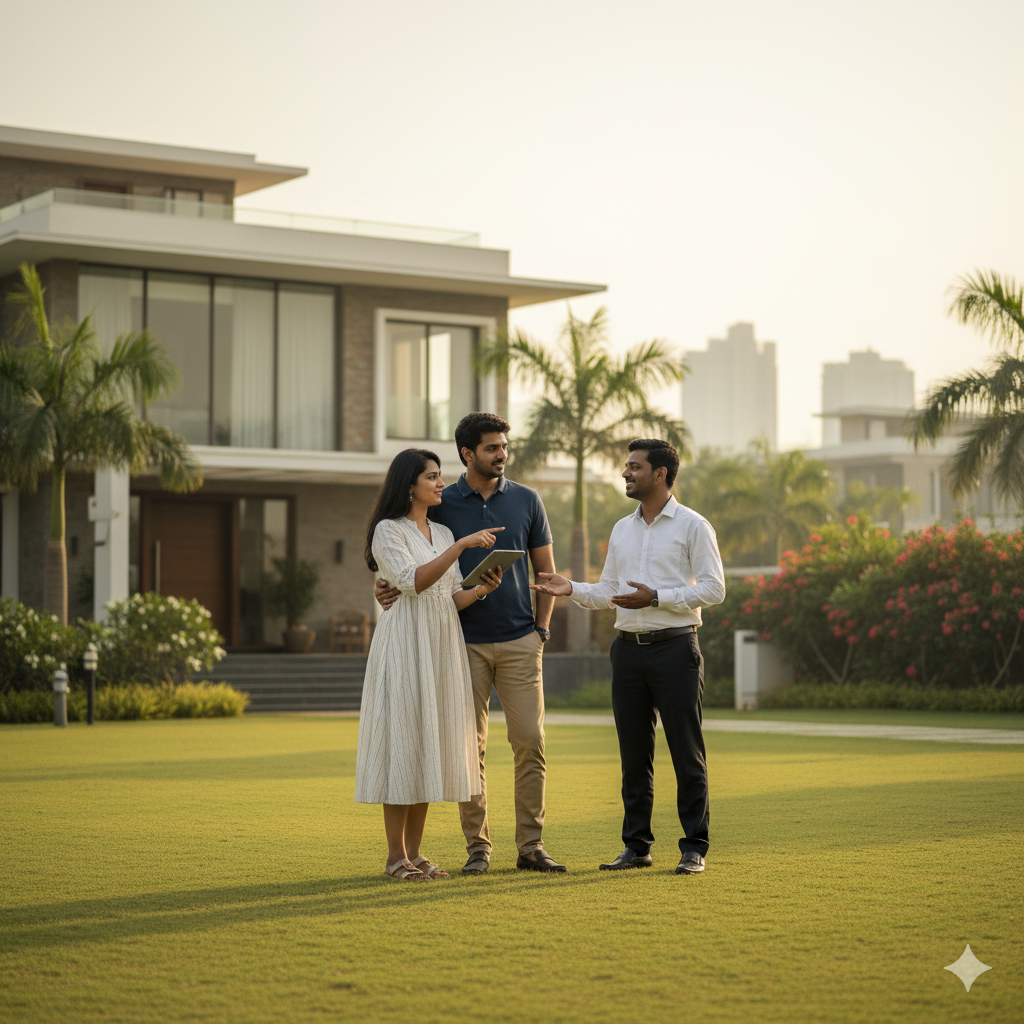
For homebuyers and investors, understanding how climate influences villa design is essential. It ensures that a villa is not only aesthetically appealing but also environmentally responsive, energy-efficient, and comfortable in every season. As Bangalore continues to grow, the marriage of climate-aware design and luxury living will define the next generation of villas in this vibrant city.