


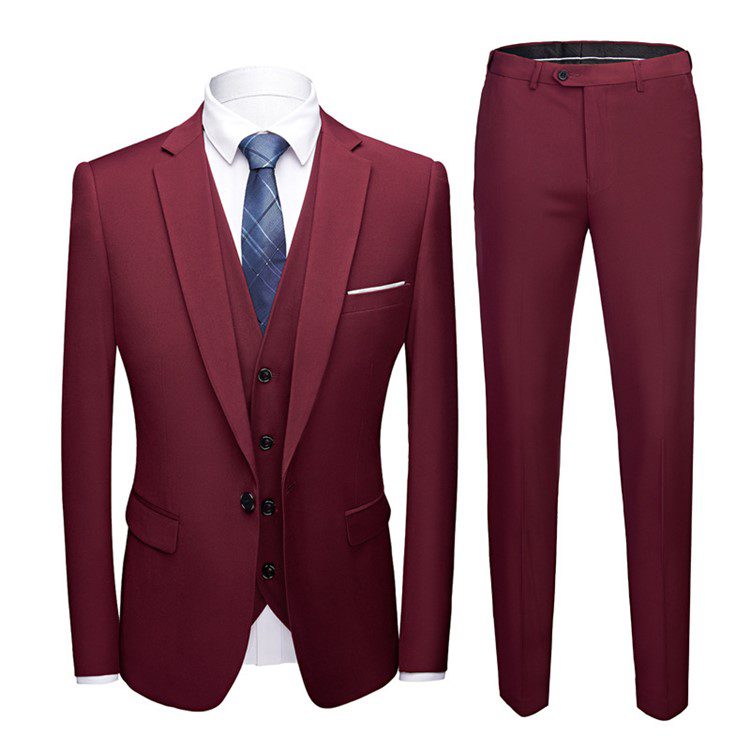
When it comes to dressing for special occasions, few things convey elegance and sophistication like a well-tailored suit. Yet, mastering the art of layering can elevate your look from simple to unforgettable. Layering is not just about keeping warm; it’s a chance to express personality, refine style, and adapt your ensemble to varying environments. By thoughtfully combining vests, overshirts, and coats, you can transform your wardrobe into a versatile toolkit that works for both formal gatherings and semi-casual settings. Understanding the nuances of layering is essential for anyone looking to make a lasting impression without appearing overdone. In this article, we will explore how to approach layering with suits in a way that balances style, comfort, and functionality.
Understanding the Role of Vests
Vests, also known as waistcoats, are a classic layering piece that can completely alter the silhouette of a suit. They provide structure and add depth, breaking up the monotony of a single-color suit while emphasizing the torso. A fitted vest can slim down the figure, creating a polished, elongated appearance. Traditional three-piece suits often include a vest as a core component, but the beauty of modern fashion is that vests can now be worn independently as well.
When selecting a vest, consider texture and color. Wool vests are perfect for colder months, offering warmth without bulk, while lighter fabrics like linen or cotton work well in spring and summer. Matching the vest to your suit is a safe approach, but experimenting with complementary shades can create visual interest. For instance, a charcoal vest paired with a navy suit introduces a subtle contrast that remains refined. Layering with a vest also allows you to forgo a jacket in slightly less formal settings while still appearing sharp.
Overshirts: The Casual Layering Secret
Overshirts, often overlooked in formal wardrobes, are versatile pieces that bridge the gap between casual and dressy. Unlike traditional dress shirts, overshirts are typically made from thicker materials such as flannel, twill, or denim, which makes them ideal for transitional weather. Layering an overshirt over a shirt but under a blazer can add texture and dimension to your ensemble, demonstrating an effortless sense of style.
Color coordination is key when integrating overshirts into a suit look. Neutral shades like olive, grey, or muted earth tones tend to harmonize with a wide range of suit colors. However, don’t shy away from patterned or subtly bold options; a checked overshirt can inject personality without overpowering the overall outfit. This approach is especially useful for outdoor events or semi-formal gatherings where rigid formality is not required but style is still paramount.
Coats and Outerwear for Suits
No layering discussion would be complete without addressing coats. A well-chosen coat can protect your suit while complementing the overall aesthetic. Classic options such as overcoats, trench coats, and pea coats remain popular because of their timeless elegance. Overcoats, particularly in wool or cashmere blends, provide warmth and structure, draping naturally over tailored shoulders for a clean silhouette.
When wearing a coat over a suit, fit is essential. The coat should accommodate the bulk of your suit jacket without creating awkward folds or restricting movement. Pay attention to length as well; a coat that is too short may look disproportionate, while one that is excessively long can overwhelm the frame. Layering with a coat also allows for creative accessorizing. Scarves, pocket squares, and gloves can be integrated seamlessly, enhancing both style and practicality.
Playing with Textures and Patterns
One of the most exciting aspects of layering is the ability to mix textures and patterns. A smooth wool blazer paired with a knit vest or a flannel overshirt creates contrast that elevates a standard suit into a statement outfit. Patterns, when applied thoughtfully, can also add dimension. For example, pairing a pinstriped suit with a subtle herringbone vest can create a sophisticated interplay of lines without clashing.
Textures are particularly effective in wedding ensembles. Lighter, breathable fabrics work best for summer weddings, while heavier fabrics like tweed or cashmere add a touch of warmth and luxury in winter. Understanding how textures interact helps avoid a flat, monotonous look. Subtle variations, like a slightly rough overshirt under a smooth jacket, make the outfit visually appealing while still maintaining formality.
Layering for Weddings
When preparing for weddings, careful attention to layering ensures both comfort and style. Wedding suits, for instance, benefit from strategic layering that balances elegance with personal expression. A vest under a tailored jacket can provide a sophisticated touch, while a lightweight coat or overshirt offers adaptability during outdoor ceremonies. Accessories such as ties, pocket squares, and cufflinks further enhance the layered ensemble without creating clutter.
Weddings often involve fluctuating temperatures, from warm outdoor ceremonies to cooler reception venues. Layering allows for easy adaptation removing a vest or adding a stylish overshirt can help maintain comfort without compromising the overall look. Color coordination is particularly important in wedding contexts, as you want your layers to harmonize with the event’s palette and the formal tone of the celebration.
Practical Layering Tips
Successful layering starts with balance. Avoid adding too many bulky pieces, which can create a stiff, uncomfortable silhouette. Focus on fit and proportion to maintain a clean, sharp appearance. Additionally, consider the order in which layers are worn: a base layer, such as a dress shirt, followed by a vest or overshirt, and topped with a coat, provides both practicality and aesthetic cohesion.
Experimentation is key. Don’t hesitate to try unconventional combinations, such as wearing a patterned vest under a plain jacket or layering an overshirt over a monochrome suit. Confidence in styling enhances the impact of the layered look. Shoes and accessories also play a role, as they should complement, not compete with, the layered elements of your outfit.
Conclusion
Layering with suits is more than a functional necessity it’s an opportunity to showcase creativity and refinement. From vests that accentuate structure, to overshirts that add casual sophistication, and coats that provide warmth and elegance, every layer contributes to a harmonious ensemble. Mastering the art of layering ensures that your suit wardrobe remains versatile, adaptable, and always stylish. Whether attending weddings, corporate events, or seasonal gatherings, understanding how to combine textures, patterns, and layers allows you to present a polished, thoughtful appearance. Layering isn’t merely about adding pieces; it’s about orchestrating them to enhance your overall look and personal style.

Mens Leather ClothingWe offer a variety of men leather clothing, including leather kilts, jackets, vests, shirts, pants, chaps, overalls and coats.
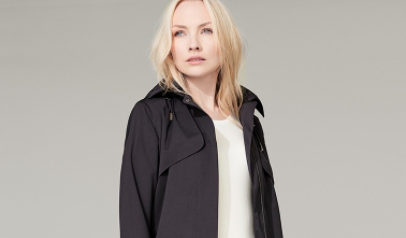
It is windproof and fully breathable Protected Species Waterproof Commuter.
A very soft cocoon shape made in our signature tactile four-way stretch fabric provides an effortless and versatile jacket for all year-round use.
With slim line sleeves and a fully concealable hood, the Commuter is the tailored modern-day answer to a waterproof for the city.https://sites.google.com/view/protected-species/homewomens waterproof coats with hoods