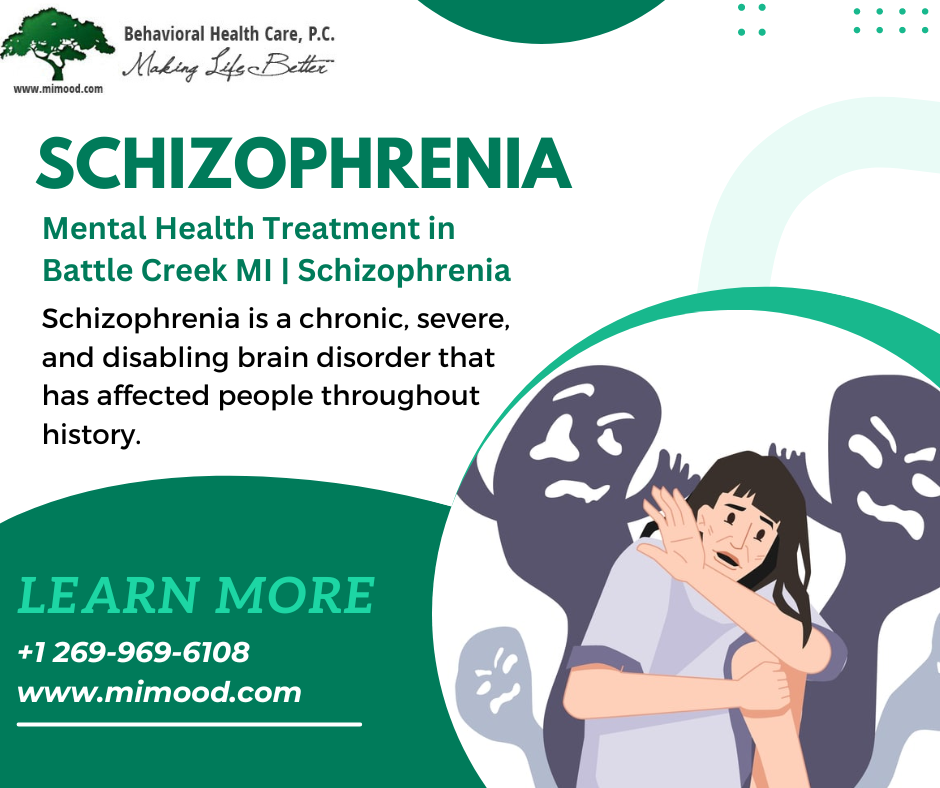



Schizophrenia is one of the most studied yet misunderstood mental health conditions, affecting how a person thinks, perceives reality, and interacts with others. A proper Schizophrenia Overview is essential for understanding its complex symptoms, which are often categorized into positive, negative, and cognitive signs. Identifying these symptoms early can make a significant difference in managing the disorder effectively.
Positive Symptoms: When Perception Is Altered
Positive symptoms are those that add unusual experiences or behaviors to an individual’s life. They do not mean “good” but rather “in addition to typical functioning.” These symptoms often contribute to the most recognizable signs of schizophrenia.
Hallucinations
Hallucinations involve sensing things that are not actually present. The most common are auditory hallucinations, where individuals hear voices that others cannot. These voices may comment on their behavior, give commands, or carry on conversations. Visual, tactile, or olfactory hallucinations can also occur, though less frequently.
Delusions
Delusions are strongly held false beliefs that remain unchanged despite evidence to the contrary. For example, a person might believe they are being followed, that someone is controlling their thoughts, or that they have extraordinary powers. These beliefs can make it difficult to distinguish between reality and perception.
Disorganized Thinking and Speech
Schizophrenia often disrupts the ability to think logically. This may appear as jumbled speech, where thoughts don’t connect in a coherent way. Sometimes individuals create new words or string together unrelated ideas, which can make communication very difficult.
Negative Symptoms: The Loss of Usual Functioning
Negative symptoms reflect a reduction or absence of normal emotional and behavioral patterns. These can be harder to recognize but are equally important.
Flat Affect
Individuals may show little or no emotional expression, even in situations where emotions would normally be expected. Their face, tone of voice, and body language may seem neutral or unresponsive.
Social Withdrawal
Schizophrenia can make social interactions overwhelming or unappealing. Many people withdraw from friends, family, or community activities, leading to increased isolation.
Lack of Motivation
Also known as avolition, this symptom involves difficulty starting or maintaining daily activities, such as going to work, cooking meals, or maintaining personal hygiene.
Reduced Speech
Known as alogia, reduced verbal communication can be another indicator. A person may speak less frequently or give short, vague answers.
Cognitive Symptoms: Subtle but Impactful
Cognitive symptoms affect memory, attention, and problem-solving abilities. While they may not be as obvious as hallucinations or delusions, they play a significant role in everyday functioning.
Impaired Working Memory
Many individuals struggle to retain and use information over short periods, making tasks like following directions or remembering appointments challenging.
Poor Concentration
Focusing on tasks for an extended time can be extremely difficult. This can affect school, work, and even simple daily responsibilities.
Difficulty with Decision-Making
Problems with processing information and weighing options may lead to indecisiveness or poor judgment.
Early Recognition Matters
Identifying symptoms of schizophrenia early is crucial for timely intervention. Sometimes these signs appear gradually, making them harder to detect. Family members and caregivers often notice subtle changes in behavior before more severe symptoms emerge.
Understanding the variety of symptoms helps distinguish schizophrenia from other mental health conditions. For example, while both depression and schizophrenia can involve social withdrawal, the presence of hallucinations or delusions points more strongly toward schizophrenia.
In many cases, patients and families seek professional guidance when symptoms become disruptive. That’s when evaluations and assessments—similar to how Schizophrenia Diagnosed processes are carried out—become critical.
Managing the Symptoms
Treatment for schizophrenia focuses on reducing symptoms, preventing relapse, and improving quality of life. Antipsychotic medications are often prescribed to manage positive symptoms, while therapy and support services help individuals cope with negative and cognitive challenges.
Lifestyle approaches, including structured routines, community support, and rehabilitation programs, can also play an essential role. By addressing both medical and social needs, individuals with schizophrenia can achieve greater stability and independence.
Breaking the Stigma
One of the biggest challenges surrounding schizophrenia is stigma. Misunderstandings about the condition often lead to fear, discrimination, and isolation. By spreading awareness about the true nature of its symptoms, society can move toward compassion rather than judgment.
Education, open conversations, and support from mental health organizations can reduce stigma and encourage people to seek help earlier. Early diagnosis and treatment not only improve outcomes but also empower individuals to live fulfilling lives despite the challenges.
Conclusion
Recognizing the main symptoms of schizophrenia—whether positive, negative, or cognitive—provides a clearer path toward understanding and treatment. While the condition remains complex, greater awareness helps reduce stigma and ensures that people receive the right care. For those seeking further resources, Health and Wellness platforms can be valuable in offering education, support, and practical guidance for navigating mental health challenges.