Dental implants have become one of the most popular solutions for replacing missing teeth. They are praised for their durability, natural appearance, and long-term benefits. However, like any dental procedure, dental implants may not be suitable for everyone.
Understanding Dental Implants
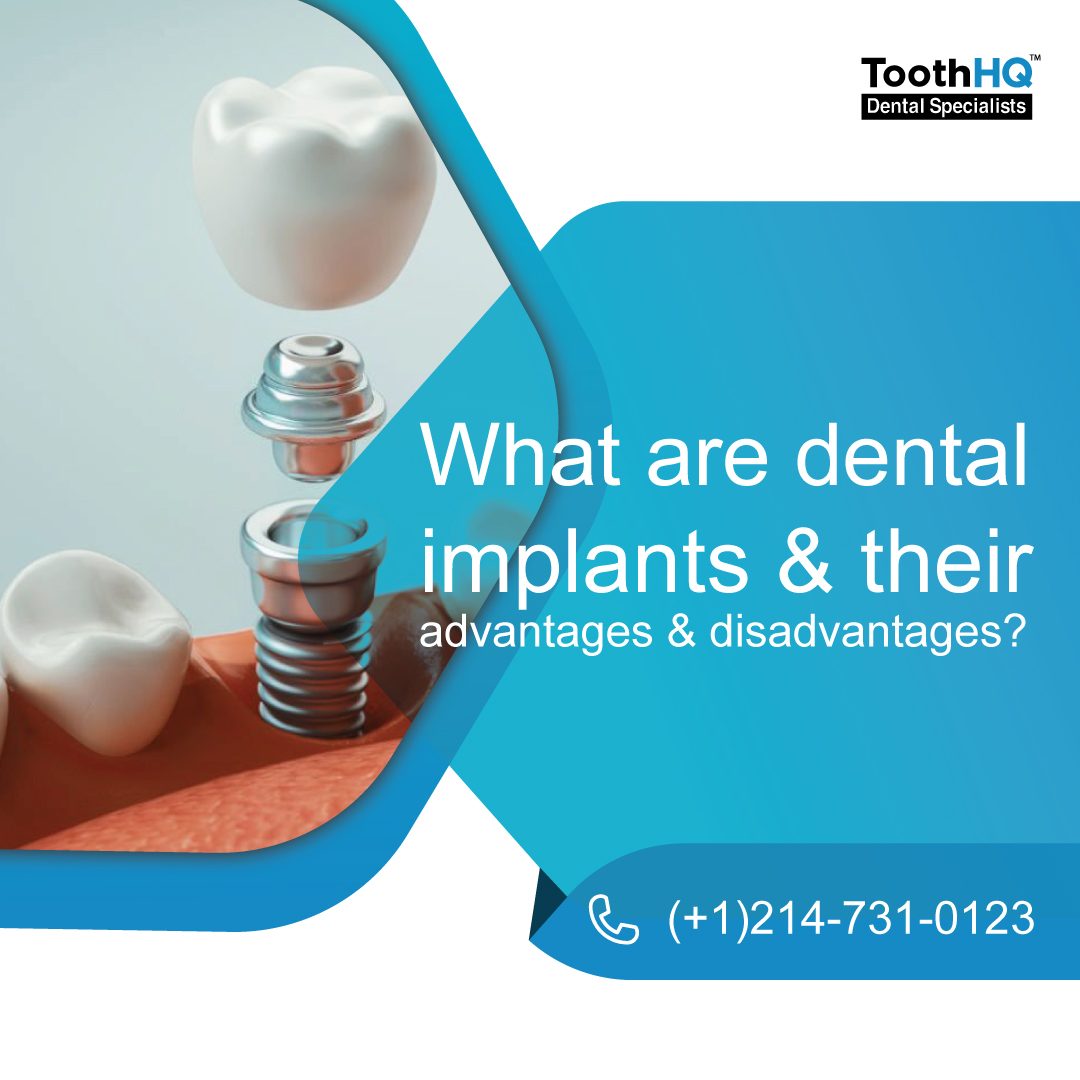
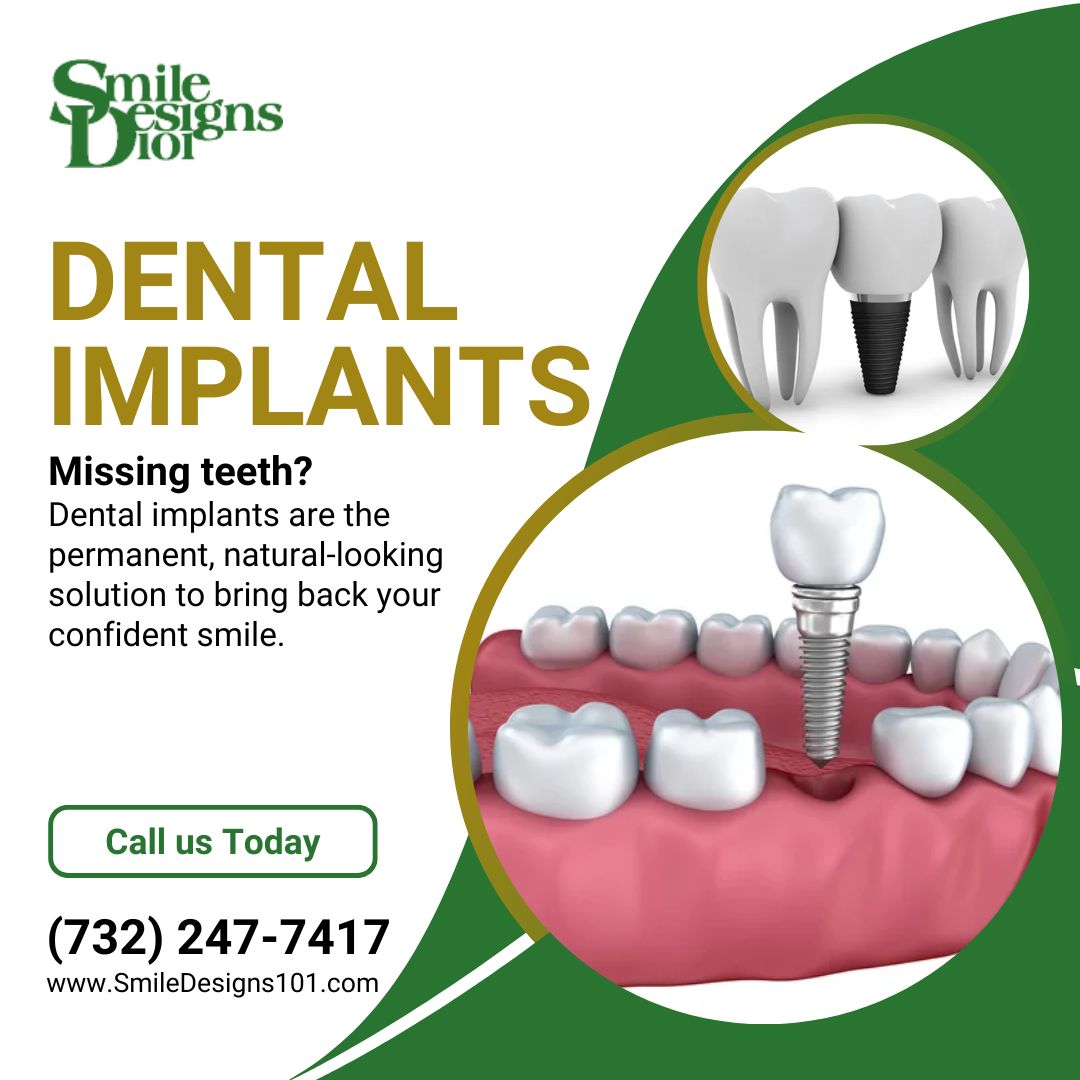
A dental implant is a titanium post surgically placed into the jawbone to serve as an artificial tooth root. After it fuses with the bone, a crown, bridge, or denture is attached to restore your smile. Dental implants offer several advantages over traditional dentures or bridges, including long-term stability, a natural look, and improved oral health.
However, like any medical procedure, there are potential downsides to consider before deciding on implants.
The Main Downsides of Dental Implants
While dental implants are highly effective, they aren’t without risks and limitations. Here are some key downsides to keep in mind:
1. High Cost
Dental implants are generally more expensive than alternatives, such as bridges or dentures. A single tooth implant can cost anywhere from $3,000 to $5,000, while full-mouth implants may exceed $30,000.
For many patients, cost is the first barrier. Although implants are a long-term investment, the upfront expense can be substantial. Clinics often offer financing or payment plans, so it’s worth inquiring about when searching for a dental implant near you.
2. Lengthy Treatment Time
Unlike dentures that can be placed immediately, dental implants require a multi-step process:
1. Initial consultation and planning
2. Surgical placement of the implant
3. Healing period for Osseo integration (3–6 months)
4. Placement of the abutment and crown
This process can take several months, which may not be ideal for people seeking a quick solution. Patience is required to ensure long-term success.
3. Potential for Complications
Though dental implants are generally safe, there are potential complications, including:
• Infection at the implant site – Poor oral hygiene can lead to peri-implantitis.
• Nerve damage – Rare, but possible if the implant is placed too close to a nerve.
• Sinus problems – Implants in the upper jaw may protrude into the sinus cavity.
• Implant failure – Though rare (2–5%), implants can fail if the bone does not integrate properly.
Choosing an experienced dentist and maintaining proper oral hygiene reduces the likelihood of these issues.
4. Invasive Surgical Procedure
Getting a dental implant requires surgery, which carries inherent risks like bleeding, swelling, and pain. Some patients may experience bruising, minor discomfort, or temporary difficulty chewing during the recovery period.
If you have certain health conditions—like uncontrolled diabetes, autoimmune disorders, or poor bone health—your dentist may advise against implants or recommend additional procedures like bone grafting.
5. Not Suitable for Everyone
Dental implants require sufficient jawbone density and healthy gums. Patients with severe bone loss may need grafting before an implant can be placed. Smokers may also face a higher risk of implant failure due to compromised healing.
For some individuals, dentures or bridges may be a safer or more practical option.
6. Maintenance and Care
While dental implants are durable, they require regular maintenance to ensure optimal performance. Patients must:
• Brush and floss regularly
• Attend routine dental check-ups
• Avoid habits like smoking or excessive teeth grinding
Failure to maintain oral hygiene can lead to gum disease, bone loss, or implant failure.
Tips to Minimize the Downsides of Dental Implants
Even with potential drawbacks, dental implants can be a great choice when approached correctly. Here are some tips to reduce the downsides:
1. Choose an experienced dentist – Look for certified implant specialists when searching “dental implant near me.”
2. Maintain good oral hygiene – Brush, floss, and rinse to prevent infection.
3. Follow post-surgery instructions – Adhere strictly to your dentist’s recovery guidelines.
4. Discuss your medical history – Ensure your dentist is aware of any health conditions that may impact your healing.
5. Plan financially – Explore insurance coverage, FSA/HSA accounts, and payment plans to manage costs.
Being proactive can significantly reduce risks and ensure your implant lasts for decades.
Are Dental Implants Worth the Investment?
Despite the downsides, dental implants remain one of the most effective solutions for missing teeth. They offer long-term durability, preserve jawbone health, and restore natural function.
The key is to weigh the benefits against the potential drawbacks and discuss your options with a qualified dentist. Often, the benefits outweigh the disadvantages—especially for patients looking for a permanent, natural-looking solution.
Conclusion
Dental implants are a fantastic way to restore your smile, but they may not be ideal for everyone. Understanding the downsides—including cost, treatment time, surgical risks, and maintenance requirements—helps you make an informed decision.
Call to Action:
Are dental implants right for you? Contact a local dental clinic today for a personalized consultation and learn how to restore your smile safely and effectively.