Group Therapy for Children with Special Needs
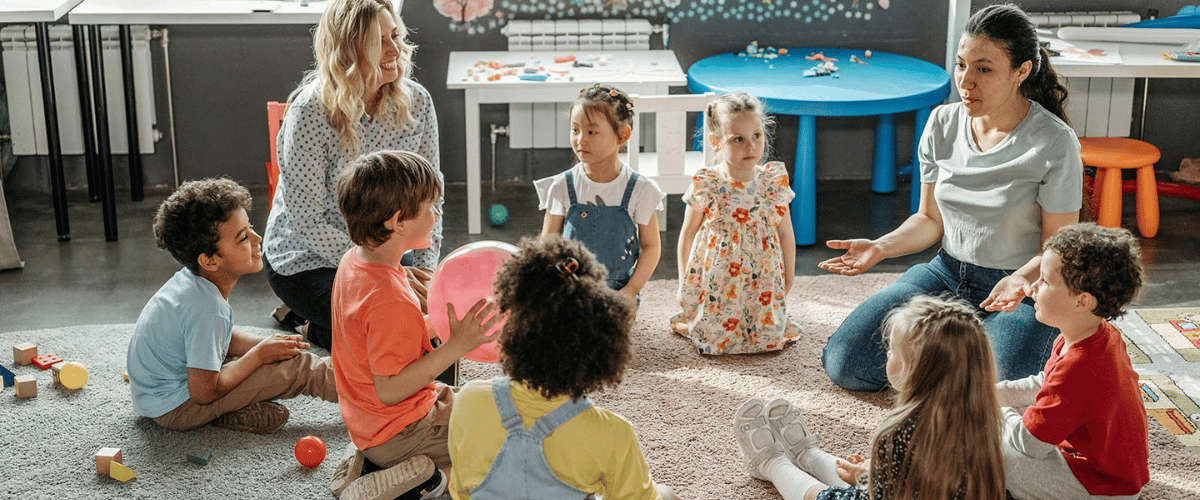
At Neuro Hopes, we run group therapy sessions for children who have autism spectrum disorder (ASD), ADHD, learning challenges, developmental delays, or related needs. These sessions aim to improve social skills, emotional regulation, and communication, in a safe and supportive group setting.
What Makes Our Group Therapy Different / Key Features
Social Skills Development
Children practice things like eye contact, taking turns, listening and responding - skills essential for social interaction.
Emotional Support & Regulation
The group environment helps children learn to express feelings, empathize, and build confidence through peer interactions.
Communication (Verbal & Non-verbal)
Through role-play, storytelling, games, and guided interaction, children build both spoken and unspoken communication skills.
Behavior Modeling & Self-Regulation
Kids observe and learn positive behaviors from peers; with therapist guidance, they can adopt more appropriate responses in everyday situations.
Real-Life Scenario Practice
Children are supported in applying what they learn to real social settings - practicing in the group first, then transitioning to real-life environments (school, playground, home).
For Appointment: https://neurohopes.com/group-therapies/
How the Program Works (Procedure)
Individual Assessment
Each child is first evaluated (by therapists, in consultation with parents, teachers, and other professionals) to understand strengths, challenges, and goals.
Group Formation
Children are placed into groups (usually 3–8 kids) based on their developmental level, diagnosis, and specific therapeutic goals.
Goal Setting
For each child, the team (therapists + parents) defines concrete goals - e.g. improving eye contact, reducing aggression, engaging in cooperative play, better communication.
Session Planning
Therapists design sessions using various modalities: games, art, music, role-play, social stories, etc., centered on themes like friendship, emotional regulation, communication.
Therapist-Facilitated Sessions
Skilled therapists (occupational therapists, speech-language pathologists, psychologists) lead and guide the group activities and interventions.
Parental Involvement
Parents receive feedback after sessions and suggestions/strategies to practice at home, ensuring continuity and generalization of learning.
Progress Monitoring & Adjustment
Regular assessments and reviews track each child's progress, and therapy plans are updated based on results.
Core Components & Therapeutic Tools
Structure & Routine
Sessions are predictable, with visual schedules, so children feel secure and can focus better.
Small Group Size
With only 3–6 (or up to 8) children per group, therapists can give more individualized attention and tailor activities.
Multidisciplinary Expertise
The therapy team includes specialists in sensory integration, emotional/behavioral regulation, occupational performance coaching, and communication skills.
Therapeutic Activities (examples)
Social Stories & Role-Play
Using stories or dramatization to teach responses to everyday events (e.g. "How to ask a friend to play").
Turn-Taking / Cooperative Games
To promote patience, cooperation, and collaborative play.
Emotion Identification & Expression
Using flashcards, drawing, discussion, art to help kids label and express emotions.
Mindfulness / Self-Regulation Exercises
Breathing techniques, gentle yoga, or simple meditation to calm and center attention.
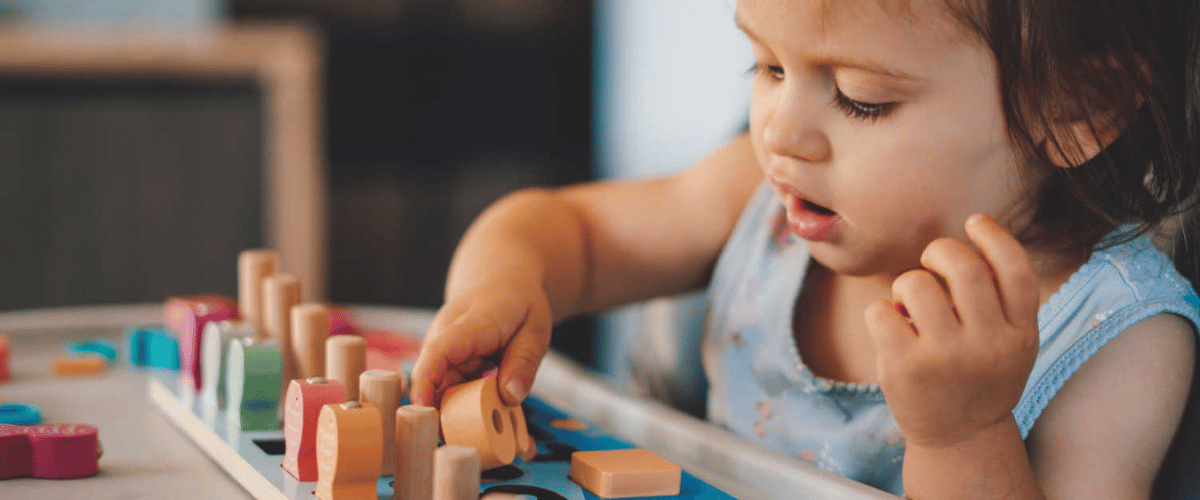
Sensory Activities
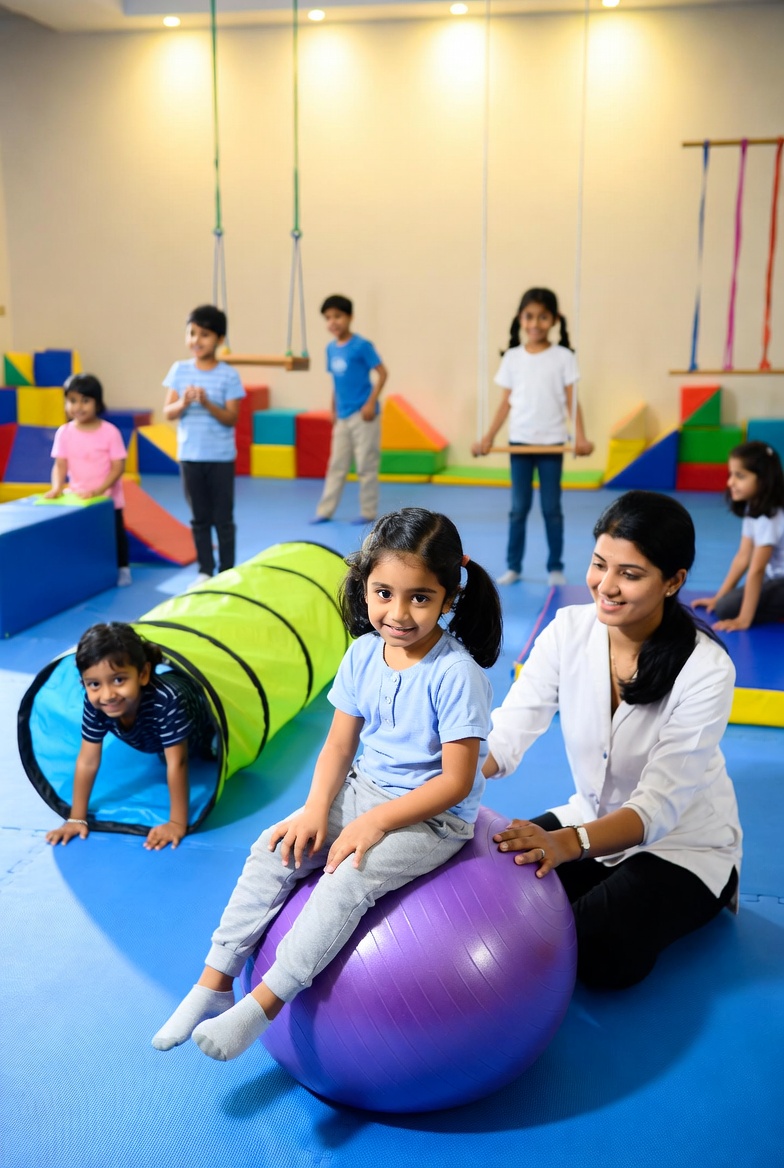
Activities like playing with sand or clay, tactile exploration, balance tasks, swinging, proprioceptive input to help with sensory regulation.
Balance & Coordination Tasks
Games or exercises targeting gross motor control, body awareness, spatial orientation - important for daily tasks, play, and school participation.
Benefits & Outcomes
Children and families may see improvements in:
Social communication skills
Understanding social cues
Reduced social anxiety
More cooperative play with peers
Longer attention span
Better emotional regulation
Positive behavioral development
Stronger peer relationships
Enhanced readiness for classroom and school settings
About Us
At Neuro Hopes, we are dedicated to transforming lives through specialized therapy and intervention for children with developmental, behavioral, and learning challenges. Our center provides a holistic and evidence-based approach to child development, ensuring every child receives the right support to reach their full potential.
Contact us:
Indirapuram, Vasundhara,
Vaishali, Siddharth Vihar,
Mayur Vihar Phase 3,
Noida sector 62, Sahibabad.
Email:neurohopesofficial@gmail.com
Website: https://neurohopes.com