




Building Information Modeling (BIM) has fundamentally changed the architecture, engineering, and construction (AEC) industry. By creating intelligent 3D models, BIM provides a collaborative, data-rich environment that improves project outcomes from conception to completion. As BIM workflows become more complex, many firms are discovering a powerful strategy to enhance their processes: outsourcing architectural drawings.
This approach allows firms to tap into specialized expertise and resources, making their BIM workflows more efficient and cost-effective. This article will explore how outsourcing architectural drawings can seamlessly integrate with and significantly support your BIM strategies, helping you overcome common challenges and achieve better project results.
Understanding the Modern BIM Workflow
A BIM workflow is a holistic process that uses a central, intelligent 3D model to manage information throughout a project's lifecycle. It fosters collaboration among all stakeholders, ensuring everyone works from a single source of truth. This minimizes errors, reduces rework, and improves decision-making.
Key stages of a typical BIM workflow include:
Conceptual Design: Architects and designers create initial models to explore design options and perform preliminary analysis.
Detailed Modeling: The design is developed with greater detail, incorporating structural, mechanical, electrical, and plumbing (MEP) elements. This is often where the bulk of architectural drawing and modeling takes place.
Analysis and Simulation: The model is used to analyze energy performance, structural integrity, and other critical factors before construction begins.
Documentation: Detailed construction documents, including architectural drawings, schedules, and specifications, are generated directly from the BIM model.
Construction and Fabrication: The model guides the construction process, enabling prefabrication of components and improving on-site coordination.
Operations and Maintenance: After construction, the model serves as a comprehensive database for facility management, containing information about every component of the building.
The success of this entire workflow hinges on the accuracy and consistency of the data within the model. This is precisely where outsourcing can make a significant impact.
Key Benefits of Outsourcing Architectural Drawings
Integrating an external team for your architectural drawing needs can provide a substantial boost to your BIM capabilities. Here are some of the primary advantages.
Significant Cost-Effectiveness
One of the most compelling reasons to consider outsourcing architectural drawings is the potential for cost savings. Maintaining a large in-house drafting team involves significant overhead, including salaries, benefits, office space, and expensive software licenses. Outsourcing converts these fixed costs into variable expenses, allowing you to pay only for the services you need on a per-project basis. This model helps reduce labor expenses and eliminates the need for continuous investment in the latest BIM software and hardware.
Access to Specialized Expertise
BIM is a constantly evolving field that requires specialized skills. Outsourcing partners, like Chudasama Outsourcing, maintain teams of highly trained professionals who are experts in various BIM platforms and architectural drafting standards. By partnering with an experienced firm, you gain immediate access to this deep pool of talent without the time and expense of internal recruitment and training. This ensures your project benefits from the latest industry knowledge and best practices.
Enhanced Scalability and Flexibility
Architectural projects often have fluctuating demands. One month you might need a large team to meet a tight deadline, and the next, your workload may be lighter. Outsourcing provides the flexibility to scale your resources up or down as needed. This agility allows your firm to take on larger or more complex projects without the long-term commitment of hiring new staff, ensuring you always have the right amount of support for your current workload.
Improved Efficiency and Productivity
When you outsource time-consuming tasks like drafting and modeling, your in-house team is free to concentrate on core competencies such as client relations, project management, and high-level design. This strategic allocation of resources boosts overall productivity and allows your key personnel to focus on activities that drive business growth and innovation.
How Outsourcing Solves Common BIM Challenges
Despite its benefits, managing a BIM workflow is not without its difficulties. Outsourcing can provide effective solutions to some of the most common hurdles.
Data Interoperability Issues
Different teams often use different software, leading to compatibility problems that can corrupt data. Experienced outsourcing firms work with a wide range of BIM software and have established protocols for ensuring seamless data exchange between platforms, minimizing interoperability issues.
Communication Barriers
When multiple teams are collaborating, clear communication is essential. A professional outsourcing partner will have structured communication protocols in place to ensure all stakeholders are aligned. This includes regular meetings, clear reporting, and the use of collaborative platforms to keep information flowing smoothly.
Quality Control Concerns
Maintaining consistent quality across all project drawings is crucial. Reputable outsourcing firms implement rigorous quality assurance (QA) processes. These often involve multiple layers of review and verification to ensure every drawing meets the required standards for accuracy, completeness, and compliance before it is delivered.
Best Practices for Successful Outsourcing
To get the most out of outsourcing architectural drawings for your BIM projects, it’s important to follow a few best practices:
Define a Clear Scope: Before the project begins, clearly document your requirements, deliverables, deadlines, and standards. This ensures both your team and the outsourcing partner are on the same page.
Establish Strong Communication Channels: Set up regular check-ins and use project management tools to facilitate clear and consistent communication. A single point of contact on both sides can streamline this process.
Implement Rigorous Quality Control: Work with your outsourcing partner to establish a QA plan. This should include a clear process for reviewing and approving drawings to ensure they meet your firm’s standards.
Ensure Data Security: Verify that the outsourcing firm has robust data security measures in place to protect your confidential project information. This includes secure file transfer protocols and non-disclosure agreements.
Elevate Your BIM Workflow
Integrating outsourcing into your BIM strategy is a strategic move that can enhance efficiency, reduce costs, and provide access to specialized skills. By entrusting your architectural drawings to a reliable partner like Chudasama Outsourcing, you can overcome common workflow challenges and free up your internal team to focus on what they do best. This collaborative approach allows you to leverage external expertise to deliver higher-quality projects on time and within budget.
If you are ready to optimize your BIM workflow and take your projects to the next level, explore how outsourcing your architectural drawing services can provide the support you need.
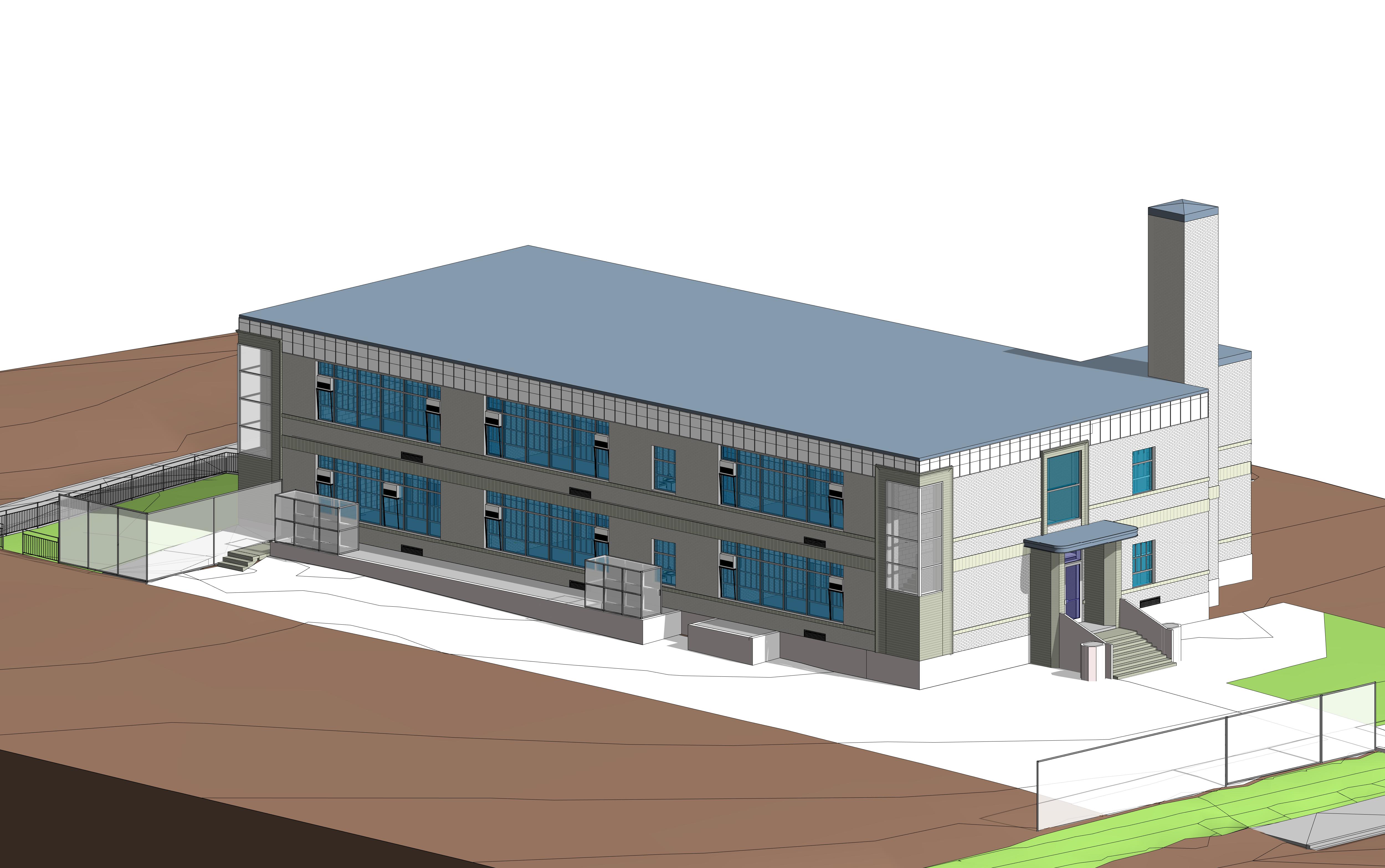
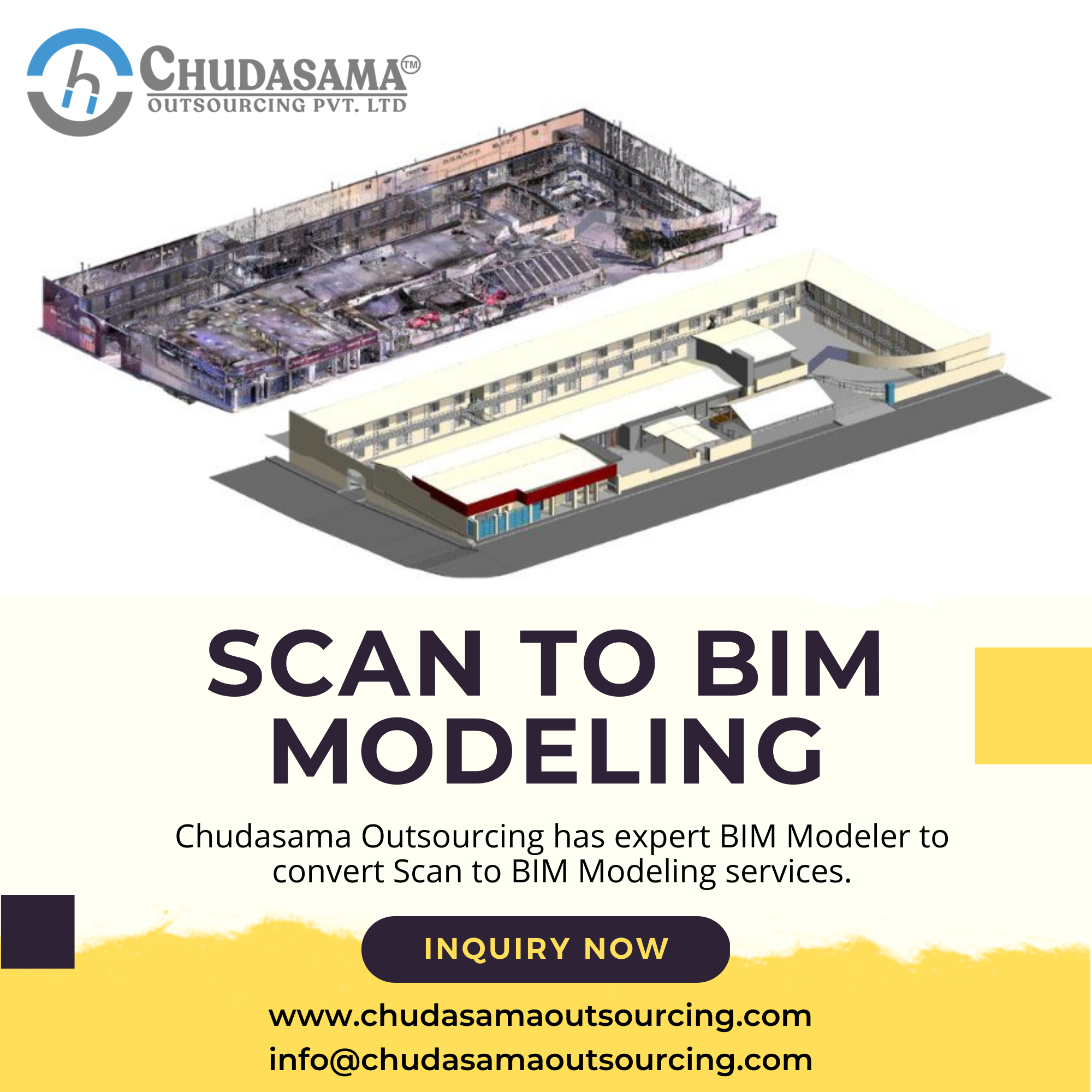
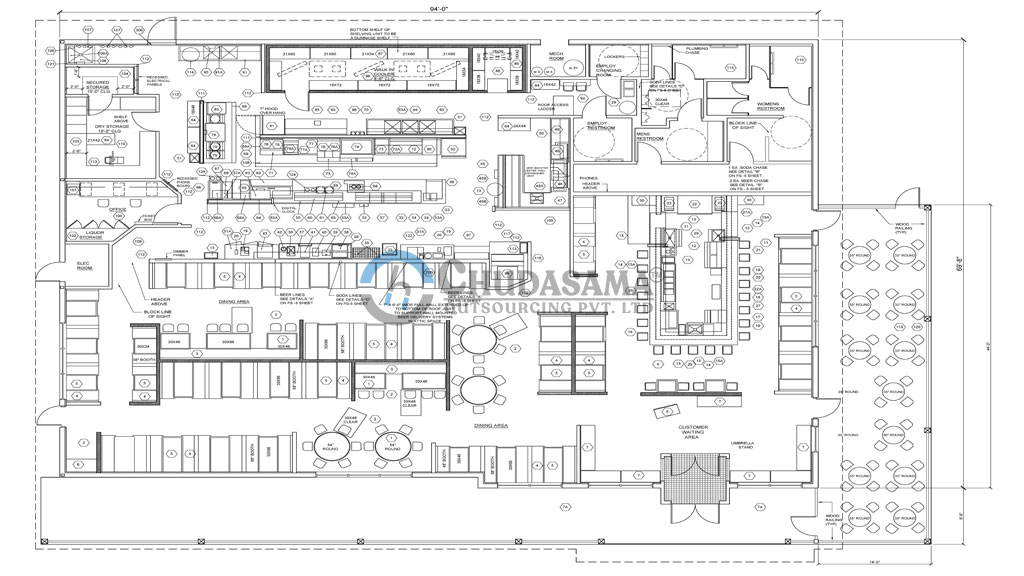

When you require BIM and CAD drawings, it is important to obtain Revit outsourcing.
You may not have the draftsmen that are capable of providing the level of expertise that you require, and there is no need to accept anything less than the best.
Outsourcing can make a lot of sense, and there are several reasons to consider it.
Revit outsourcing has the ability to save you a significant amount of time and money when obtaining the various BIM and CAD services.
After all, there is no need to hire a professional draftsman to your payroll, particularly if you don’t need them on a full-time basis.
A good company is prepared with a portfolio and can provide you with samples of past work.
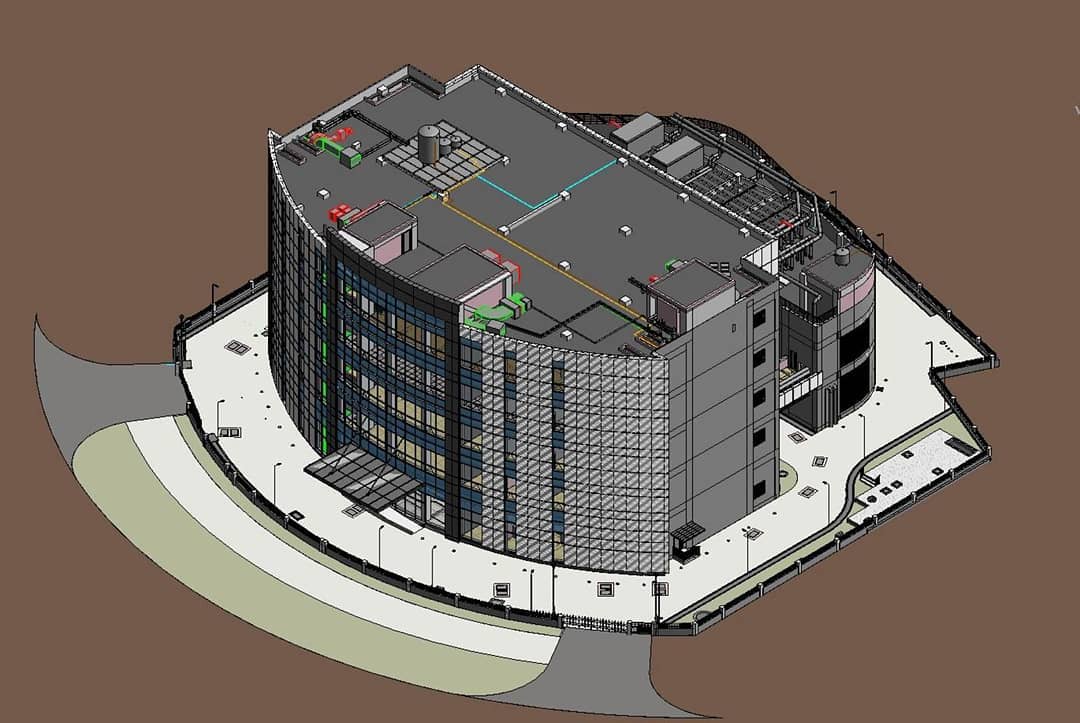
TrueCADD is Professional BIM consulting firm in India. The decade of experience in BIM implementation services and BIM execution planning (BEP) to help construction industry as well as architects, engineers, consultant and engineers for BIM execution plan and BIM modeling in building construction. As we are leading firm of BIM consulting, we aid to our valuable clients with a seamless transition from traditional 2D CAD and paper-based workflows to rapid virtual prototype allowed by effective 3D BIM models using Revit, without a lot of blunt investments.
Our exclusive BIM consulting services embraces
- Offshore BIM Team
- BIM Implementation
- BIM Project Integration
- Coordination among trades
- Clash detection & resolution
- 3D Visualization
- BIM Execution Planning (BEP)
- BIM Training
- Material take-off/ Quantity Estimation
- Model Template creation
- BIM Model Auditing
- BIM Content creation
The final dimensional accuracy of fabricated building components are taken from shop drawings, rather than the design detail and layout drawings prepared by an architect or engineer.https://indbim.com/bim-shop-drawings.html