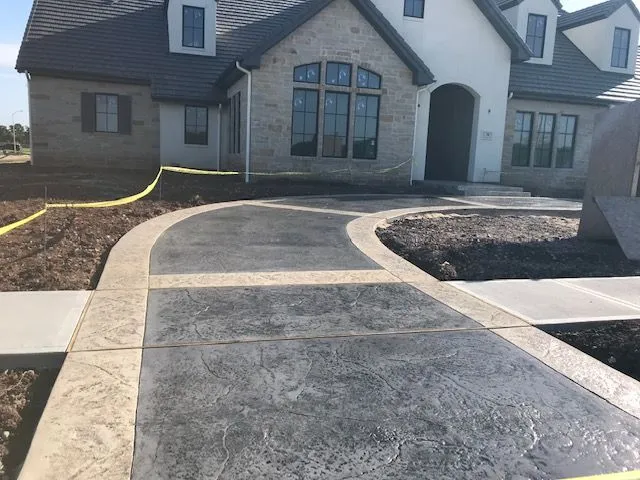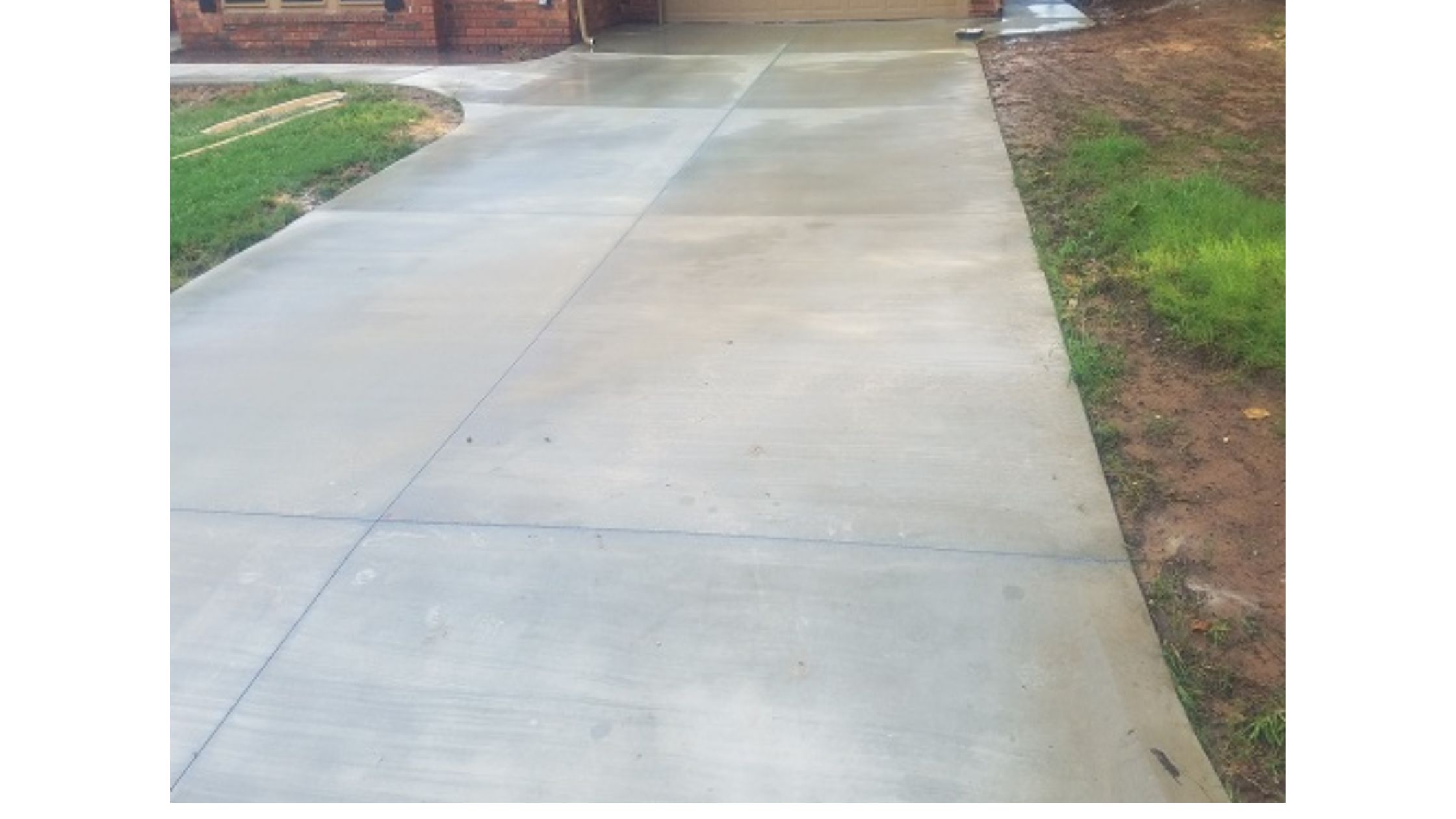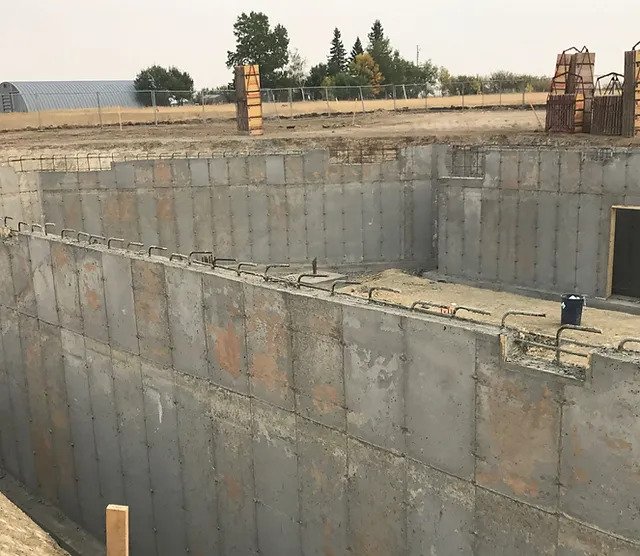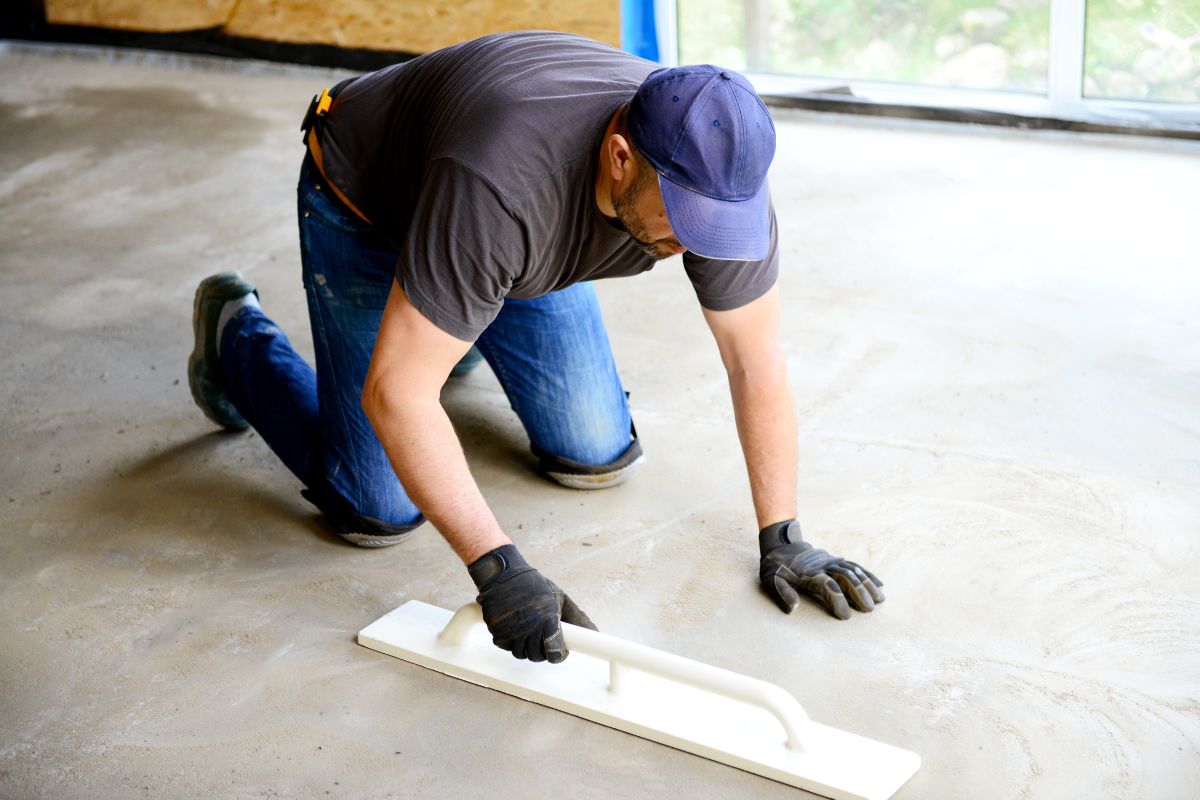
Concrete flooring has quietly moved from industrial warehouses into stylish homes — and it’s not just for minimalist lofts anymore. Today’s concrete floors offer a wide range of looks and performance upgrades: from smooth, reflective polished slabs to warm, textured microcement overlays. Whether you’re renovating a kitchen or designing an open-plan living area, modern concrete solutions deliver durable, results-driven finishes that are both affordable and eye-catching. Below is a complete guide to the trends, benefits, downsides, and how to pick the right residential concrete contractor near me for your project.
Why concrete is trending in homes right now
Concrete’s rise in residential interiors comes from a mix of design and practical advantages. Polished concrete and enhanced overlays are low-maintenance, long-lasting, and adaptable to many styles — from Scandinavian minimalism to warm, modern farmhouse interiors. In 2024–2025 the push toward sustainable and cost-effective materials has accelerated interest in concrete floors because they can often be finished in place (reducing waste) and retain thermal mass for energy efficiency. Experts and industry trend pieces list polished concrete, microcements, and overlays among the most popular flooring choices for modern homes.
Main modern concrete finishes and what they offer
Polished concrete
Polished concrete is ground and polished to a sheen, sometimes sealed for protection. It’s beloved for its sleek, contemporary look and long-term durability. For busy households, polished surfaces are easy to clean and resist wear — a practical, top-rated choice for kitchens, basements, and high-traffic common areas. Long-term cost savings (lower replacement and maintenance costs) are a major draw for homeowners.
Microcement and thin overlays
Microcement is a thin, cement-based coating applied over existing substrates. It gives designers far more control over color and texture than raw concrete while keeping the seamless, modern aesthetic. Microcement is particularly popular when homeowners want a warm, continuous floor that can extend up walls, counters, or shower niches for a cohesive look. Compared with full slab polishing, overlays can be less invasive and more scalable for retrofit projects.
Stained and dyed concrete
Concrete staining or acid dyeing adds depth and color variation that looks similar to natural stone or leather. Stained floors pair beautifully with rugs and wood accents, giving concrete a softer, user-friendly appeal while remaining high-performance and durable.
Textured or matte finishes
High-gloss floors show scratches and water spots more easily. Many homeowners are opting for satin or matte concrete finishes that hide scuffs, offer traction, and feel warmer underfoot — a design-forward yet practical twist on polished surfaces.
Performance coatings: polyaspartic and epoxy
For garages, laundry rooms, and high-moisture spaces, polyaspartic and epoxy topcoats add protection and chemical resistance. These coatings can be used with decorative flakes or metallic pigments for a custom, top-rated look that’s easy to maintain.
Sustainability and materials innovation
Sustainability is a growing priority in flooring choices. Low-carbon concrete mixes, recycled aggregate, and overlays that avoid full slab removal are part of the movement toward greener installs. Choosing materials and contractors who understand these options helps homeowners get an eco-friendlier result without sacrificing design.
Real-world case study (compact and practical)
A family renovation in a mid-sized home replaced dated tile across the kitchen and living room with a satin-finish polished concrete overlay. The homeowner wanted a clean, modern surface that could handle kids and pets and reduce future replacement costs. The local contractor ground the slab, injected hairline cracks with color-matched epoxy, polished to a satin sheen, and finished with a breathable sealer. Result: a durable, low-maintenance floor that made the open living space feel larger and simplified cleaning routines. The project demonstrated how overlays can be affordable and proven solutions for transforming older floors into contemporary, reliable living spaces.
Practical pros and cons — what to weigh
Pros
- Durability: Concrete resists heavy foot traffic, impacts, and stains when properly sealed. This makes it a cost-effective, long-lasting choice for many homeowners.
- Low maintenance: Sweeping and occasional damp-mopping are usually enough; no waxing or strip cycles required.
- Design flexibility: Polishing, staining, microcement, and coatings allow a broad palette of looks — from industrial chic to warm contemporary.
- Energy performance: Concrete’s thermal mass can help stabilize indoor temperatures when used with passive heating or cooling strategies.
Cons
- Hardness: Concrete is unforgiving underfoot and can be uncomfortable to stand on for long periods without rugs or cushioned mats.
- Coldness: Without underfloor heating, concrete can feel cool in colder climates.
- Slipperiness: High-gloss polished concrete can be slippery when wet — consider textured or satin finishes in households with children or older adults.
- Repair considerations: While durable, deep cracks or structural issues require professional repair; hairline cracks are common and often cosmetic.
How to choose the right residential concrete contractor near me
1. Look for experience and photos — Ask to see recent, full-project galleries and case studies. A proven contractor will show before/after photos that match the finish you want.
2. Check references and reviews — Trusted, well-experienced contractors will have verifiable client references and top-rated reviews.
3. Ask about materials and warranties — Reliable installers use industry-leading mixes, sealers, and coatings and offer written guarantees on workmanship.
4. Confirm scope and prep work — Proper prep (grinding, moisture testing, crack repair) drives long-term performance. A contractor who rushes this step is a red flag.
5. Request a detailed estimate — The most affordable bid is not always the best. Look for a results-driven quote that explains materials, labour, and maintenance expectations. Use residential concrete contractor near me when comparing local options and availability.
Design tips to make concrete feel like home
- Warm it up with area rugs, layered textiles, and natural woods.
- Use satin finishes or textured aggregates if you want a forgiving surface that hides wear.
- Pair concrete with warmer color schemes — terracotta, soft woods, and layered lighting make the surface feel inviting.
- Consider radiant in-floor heating under concrete in colder climates to boost comfort and energy efficiency.
Maintenance checklist
- Sweep daily or as needed to remove grit.
- Damp mop with pH-neutral cleaner — avoid acidic products that can harm sealers.
- Reapply topical sealers or refreshers per the manufacturer’s schedule to preserve stain resistance and luster.
- Address deep scratches or chips with a contractor-recommended repair kit or service.
Final thoughts
Concrete flooring today is far more versatile and user-friendly than the cold, warehouse floors many people imagine. With advances like microcement, satin-polish options, sustainable mixes, and protective coatings, concrete is an innovative, scalable, and often affordable flooring choice that suits a wide range of home interiors. If you’re considering a makeover, Intricate Concrete is a trusted residential concrete contractor near me that can bring these modern trends to life, delivering attractive, durable, and long-lasting results for your home.